Physical Address
304 North Cardinal St.
Dorchester Center, MA 02124
Physical Address
304 North Cardinal St.
Dorchester Center, MA 02124

Amplifying African Entrepreneurs voices, one story at a time
Amplifying African Entrepreneurs voices, one story at a time
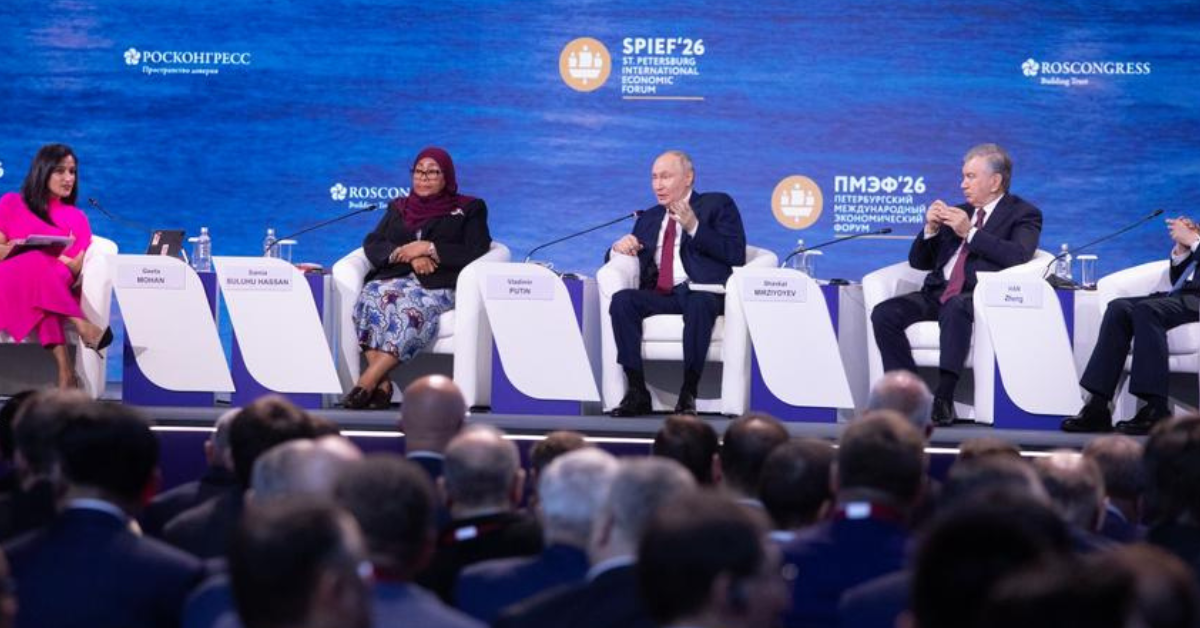
Tanzania has positioned itself as one of Africa’s most attractive destinations for Russian investment, unveiling major opportunities in mining, agriculture, energy, healthcare and logistics as economic ties between the two countries continue to strengthen.
Speaking during the 29th St. Petersburg International Economic Forum (SPIEF 2026), Tanzanian President Samia Suluhu Hassan and Russian Economic Development Minister Maxim Reshetnikov highlighted a growing partnership that has already pushed bilateral trade to record levels.
Reshetnikov described Tanzania as a promising partner for Russian companies, pointing to the country’s stable economic growth, abundant natural resources, young population and investor-friendly legal environment.
According to the Russian minister, trade remains the strongest pillar of cooperation.
Bilateral trade reached a new record in 2025, driven by increased Tanzanian exports of coffee, tobacco, seeds and agricultural products to Russia. More than 60 companies from both countries currently participate in export and import activities.
Russia now wants to expand imports of Tanzanian coffee, avocados, fruits, nuts and tobacco while increasing exports of fertilizers, wheat, sunflower oil and malt to East Africa.
Beyond trade, Reshetnikov revealed plans to deepen cooperation through joint agricultural production projects in Tanzania.
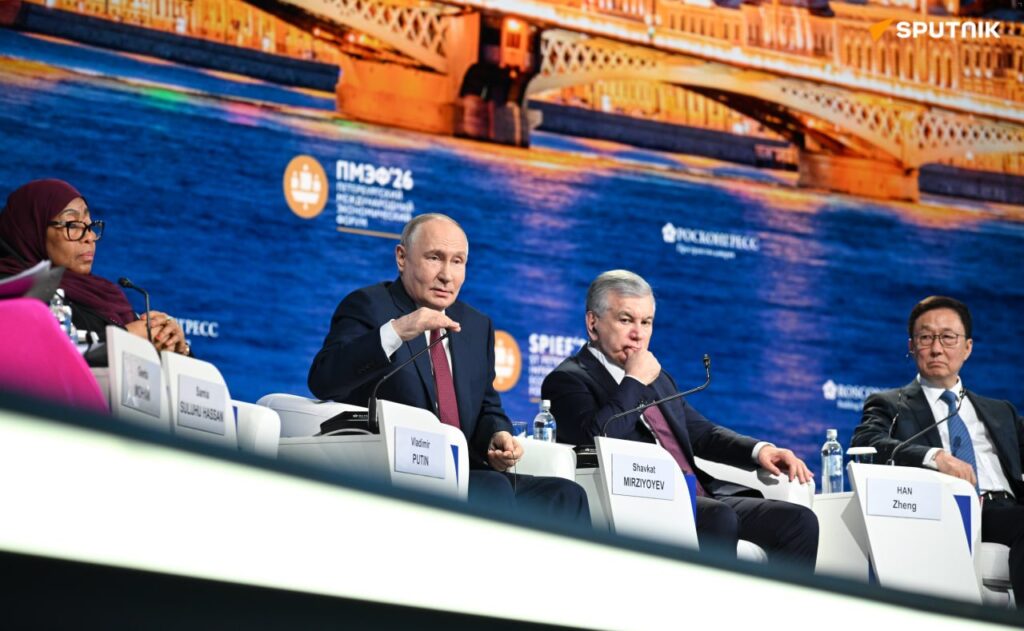
“We are ready to take the next step and propose joint production of agricultural products in Tanzania. We already have projects under implementation, and now it is time to scale them up,” he said.
President Hassan told investors that the timing could not be better for both nations to accelerate economic engagement.
She emphasized that Tanzania offers a secure investment climate supported by political stability, strong economic performance, modern infrastructure and access to a regional market of more than 500 million consumers across East and Southern Africa.
As Tanzania and Russia approach the 65th anniversary of diplomatic relations in December 2026, Hassan described the milestone as evidence of an enduring partnership focused on improving economic opportunities and living standards in both countries.
The Tanzanian leader identified five sectors offering immediate opportunities for Russian investors.
The first is mining. Tanzania possesses significant reserves of gold, uranium, nickel, graphite and several critical minerals that are increasingly important to global industries.
The government is encouraging Russian companies to participate in geological surveys, mineral exploration and the construction of smelters and refining facilities to increase value addition within the country.
Agriculture represents the second major opportunity. Tanzania is undergoing an extensive agricultural transformation and seeks investment in fertilizer manufacturing and modern farming technologies.
Government officials believe the country can become a regional agricultural powerhouse capable of serving hundreds of millions of consumers.
Russian-backed agricultural ventures have already begun operating in Tanzania. Hassan cited banana production projects in the Morogoro region as examples of successful cooperation that could expand into other crops and agribusiness sectors.
Clean energy and natural gas form the third investment pillar. Tanzania is exploring the integration of small modular reactor technology into its long-term energy strategy.
Russian nuclear energy giant Rosatom has shown interest in supporting the initiative while technical discussions continue under international regulatory frameworks.
The government is also seeking investment in oil and gas exploration following the discovery of approximately 57 trillion cubic feet of natural gas reserves.
Officials believe further exploration could unlock significant opportunities for international energy companies.
Healthcare and pharmaceuticals rank fourth among Tanzania’s strategic priorities. The country aims to increase domestic production of pharmaceuticals, medical equipment and vaccines to 60% by 2030.
Authorities are actively encouraging foreign investors to establish manufacturing facilities that can serve both local and regional markets.
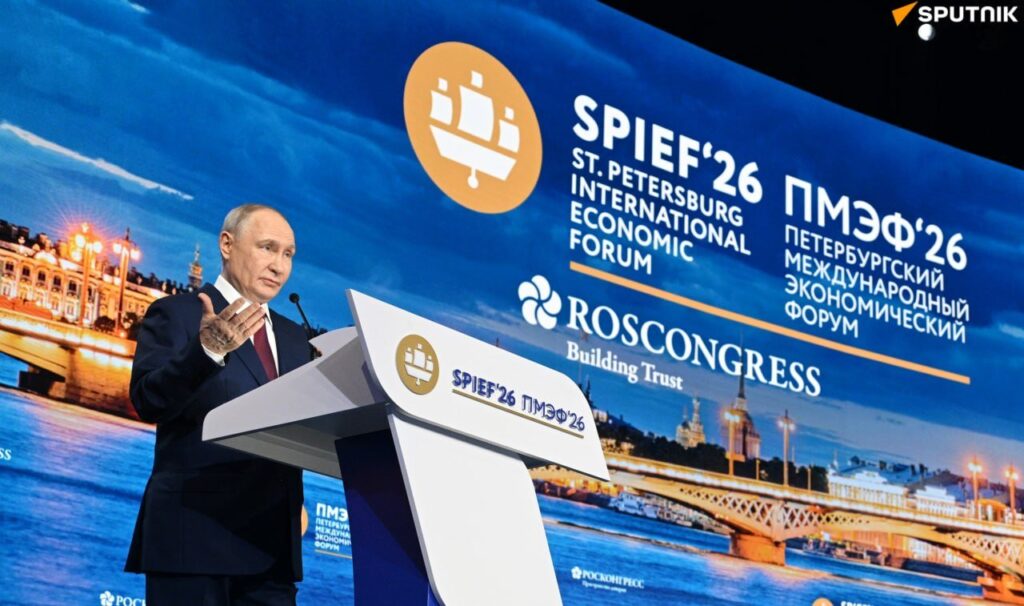
The fifth opportunity centers on transport and logistics infrastructure. Tanzania is inviting Russian enterprises to participate in the development of the Bagamoyo Port and Special Economic Zone, one of the country’s most ambitious infrastructure projects.
The government is also advancing plans for a major transshipment port complex in Zanzibar’s Magapwani area. Feasibility studies have been completed, and authorities are now seeking international partners to help deliver both projects.
Tourism and aviation are expected to receive a significant boost with the launch of direct flights between Tanzania and Russia.
Air Tanzania is scheduled to begin direct services connecting Dar es Salaam, Zanzibar and Moscow on July 2, 2026. Russian carrier Azur Air is also expected to launch direct flights to Zanzibar.
Officials believe the new routes will strengthen tourism, increase business travel and support growing trade flows between the two countries.
Addressing business leaders during the forum, Tanzanian officials stressed that Africa represents one of the world’s fastest-growing economic frontiers and encouraged Russian companies to view Tanzania as a gateway to broader African markets.
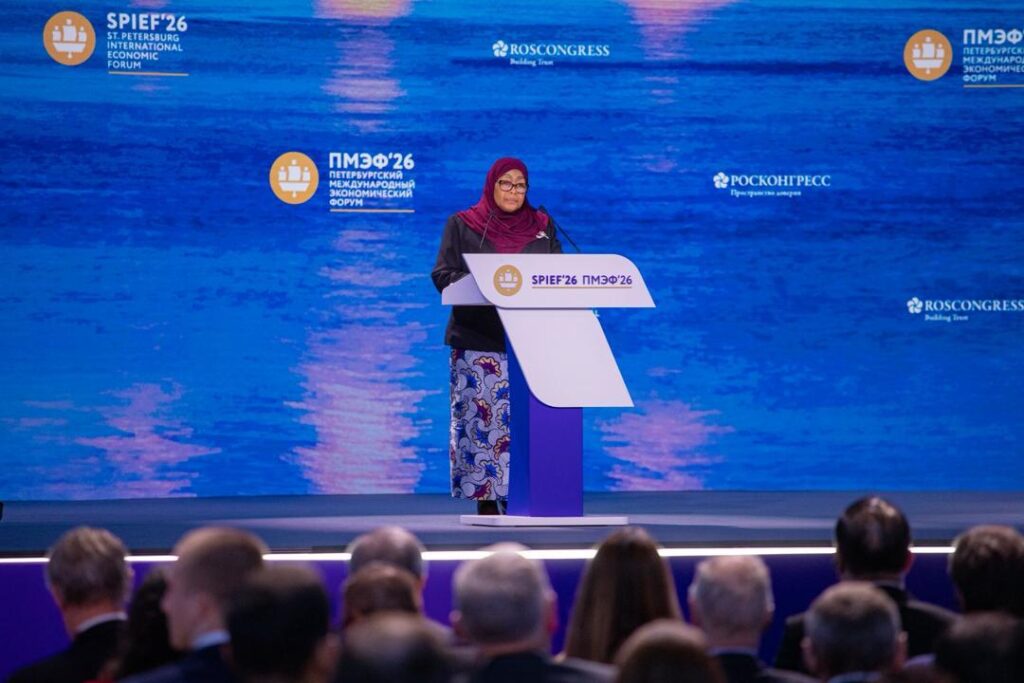
President Hassan also used the platform to emphasize that leadership effectiveness is determined by vision and strategy rather than gender.
“Economy doesn’t depend on gender of the leader. It depends on how you steer the affairs of the nation and how you lead the country. Whether you are male or female, it is the strategic plans that matter,” she said.
The message resonated with investors gathered at SPIEF, where discussions increasingly focused on Africa’s rising role in global trade, investment and industrial development.
With record trade volumes, expanding investment opportunities and new direct air links, Tanzania and Russia appear to be entering a new phase of economic cooperation.
For Tanzania, the partnership could accelerate industrialization and infrastructure development. For Russia, it offers a strategic entry point into one of Africa’s most dynamic and rapidly growing regions.