Physical Address
304 North Cardinal St.
Dorchester Center, MA 02124
Physical Address
304 North Cardinal St.
Dorchester Center, MA 02124

Amplifying African Entrepreneurs voices, one story at a time
Amplifying African Entrepreneurs voices, one story at a time

Africa cannot become a global agricultural powerhouse without first producing more food at home. That was the central message from Wandile Sihlobo, South Africa’s Presidential Envoy on Agriculture and Land, during Standard Bank’s Africa Unlocked Conference in Cape Town.
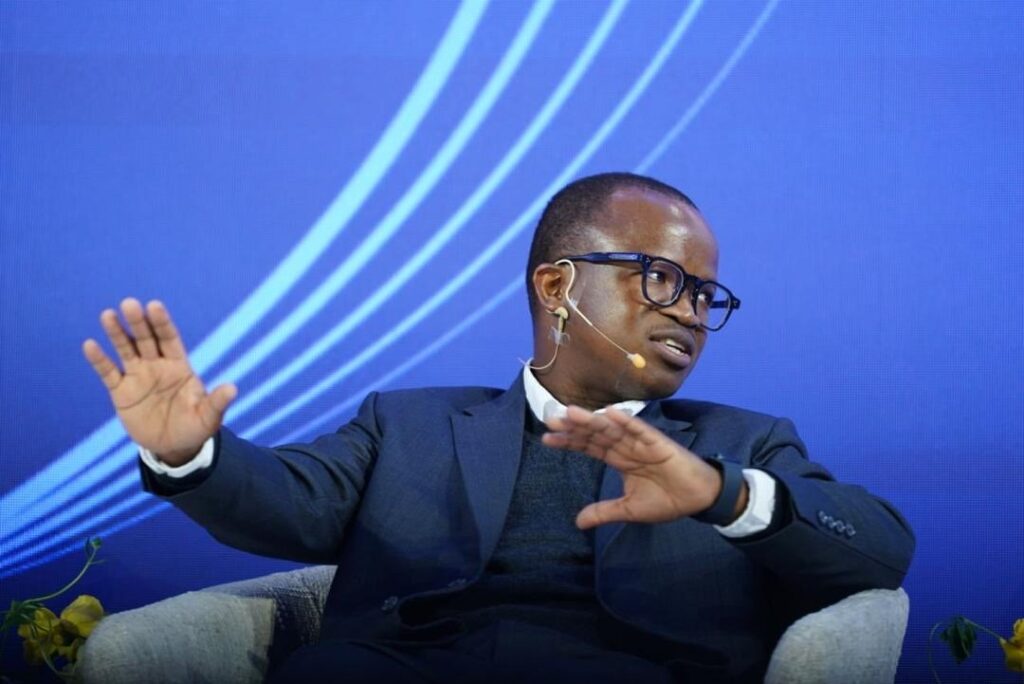
Speaking before business leaders, policymakers and investors, Wandile Sihlobo highlighted that Africa’s long-term food security and export ambitions depend on increasing agricultural productivity, strengthening commercial farming and removing barriers that continue to limit intra-African trade. His message was straightforward: Africa must produce before it can export.
He said South Africa’s experience demonstrates how private sector-led agricultural growth, supported by market-friendly policies and investment, can create a competitive farming sector capable of serving both domestic and international markets. While acknowledging South Africa’s own challenges, including rising crime, deteriorating infrastructure, struggling municipalities, congested ports and slow land reform, he said the country’s agricultural development still provides valuable lessons for governments across the continent.
According to him, one of Africa’s biggest priorities should be giving farmers and agribusinesses secure land rights through title deeds or tradable long-term leases. Greater land security, he noted, gives investors confidence, improves access to finance and encourages long-term investment in agriculture.
He also highlighted infrastructure as a critical enabler of agricultural growth. Better roads, storage facilities, logistics networks and ports would strengthen value chains, reduce post-harvest losses and improve the movement of agricultural goods across African markets.
Technology, he said, will be equally important.
Wandile Sihlobo urged African governments to accelerate the adoption of improved seed varieties, modern genetics and advanced agrochemicals that have already helped increase productivity in countries such as South Africa.
Instead of slowing innovation through lengthy regulatory processes, he encouraged policymakers to harmonize agricultural standards and make proven technologies more accessible across the continent.
Trade policy was another major concern.
Despite the launch of the African Continental Free Trade Area (AfCFTA), Sihlobo said non-tariff barriers continue to undermine regional commerce.
South African producers, he explained, still face unpredictable border closures and regulatory restrictions when exporting vegetables to neighboring Botswana and Namibia. Even moving surplus maize into East African markets such as Kenya remains difficult because of inconsistent standards and regulatory hurdles.
These obstacles, he warned, discourage investment and prevent African countries from fully benefiting from regional trade opportunities. Wandile Sihlobo believes Africa’s solution lies not only in reducing tariffs but also in sharing agricultural technology, research, expertise and production capacity across regions. He warned that agricultural production remains concentrated in a handful of regions, including South Africa in the south, Kenya in East Africa and parts of North Africa creating supply imbalances that contribute to recurring trade disputes.
Expanding production across more countries would create stronger regional food systems while reducing dependence on imports. The urgency is significant. Africa spends approximately $117 billion every year importing food, despite possessing around 60% of the world’s uncultivated arable land.
According to Wandile Sihlobo, reducing that import bill begins with boosting farm productivity before expanding agro-processing, manufacturing and exports. He explained that governments must strike a balance between supporting smallholder farmers and creating an environment where commercial agriculture can scale without unnecessary regulatory constraints.
Commercial farming, he said, is essential because it supplies raw materials for agro-processing industries that create jobs, increase exports and generate higher-value products across agricultural value chains. Rather than pursuing food security through protectionist policies and periodic border closures, Sihlobo advocated for food security through greater regional trade.
Wandile Sihlobo also pointed to the COVID-19 pandemic as an example of how export restrictions on staples such as wheat and rice intensified global food supply disruptions instead of protecting consumers. Greater openness, supported by stronger domestic production, would make African food systems more resilient.

Looking ahead, he identified animal feed and vegetable oil processing as two industries with significant growth potential.
Countries including Zambia, Malawi and Kenya already possess processing capacity, he said, but production at farm level remains too low to fully utilize existing infrastructure.
Unlocking that potential will require governments to modernize seed registration systems, improve land governance and encourage wider adoption of agricultural technologies.
Beyond regional markets, Wandile Sihlobo also called for faster expansion into global export destinations. He noted that South Africa currently has fewer than ten free trade agreements and should accelerate efforts to diversify export markets as geopolitical tensions reshape global trade.
China alone imports more than $200 billion worth of food annually, presenting opportunities for African exporters capable of meeting international demand.
Ultimately, Wandile Sihlobo believes Africa’s agricultural future depends on embracing innovation, not only in digital technologies such as artificial intelligence but also in biological sciences that improve crop yields, livestock genetics and food production. His vision is stronger productivity fuels agro-processing, regional trade replaces costly food imports and African agriculture becomes a global engine for economic growth.