Physical Address
304 North Cardinal St.
Dorchester Center, MA 02124
Physical Address
304 North Cardinal St.
Dorchester Center, MA 02124

Amplifying African Entrepreneurs voices, one story at a time
Amplifying African Entrepreneurs voices, one story at a time
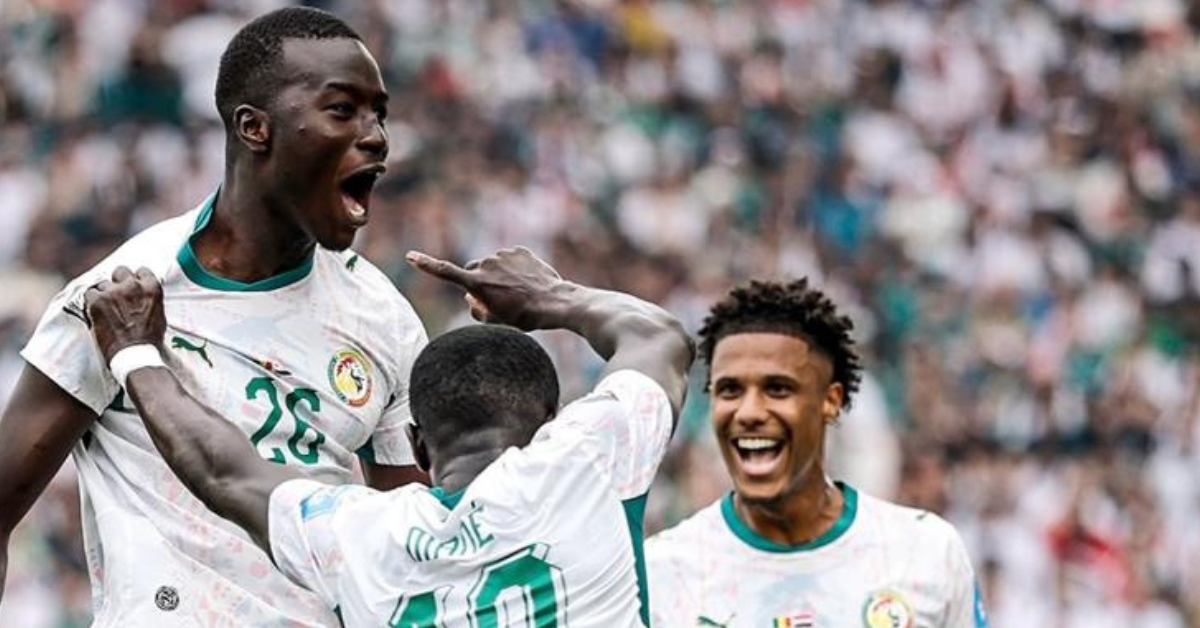
For decades, African football has produced some of the world’s greatest players. However, the continent often struggled to translate that talent into consistent success on the biggest international stage. That story is changing.
Africa is enjoying one of its strongest FIFA World Cup campaigns in history. For the first time, the continent has sent 10 nations to the tournament, marking a milestone that reflects years of investment, development, and belief.
Even more impressive, African teams are not simply making up the numbers. They are competing with football’s traditional giants and proving they belong among the world’s elite.
The results tell the story.
Morocco earned an impressive draw against Brazil, one of football’s greatest powerhouses. Cabo Verde matched Spain with a determined performance. Côte d’Ivoire defeated Ecuador in one of the tournament’s biggest surprises. Congo also secured a valuable draw against Portugal, showing remarkable discipline against one of Europe’s strongest sides.
Those performances are changing global perceptions of African football.
The continent currently boasts seven nations in the Round of 32—Cape Verde, Senegal, Egypt, South Africa, Côte d’Ivoire, Morocco, and Ghana. That means approximately 22% of the knockout-stage teams come from Africa, highlighting the continent’s growing influence on the world game.
This remarkable rise did not happen overnight.
Football legend Clarence Seedorf has long argued that Africa’s breakthrough was only a matter of time. According to him, African teams never lost the creativity that has always defined their football. Instead, they added tactical discipline, stronger coaching structures, and better player development.
That combination is proving powerful.
Across the continent, football academies now produce technically gifted players with a deeper understanding of modern tactics. Experienced former internationals are also returning home to strengthen coaching systems, mentor young talent, and help national federations build sustainable football programs.
As a result, African football is becoming more organized without sacrificing its flair.
Another important shift is confidence.
Rather than relying almost exclusively on foreign managers, many federations increasingly trust local coaches who understand the culture, players, and football identity of their nations. That belief is helping build stronger national programs while creating a clear long-term vision.
Consequently, African teams now enter major tournaments expecting to compete instead of simply hoping to participate.
The progress extends beyond individual matches. It reflects years of investment in grassroots football, coaching education, sports science, and youth development. Those improvements are creating a stronger pipeline of talent capable of competing with the world’s best.
The question is no longer whether Africa belongs at football’s biggest tournament.
It clearly does.
The bigger question now is whether an African nation can lift the FIFA World Cup trophy.
Many experts believe that moment is inevitable.
Whether history is made this summer remains uncertain. Football always delivers surprises, and every knockout match presents a new challenge. Nevertheless, Africa has already achieved something significant. The continent has demonstrated that its football evolution is real, sustainable, and impossible to ignore.
The global balance of football is shifting.
Africa is no longer an emerging force. It has become one of the game’s most exciting and competitive regions, and the dream of seeing an African nation crowned world champion has never looked more realistic.
For football fans around the world, this may be remembered as the tournament where Africa announced that it had truly arrived.