Physical Address
304 North Cardinal St.
Dorchester Center, MA 02124
Physical Address
304 North Cardinal St.
Dorchester Center, MA 02124

Amplifying African Entrepreneurs voices, one story at a time
Amplifying African Entrepreneurs voices, one story at a time
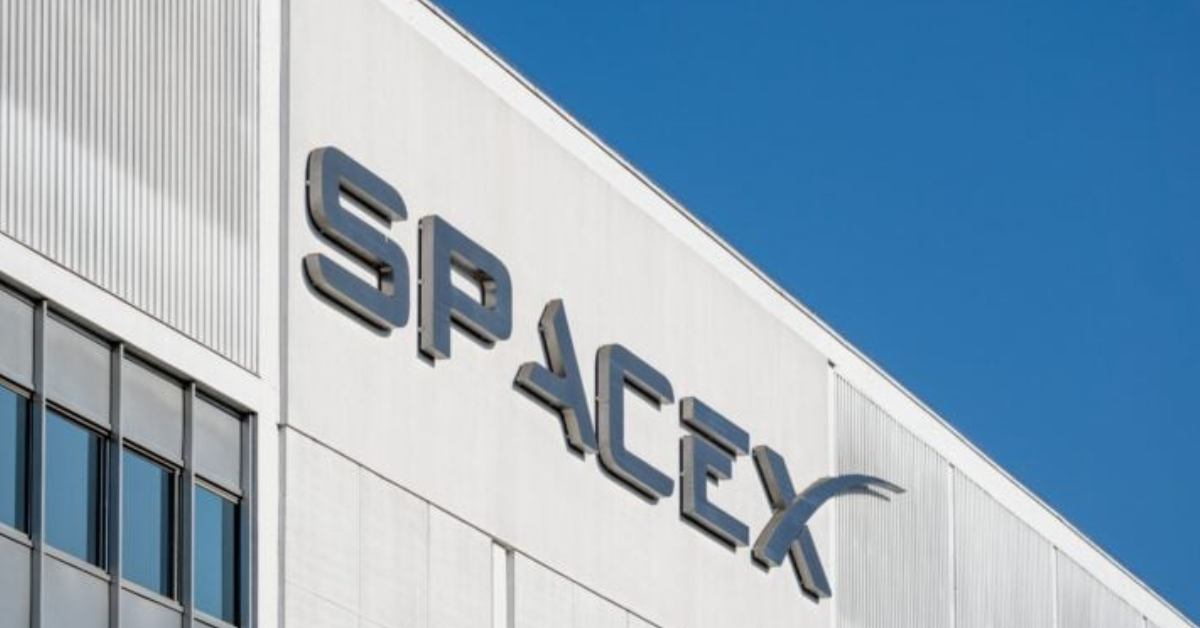
SpaceX, OpenAI, and Anthropic are driving what analysts now describe as the biggest initial public offering wave in modern financial history, even though none of them are profitable. Together, they could add about $3 trillion in value to U.S. equity markets, according to LPL Financial estimates.
Investors are watching closely because this moment feels different. These companies already command massive private valuations, yet they have not proven long-term profitability in public markets. SpaceX alone is reportedly targeting a valuation of around $1.75 trillion, while OpenAI is approaching $1 trillion. Anthropic recently reached about $380 billion in private funding rounds.
However, the financial picture remains challenging. SpaceX reportedly posted nearly $5 billion in losses on $18.6 billion in revenue last year. Meanwhile, OpenAI and Anthropic continue to burn cash as they scale artificial intelligence systems globally.
Even so, investor excitement continues to build. The AI revolution has created strong demand for companies linked to future technologies like ChatGPT, Claude, and Starlink. Many investors believe early dominance could translate into long-term market control.
Still, market experts warn that valuation alone will not be enough. Analysts stress that profitability will become the real test once these firms enter public trading. Without earnings, they may struggle to sustain long-term investor confidence.
At the same time, the U.S. stock market already shows extreme concentration. The “Magnificent Seven” tech giants now account for roughly one-third of the S&P 500 index weight, driven by years of strong earnings growth. That dominance has reshaped global equity flows and pushed passive investing into a handful of mega-cap stocks.
Index rules also matter. S&P Dow Jones Indices requires consistent profitability before a company can join the S&P 500. That means even if SpaceX, OpenAI, or Anthropic go public, they may wait years before joining major indexes. Without that inclusion, they would miss billions in automatic fund inflows.
Nasdaq, however, has started adjusting its framework to allow faster entry for large companies into the Nasdaq-100. This shift could accelerate early-stage exposure for mega IPOs, even before profitability stabilizes.
Despite optimism, analysts caution that history shows winners in early tech waves do not always dominate long-term markets. Diversification remains critical, especially during periods of aggressive valuation growth.
As the IPO pipeline builds, global markets are preparing for a defining moment. If SpaceX, OpenAI, and Anthropic go public at expected valuations, they could reshape not just technology investing, but the entire structure of modern equity markets.