Physical Address
304 North Cardinal St.
Dorchester Center, MA 02124
Physical Address
304 North Cardinal St.
Dorchester Center, MA 02124

Amplifying African Entrepreneurs voices, one story at a time
Amplifying African Entrepreneurs voices, one story at a time
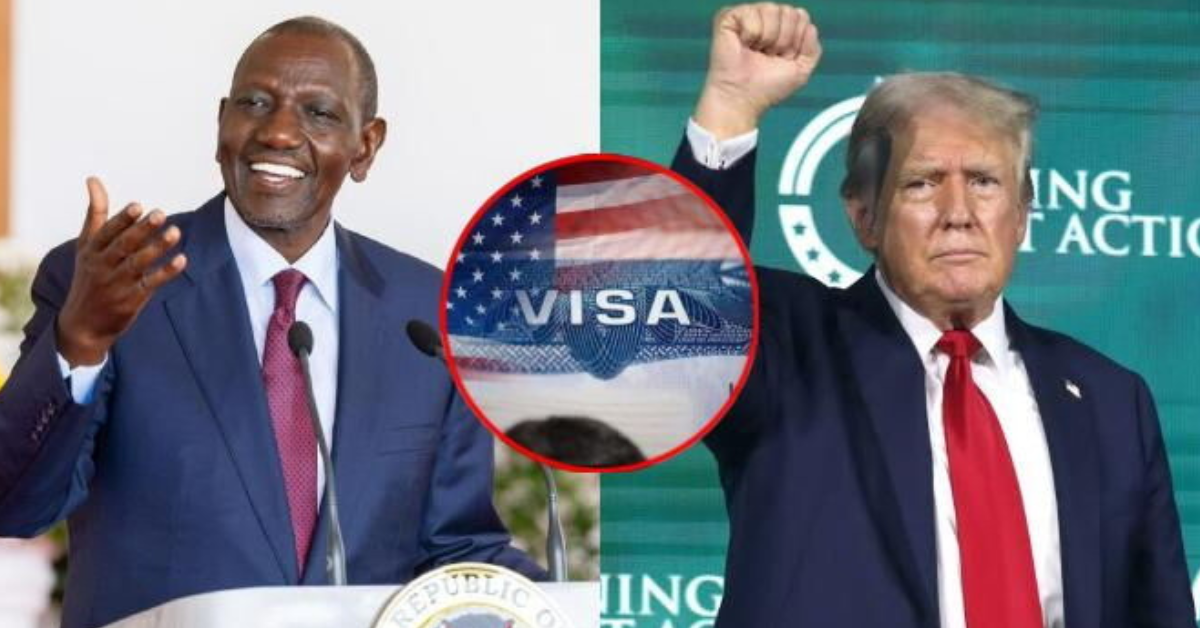
Kenya and the United States have launched a significant new offensive against illegal fishing, introducing visa restrictions for foreign nationals linked to illicit fishing operations while unveiling a major maritime security investment worth $96 million.
The agreement emerged during the 11th Our Ocean Conference held in Mombasa from June 16 to June 18, where policymakers, conservation leaders, and international stakeholders gathered to address growing threats facing the world’s oceans.
The partnership represents a major shift in global efforts to combat Illegal, Unreported and Unregulated (IUU) fishing, a practice that continues to undermine marine ecosystems, threaten food security, and cost the global economy billions of dollars annually.
According to the U.S. Department of State, the initiative marks the first time the United States has used visa restrictions specifically to target foreign nationals involved in IUU fishing activities. The measures will apply to individuals found responsible for, complicit in, facilitating, or benefiting from illegal fishing operations and related activities.
The move signals a stronger international response to a problem that has expanded rapidly across major fishing regions worldwide. By restricting travel privileges, both governments hope to increase accountability and discourage the networks that profit from exploiting marine resources outside legal frameworks.
Alongside the visa restrictions, the United States announced a maritime security commitment valued at approximately KSh12.4 billion ($96 million). The funding aims to strengthen maritime surveillance, improve fisheries governance, and support responsible fishing practices across affected regions.
A substantial portion of the investment will focus directly on combating IUU fishing. More than KSh6.7 billion has been earmarked for initiatives designed to tackle illegal fishing activities across major ocean basins where enforcement challenges remain significant.
The agreement arrives at a time when concerns over illegal fishing fleets have intensified globally. Several countries have faced scrutiny in international marine reports over allegations involving distant-water fishing operations, weak vessel oversight, and practices that undermine sustainable fisheries management.
Experts warn that illegal fishing extends far beyond the unauthorized harvesting of fish. Many operators enter protected waters without licenses, use prohibited equipment, exceed catch limits, and conceal their activities from regulators. As a result, governments struggle to monitor fish populations accurately and implement effective conservation measures.
Unreported fishing presents another challenge. Operators often provide inaccurate information about the quantity, species, or location of their catches. Consequently, fisheries managers lose access to critical data needed to maintain healthy fish stocks and protect vulnerable ecosystems.
Unregulated fishing further complicates enforcement efforts. Some vessels operate under so-called “flags of convenience” or exploit gaps in international oversight, enabling them to fish in areas where monitoring remains limited or nonexistent.
The economic consequences are equally severe. Coastal communities that depend on fishing for employment, food, and local commerce often bear the greatest burden when fish populations decline. Reduced catches can increase food prices, weaken livelihoods, and create long-term economic instability in vulnerable regions.
The United Nations Food and Agriculture Organization has repeatedly warned that IUU fishing costs the global economy tens of billions of dollars every year. Environmental groups also point to the practice as a major driver of biodiversity loss and ecosystem degradation in marine environments.
For Kenya, the agreement reinforces its growing role in international ocean governance and marine conservation. Hosting the Our Ocean Conference provided an opportunity for the country to showcase its commitment to sustainable fisheries and maritime security while strengthening cooperation with global partners.
As governments continue to confront rising pressure on ocean resources, the Kenya-U.S. partnership may become a model for future international efforts aimed at disrupting illegal fishing networks and protecting the long-term health of the world’s oceans.