Physical Address
304 North Cardinal St.
Dorchester Center, MA 02124
Physical Address
304 North Cardinal St.
Dorchester Center, MA 02124

Amplifying African Entrepreneurs voices, one story at a time
Amplifying African Entrepreneurs voices, one story at a time
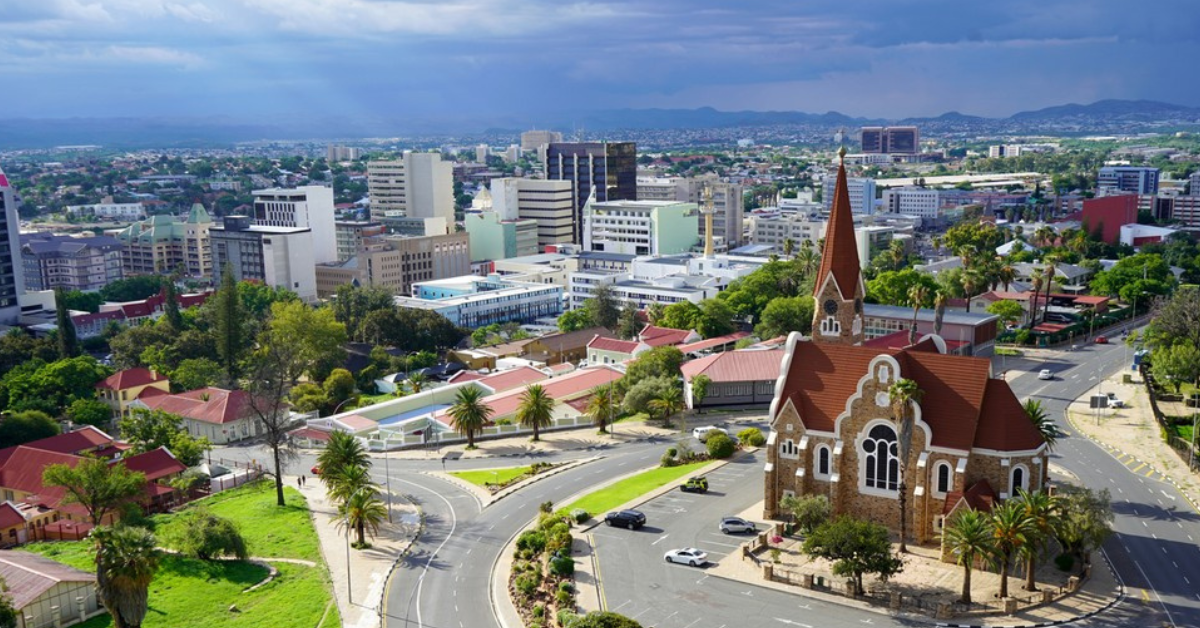
Namibia has moved to close its digital divide with a fresh $2.3 million investment aimed at expanding rural telecommunications and boosting national internet access. The initiative signals a stronger push to lift connectivity levels above 50% and reach an ambitious 90% penetration target by 2030.
Authorities in Namibia confirmed that the funding, valued at about N$42.1 million, will support underserved regions where private telecom investment has remained limited. The programme falls under Phase II of the Universal Service Fund, managed by the Communications Regulatory Authority of Namibia, and focuses on extending network infrastructure to remote communities.
The funding will be shared between key telecom operators. Mobile Telecommunications Company Namibia will receive roughly $1.8 million to scale its network footprint. Meanwhile, Telecom Namibia will secure about $540,000 to expand services across remote regions such as Karas, Kavango West, Kunene, Ohangwena and Oshikoto.
Officials say the strategy directly targets long-standing structural gaps in digital access. While urban centres like Windhoek enjoy relatively stable broadband connectivity, many rural communities still face limited or unreliable access. As a result, economic participation and digital inclusion have remained uneven across the country.
The government expects the investment to deliver more than just infrastructure. It will connect at least 15 public institutions, including schools and healthcare facilities, which currently struggle with limited digital access. Improved connectivity should strengthen e-learning systems, enhance digital healthcare delivery, and open online market opportunities for small businesses in rural areas.
In addition, the plan includes up to seven years of free internet access for selected schools and clinics. This approach ensures that new infrastructure translates into measurable social impact, rather than remaining underutilised.
Namibia’s digital expansion aligns with broader national development goals that prioritise inclusive growth through technology. By strengthening rural connectivity, the country aims to unlock economic potential, improve public services, and position itself more competitively in Africa’s digital economy.