Physical Address
304 North Cardinal St.
Dorchester Center, MA 02124
Physical Address
304 North Cardinal St.
Dorchester Center, MA 02124

Amplifying African Entrepreneurs voices, one story at a time
Amplifying African Entrepreneurs voices, one story at a time
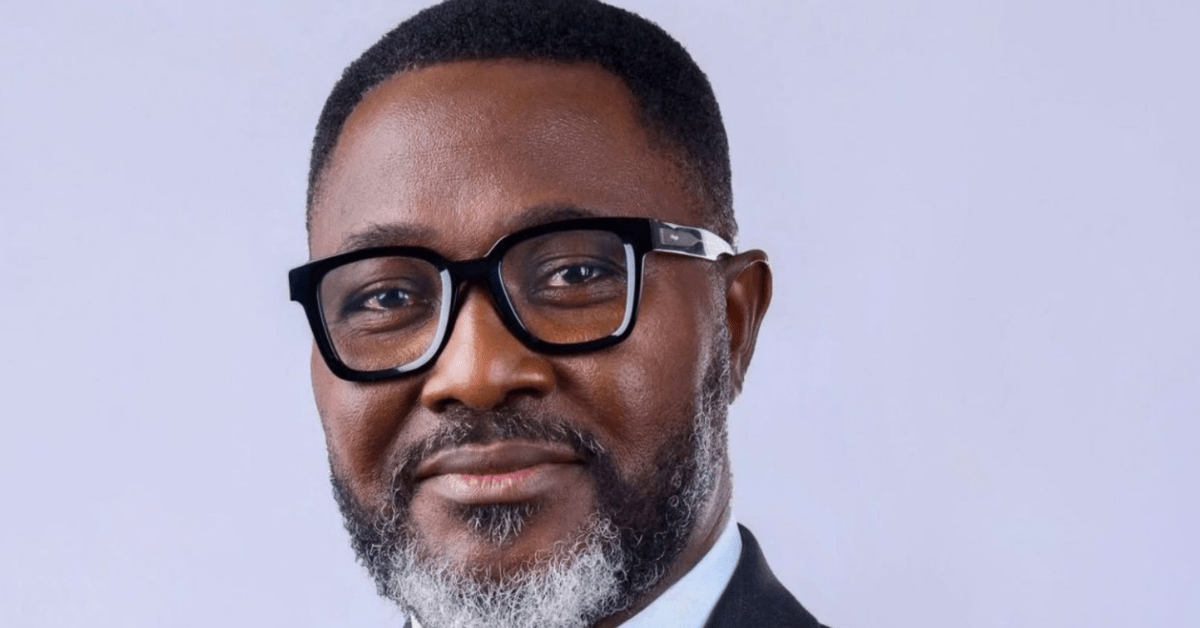
Africa’s energy paradox continues to deepen as the continent sits on enormous natural wealth but still struggles to power homes, industries, and essential services. Across regions, experts argue that the real crisis is not a lack of resources but weak governance systems that fail to translate potential into reliable electricity and economic growth.
Africa boasts some of the world’s strongest solar radiation, vast wind corridors, significant hydropower capacity, and abundant natural gas reserves. However, millions of households remain without electricity. At the same time, businesses rely heavily on diesel generators, while hospitals continue to ration power. This contradiction highlights a deeper institutional challenge rather than a geological limitation.
Governance plays a decisive role in determining whether energy projects succeed or collapse. When policies remain unstable, investors hesitate. When contracts face disputes, projects stall. Conversely, when regulatory systems stay predictable and transparent, energy investments move forward more efficiently. As a result, governance becomes the foundation for turning resources into real economic value.
Across Africa, countries that prioritise institutional discipline continue to show measurable progress. For instance, nations that maintain transparent procurement processes often attract lower-cost financing. In addition, independent regulatory bodies help boost investor confidence, which strengthens long-term project viability. These patterns demonstrate that governance, rather than ideology, drives sustainable energy development.
Moreover, Africa’s transition differs from that of developed economies. While many regions shift from energy abundance to cleaner systems, Africa still grapples with energy scarcity. Therefore, a fair transition must first guarantee access, affordability, and reliability before aggressively pursuing climate targets. Without this balance, development risks being sidelined.
Private capital remains critical in closing Africa’s energy gap. Public funding alone cannot meet the scale of investment required. However, investors consistently seek stable environments where risks are manageable. Strong governance frameworks therefore act as a magnet for capital, ensuring that projects survive political and economic uncertainties.
At the same time, energy experts emphasise the importance of maintaining a balanced energy mix. Renewable energy must expand rapidly to improve access. Meanwhile, natural gas continues to stabilise national grids and support industrial growth. Oil revenues, when properly managed, can fund infrastructure, education, and healthcare. This integrated approach ensures that the transition remains inclusive and economically viable.
A truly just transition depends on how resources are managed rather than which resources are used. When governments reinvest energy revenues wisely, communities benefit through job creation, improved services, and economic diversification. In contrast, poor management often leads to inequality and missed opportunities.
Africa also faces increasing pressure to accelerate its transition beyond realistic timelines. However, experts caution against abandoning development pathways that other regions relied on for growth. Instead, Africa must pursue a transition that respects its unique economic realities while preparing for a sustainable future.
Leadership remains central to this process. Effective leaders protect institutions, enforce accountability, and prioritise long-term national interests over short-term political gains. Through strong governance, energy resources can transform into widespread prosperity rather than remain untapped potential.
Ultimately, Africa’s energy wealth alone cannot drive development. Solar, wind, and gas resources will not automatically industrialise economies or improve living standards. Only governance—focused on fairness, inclusion, and long-term planning—can unlock the continent’s full potential.
Africa continues to support a global energy transition. However, stakeholders insist that the process must prioritise justice, ensuring that economic development moves alongside climate responsibility. Without strong governance, that balance will remain out of reach.