Physical Address
304 North Cardinal St.
Dorchester Center, MA 02124
Physical Address
304 North Cardinal St.
Dorchester Center, MA 02124

Amplifying African Entrepreneurs voices, one story at a time
Amplifying African Entrepreneurs voices, one story at a time
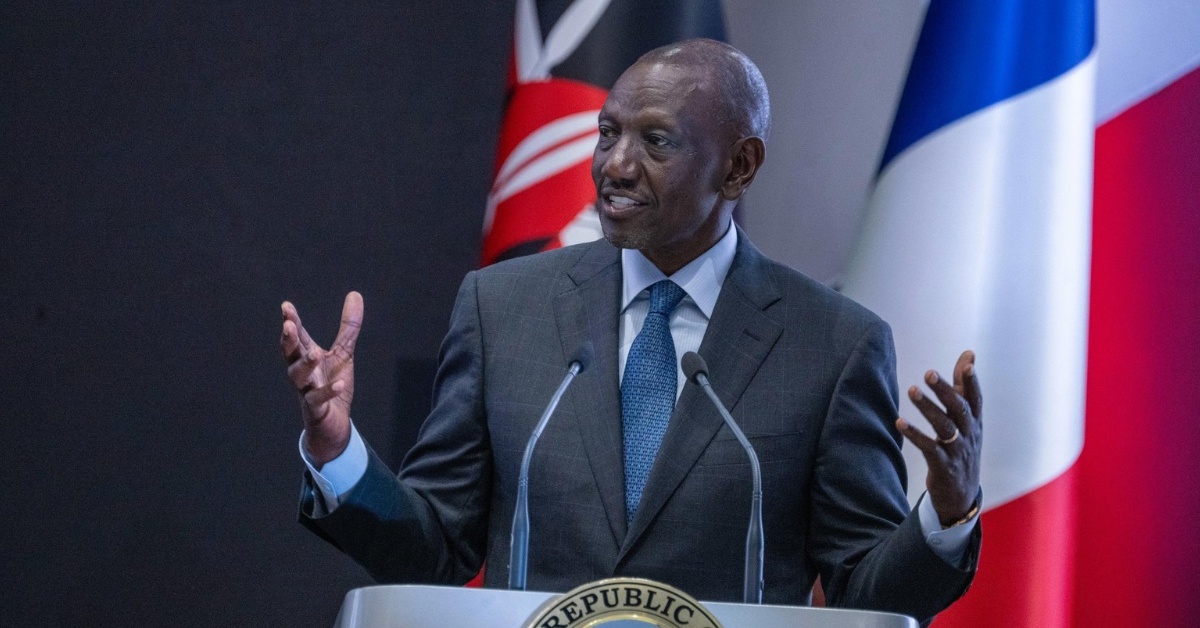
Africa’s future can no longer be discussed from the sidelines. That was the clear signal as Nairobi hosted the Africa Forward Summit, a high-level gathering that placed the continent at the center of global conversations on trade, finance, climate action and innovation.
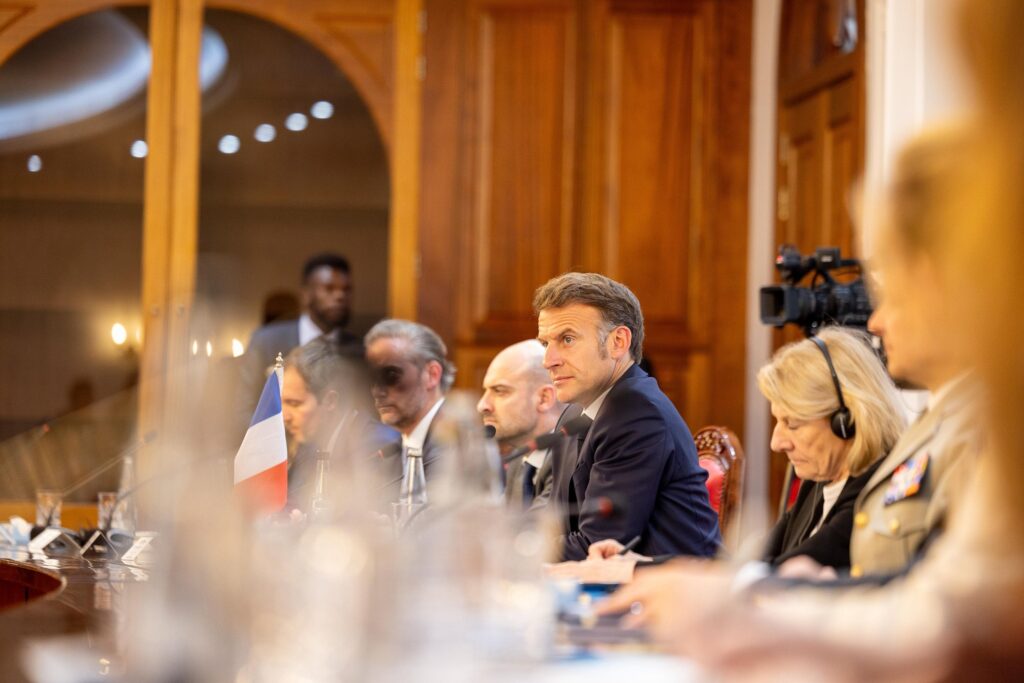
At a time when the world faces rising economic fragmentation, shifting supply chains and growing distrust in old global systems, Africa is stepping forward with stronger confidence. Co-hosted by President William Ruto of Kenya and President Emmanuel Macron of France, the summit also marked history as the first edition held in an Anglophone African nation.
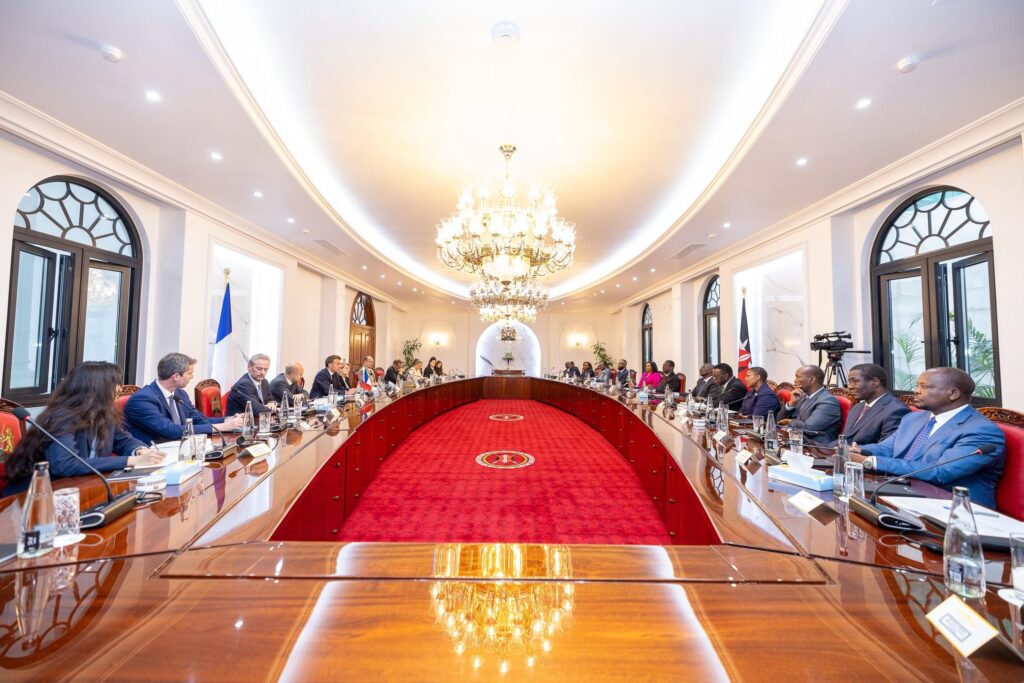
More importantly, the summit represented a change in tone. For decades, Africa’s partnerships with global powers often followed an outdated donor-recipient structure. However, today’s Africa is no longer waiting for invitations. It already sits at the heart of future global growth, energy transition opportunities and the world’s youngest workforce.
That growing importance now demands real influence. Africa wants fair access to finance, stronger trade terms and a louder voice in decision-making. Nairobi became the stage where those demands moved from speeches to action.
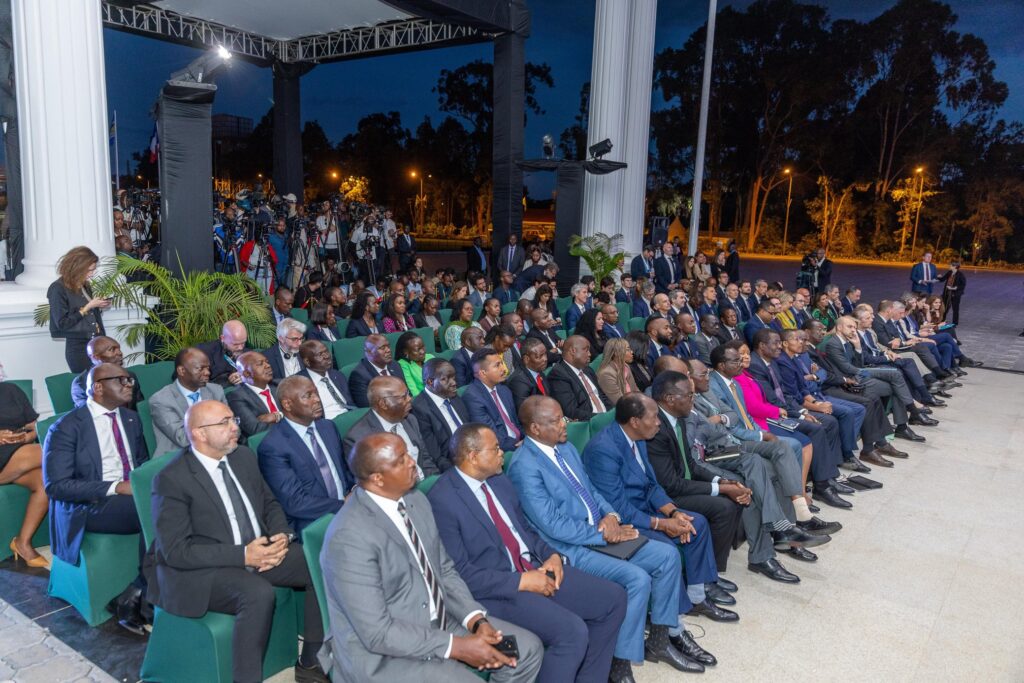
The biggest message from the summit was simple: outcomes matter more than promises. Africa has heard many declarations in the past. Yet too many failed to create jobs, industries or prosperity. This time, leaders focused on bankable projects, investment pipelines and measurable delivery. That practical approach could define whether this summit becomes a turning point or just another event.
One major priority is industrial transformation. For years, many African economies exported raw materials while importing finished products at higher prices. As a result, job creation slowed and local industries remained weak. Now, leaders want more value to stay on the continent.
Green industrialization offers one of the clearest opportunities. Kenya already generates nearly 90 percent of its energy from renewable sources, showing what is possible. Still, potential alone will not build factories or create exports. Africa needs reliable electricity, affordable financing and stable government policies to scale industrial success.
Agriculture also remains central to Africa’s value capture strategy. Farmers often take the biggest risks but receive the smallest rewards. Therefore, new geographical indication systems and stronger branding tools can help African producers earn more by protecting product origin and quality. With better certification and market access, African goods can compete globally with stronger pricing power.
Technology formed another key pillar of the summit. Africa cannot afford to remain only a consumer of digital tools or artificial intelligence. Instead, it must become a builder. With the youngest population in the world, Africa has the talent base to lead in coding, AI solutions, fintech and innovation. However, success depends on investment in education, digital infrastructure and smart regulation.
The summit also highlighted Africa’s expanding global partnerships. Countries across the Global South are increasing trade and investment ties with the continent. This creates leverage and more negotiation power. Yet leaders also warned that new partnerships must not repeat old extractive models under fresh branding. Strong governance and clear agreements remain essential.
The hardest question remains unresolved. If Africa is so central to global stability, growth and future markets, why do unfair trade rules, financing barriers and mobility restrictions still exist? Nairobi may not solve that immediately, but it has sharpened the debate.
What happens next will define the summit’s legacy. Will commitments become funded projects? Will those projects finish on time? Will they create jobs, exports and real wealth for Africans? Those are the metrics that matter now.
Nairobi’s reputation will not depend on how many summits it hosts. It will depend on what follows after the cameras leave. If action replaces rhetoric, the Africa Forward Summit may be remembered as the moment Africa moved from being discussed to leading the discussion.
Written by Musalia Mudavadi, Prime Cabinet Secretary and Cabinet Secretary, Ministry for Foreign and Diaspora Affairs of the Republic of Kenya