Physical Address
304 North Cardinal St.
Dorchester Center, MA 02124
Physical Address
304 North Cardinal St.
Dorchester Center, MA 02124

Amplifying African Entrepreneurs voices, one story at a time
Amplifying African Entrepreneurs voices, one story at a time
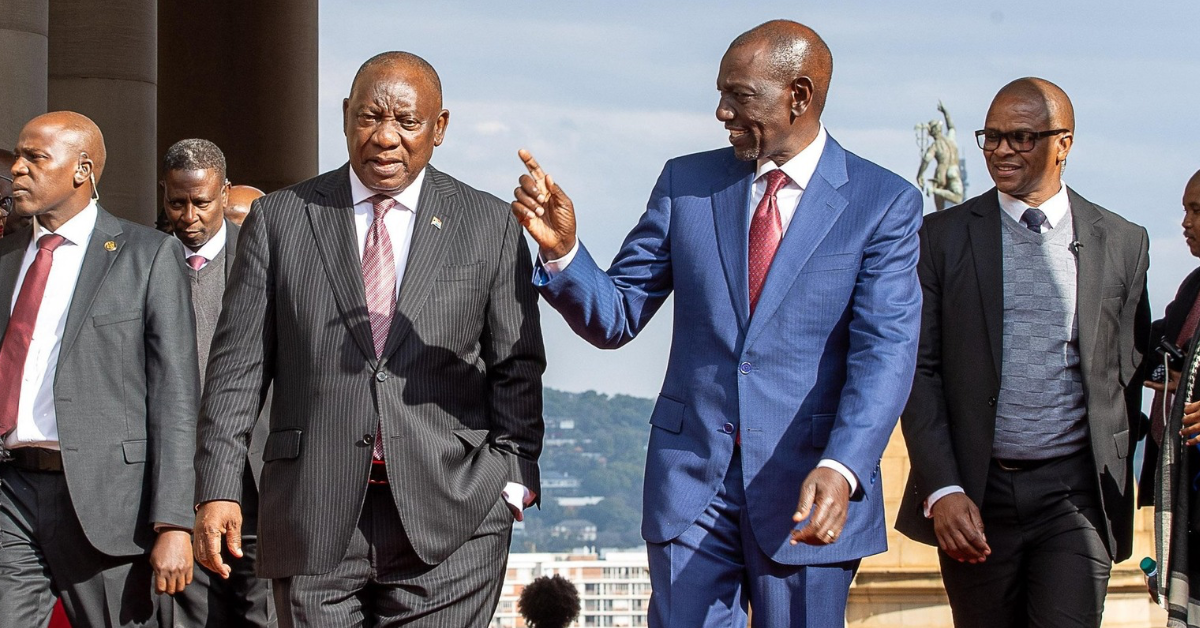
Kenya and South Africa have taken a significant step toward strengthening economic cooperation after signing six new bilateral agreements during President William Ruto’s State Visit to Pretoria, signaling a renewed commitment to trade expansion, investment growth and regional integration across Africa.
The agreements were signed in the presence of President William Ruto and President Cyril Ramaphosa at the Union Buildings in Pretoria. They cover shipping and maritime cooperation, gender equality and empowerment, technical and vocational education and training, arts and culture, heritage preservation, and sports and recreation.
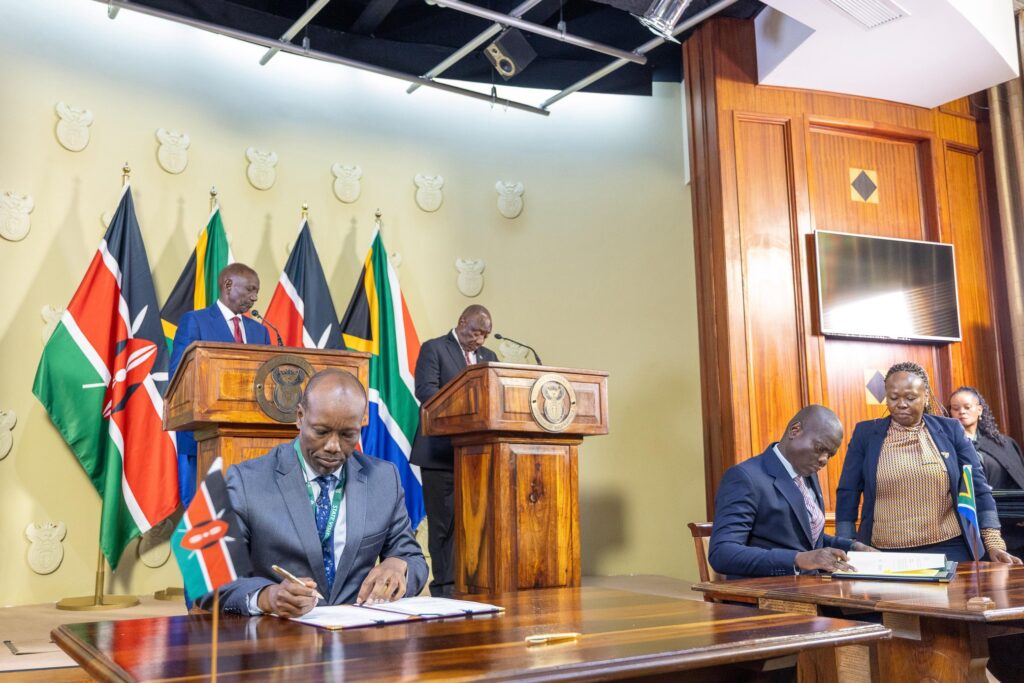
The new deals build on more than three decades of diplomatic and economic relations between two of Africa’s most influential economies. They also align with broader efforts to unlock opportunities under the African Continental Free Trade Area (AfCFTA), which aims to create a single market across the continent and drive intra-African trade.
President Ruto described the agreements as an important milestone in elevating the partnership between Kenya and South Africa. He emphasized that both countries are focused on expanding markets, increasing investment flows and creating inclusive economic growth that benefits citizens across the continent.
According to the President , engagement between the two nations continues to strengthen. He revealed that 58,000 arrivals from Kenya were recorded in South Africa in 2025 alone, highlighting growing business, tourism and cultural exchanges between the countries.
The Kenyan leader noted that trade and investment links have expanded considerably in recent years. Companies from both countries now operate across banking, telecommunications, fintech, logistics, education, aviation and retail, reflecting what he described as the natural complementarity of the two economies.
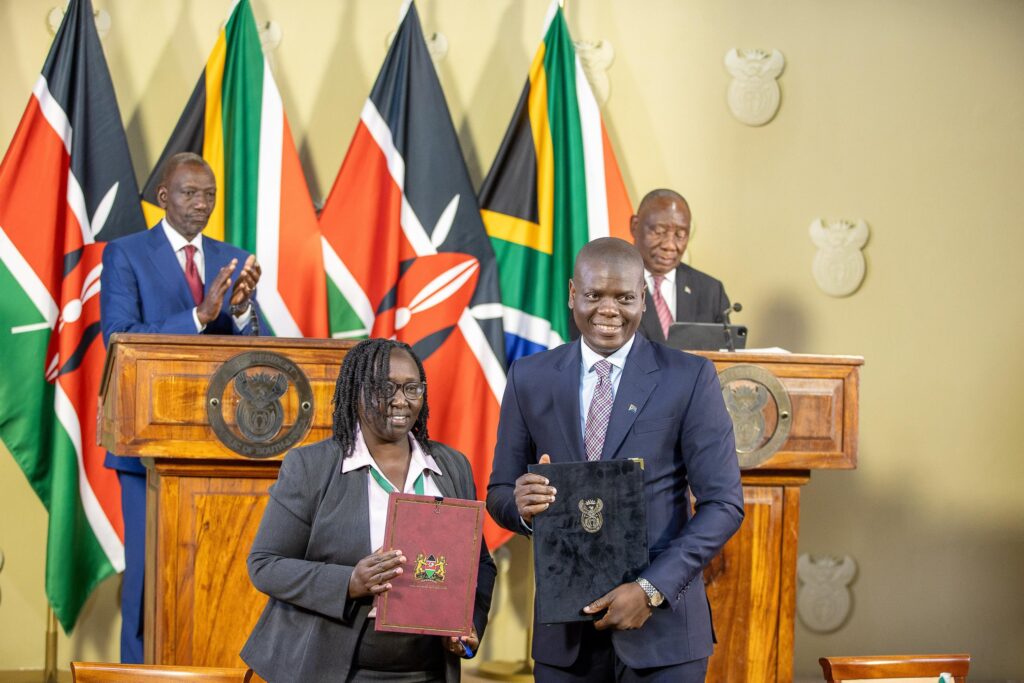
South Africa remains one of the continent’s most industrialized economies, with a strong manufacturing sector that continues to attract attention from African policymakers seeking to accelerate industrial development. President Ruto said South African investments in Kenya have created jobs, stimulated economic activity and contributed significantly to Kenya’s growth ambitions.
Meanwhile, President Ramaphosa announced a proposal to establish a Kenya-South Africa Business Council, a move designed to strengthen commercial relations and provide a structured platform for private sector engagement. The initiative is expected to support investment partnerships, remove barriers to trade and identify new opportunities for collaboration.
Both leaders expressed optimism about ongoing efforts to address trade imbalances, eliminate obstacles that slow economic activity and strengthen regional value chains. They agreed that deeper economic integration remains essential for Africa’s long-term prosperity.
Beyond traditional sectors, Kenya and South Africa are also expanding cooperation into emerging industries. Discussions during the visit focused on green energy, climate-smart industrialization, digital trade, artificial intelligence, e-mobility, maritime development and skills training.
These sectors are increasingly viewed as critical drivers of Africa’s future competitiveness. Leaders from both countries believe stronger collaboration can help create jobs, empower young people and improve economic resilience at a time when global markets are undergoing rapid transformation.
Additional memoranda of understanding are expected to be finalized in agriculture, tourism, information and communication technology, energy, transport and maritime cooperation. Officials say these agreements will deliver practical benefits for businesses and citizens while creating new pathways for economic growth.
Migration also featured prominently during discussions between the two presidents. Ramaphosa addressed concerns surrounding migration trends in South Africa and rejected perceptions that South Africans are xenophobic.
The South African president said he and Ruto held candid discussions about migration challenges facing the continent and agreed on the importance of tackling the root causes that drive people to seek opportunities outside their home countries.
President Ruto echoed those sentiments, arguing that competition for resources and economic opportunities is understandable. However, he stressed that the long-term solution lies in creating more opportunities across Africa so citizens can build successful lives within their own countries.
He pointed to the need for stronger African institutions, deeper regional cooperation and reforms that make continental structures more responsive to development challenges. According to Ruto, a more effective African Union can help member states work together to create jobs, attract investment and reduce pressures linked to migration.
The visit also highlighted the success of the visa-free regime implemented between Kenya and South Africa in 2023. Both governments credited the policy with boosting tourism, trade and cultural exchange while strengthening people-to-people connections.
President Ramaphosa described Kenya as one of South Africa’s most important strategic partners in East Africa and emphasized that relations between the two countries continue to deepen through regular diplomatic engagement and economic cooperation.
He also dismissed suggestions that Kenya and South Africa are competitors on the continental stage. Instead, he described the relationship as one built on friendship, equality and mutual respect, noting that both nations frequently align on regional and global issues.
While acknowledging the influence both countries wield within Africa, Ramaphosa stressed that all nations on the continent are equal partners in the pursuit of development and prosperity.
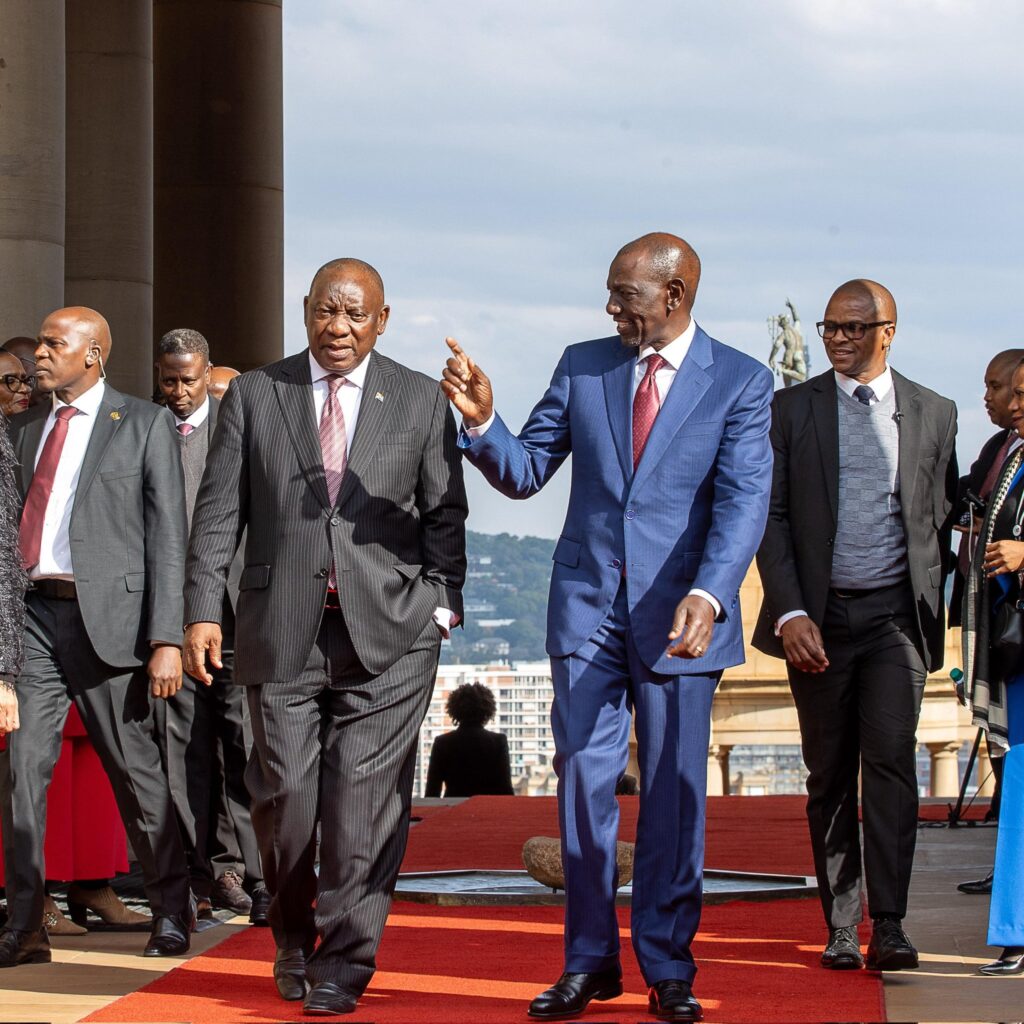
The two leaders concluded their discussions by reaffirming their commitment to building a balanced and mutually beneficial trade relationship under AfCFTA. As Africa seeks to accelerate economic integration and strengthen its position in the global economy, the partnership between Kenya and South Africa is increasingly emerging as a powerful example of cross-border cooperation designed to unlock the continent’s vast potential.
With trade agreements signed, investment opportunities expanding and business ties growing stronger, the Pretoria State Visit may prove to be a defining moment in advancing Africa’s vision for sustainable growth, industrial development and regional unity.