Physical Address
304 North Cardinal St.
Dorchester Center, MA 02124
Physical Address
304 North Cardinal St.
Dorchester Center, MA 02124

Amplifying African Entrepreneurs voices, one story at a time
Amplifying African Entrepreneurs voices, one story at a time
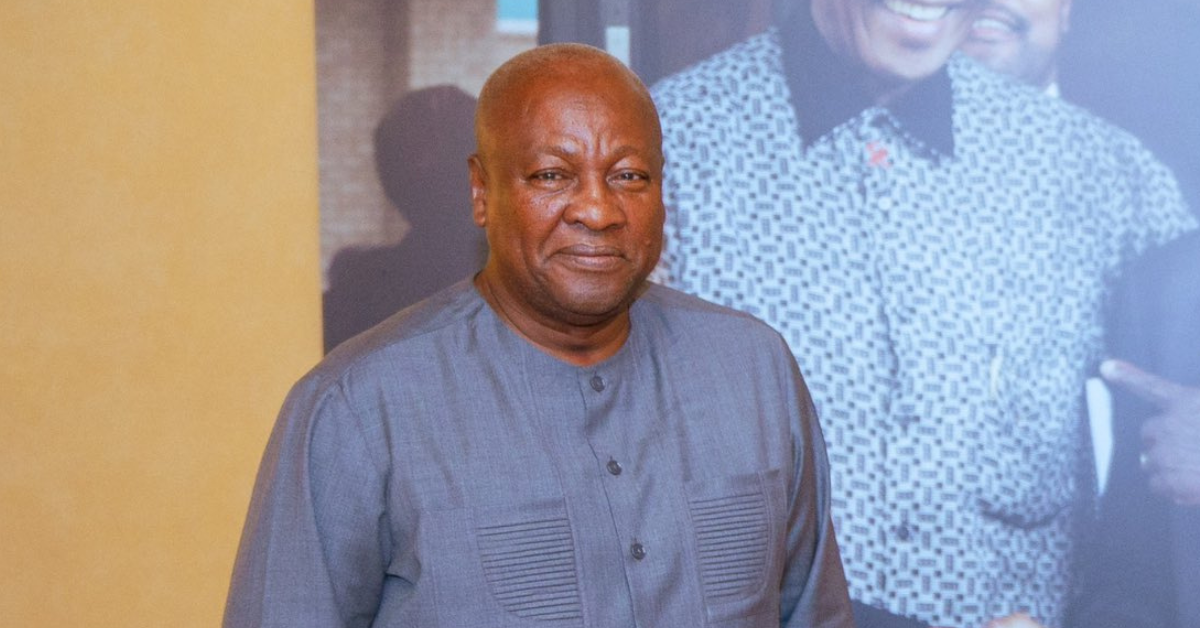
A striking observation from Ghanaian President John Dramani Mahama has reignited conversations about one of Africa’s biggest economic paradoxes: despite decades of regional integration efforts, moving goods across the continent often remains more difficult than exporting them overseas.
Speaking on the future of Africa’s economic development, President John Mahama highlighted a challenge that many businesses across the continent know all too well. According to the Ghanaian leader, shipping products from Ghana to Liverpool in the United Kingdom can be easier than transporting the same goods from Ghana to Kenya.
His remarks highlights a persistent obstacle facing African economies. While intra-African trade continues to grow, the pace of expansion remains slower than many policymakers, investors, and business leaders had hoped.
“It has been easier to ship items from Ghana to Liverpool than it is to ship the same items from Ghana to Kenya,” Mahama said while emphasizing the need for stronger connectivity across African markets.
The statement arrives at a crucial moment for the continent. Governments, development institutions, and private-sector stakeholders have invested heavily in initiatives designed to boost regional commerce, particularly through the African Continental Free Trade Area (AfCFTA), which aims to create the world’s largest free trade zone by participating countries.
However, physical and structural barriers continue to limit the full benefits of continental integration. Poor transport networks, limited rail connections, congested ports, expensive logistics systems, and inadequate energy infrastructure often increase the cost of doing business across borders.
As a result, companies frequently face higher costs and longer delivery times when trading within Africa than when exporting to Europe, Asia, or North America. This reality reduces competitiveness and slows industrial growth across many African economies.
The president noted that addressing these challenges requires more than policy agreements. Instead, African nations must accelerate investments in infrastructure and strengthen cross-border cooperation.
“We must build bridges. We must create networks for sharing power,” he noted, stressing that economic transformation depends on stronger regional connectivity.
His comments reflect a broader vision shared by many African leaders who believe that improved infrastructure can unlock significant economic opportunities. Better roads, railways, ports, digital networks, and energy systems could help reduce trade costs, improve market access, and stimulate industrial production throughout the continent.
Moreover, stronger connections between African economies could help businesses reach new consumers, diversify supply chains, and reduce dependence on overseas markets. These improvements would support job creation, attract foreign investment, and strengthen economic resilience.
The challenge is particularly important as Africa’s population continues to expand rapidly. With growing consumer markets and increasing urbanization, efficient transportation and logistics networks will play a critical role in supporting sustainable economic growth.
Many analysts argue that the success of Africa’s long-term development agenda depends on transforming infrastructure from a constraint into a competitive advantage. While initiatives such as AfCFTA provide a framework for greater economic integration, practical investments in roads, ports, rail corridors, and power systems remain essential.
President John Mahama’s remarks serve as a reminder that the continent’s economic future will not be determined solely by trade agreements. It will also depend on how effectively African countries connect their markets, share resources, and build the infrastructure needed to support a truly integrated economy.
As governments seek to accelerate growth, his message is likely to resonate with businesses, investors, and policymakers who see connectivity as one of the most important drivers of Africa’s next phase of development.
For millions of entrepreneurs across the continent, the goal is simple: make it easier to trade with neighboring countries than with markets thousands of miles away. Achieving that objective could unlock one of the greatest economic opportunities in Africa’s modern history.