Physical Address
304 North Cardinal St.
Dorchester Center, MA 02124
Physical Address
304 North Cardinal St.
Dorchester Center, MA 02124

Amplifying African Entrepreneurs voices, one story at a time
Amplifying African Entrepreneurs voices, one story at a time
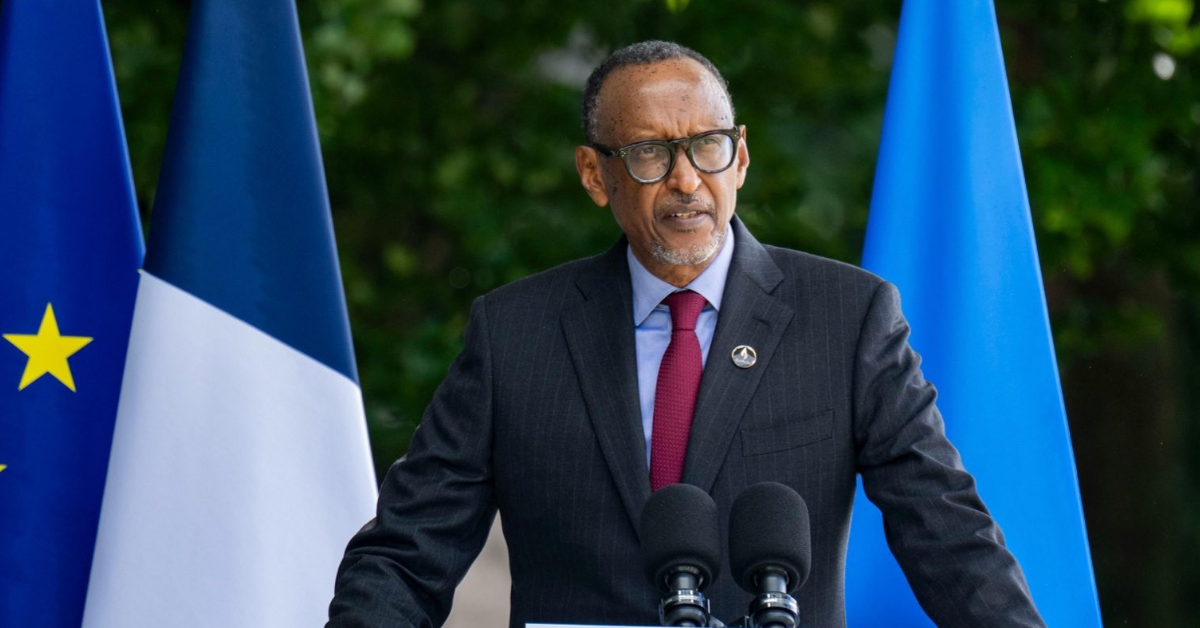
A powerful moment of remembrance and reconciliation unfolded in Paris as Rwanda’s President Paul Kagame praised French President Emmanuel Macron for confronting France’s historical role in the 1994 Genocide Against the Tutsi, a move that continues to reshape relations between the two nations.
Speaking during the inauguration of a memorial honoring victims of the genocide, Kagame described Macron’s acknowledgment of France’s past failures as an act of courage and humanity. His remarks highlighted a growing willingness by both countries to confront difficult historical truths while building a stronger partnership for the future.
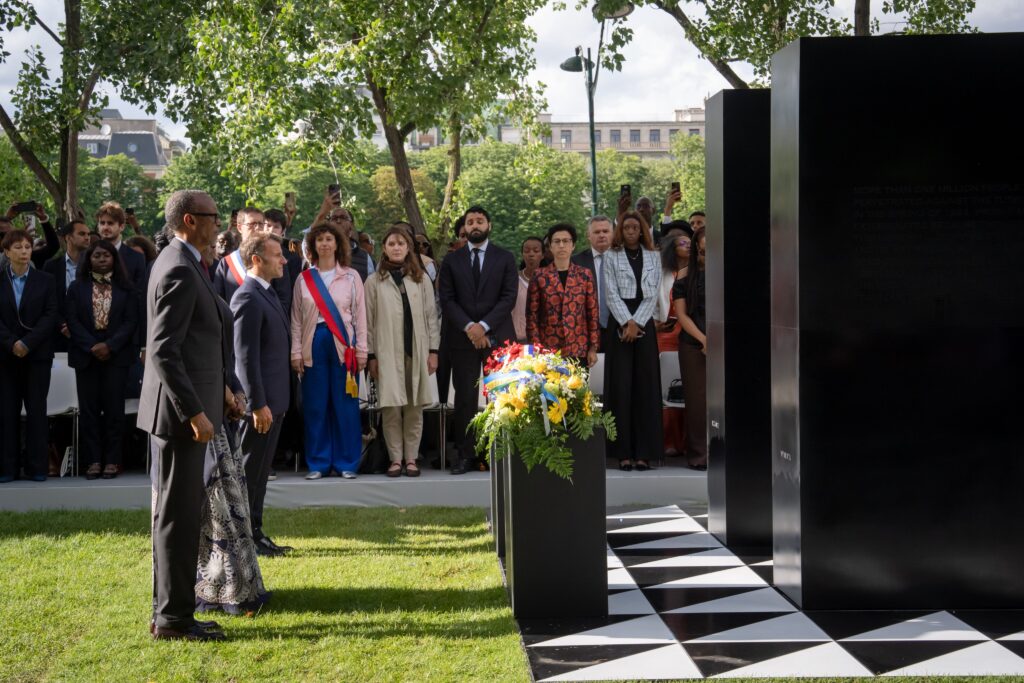
“Confronting historical responsibilities requires real courage because it generates fierce opposition by those with a case to answer,” Kagame said. “President Macron, I want to commend you on both counts: courage and humanity.”
The Rwandan leader recalled Macron’s earlier recognition that France could have acted to help prevent the genocide but failed to do so. Kagame emphasized that such honesty carries greater value than a formal apology.
“You acknowledged that France could have stopped the genocide, but did not,” Kagame stated. “In response, I described your words as something more valuable than an apology: namely, the truth.”
Kagame also credited former French President Nicolas Sarkozy for helping initiate the process of re-examining France’s historical role in Rwanda. According to President Paul Kagame, that journey has gradually opened the door to a more transparent understanding of events surrounding one of the darkest chapters in modern African history.
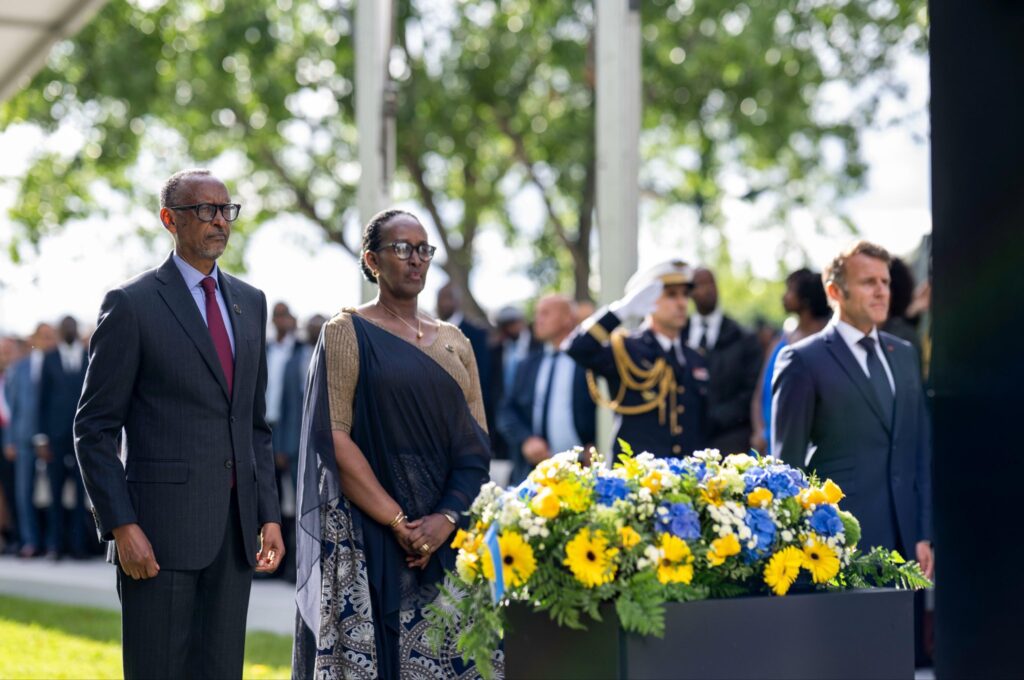
The president noted that the Genocide Against the Tutsi was foreseeable and that France held a unique position to observe warning signs and take action. Nevertheless, he acknowledged that France has made greater efforts than many other nations to address its role and accept responsibility.
“It took too long for France to come to terms with its role, causing additional pain,” he said. “But I believe that our common work has initiated a journey toward truth, which is irreversible.”
While some genocide survivors and advocacy groups continue to seek further accountability, Kagame stressed that meaningful progress has already been made. He argued that confronting historical realities remains essential for lasting reconciliation and stronger international relationships.
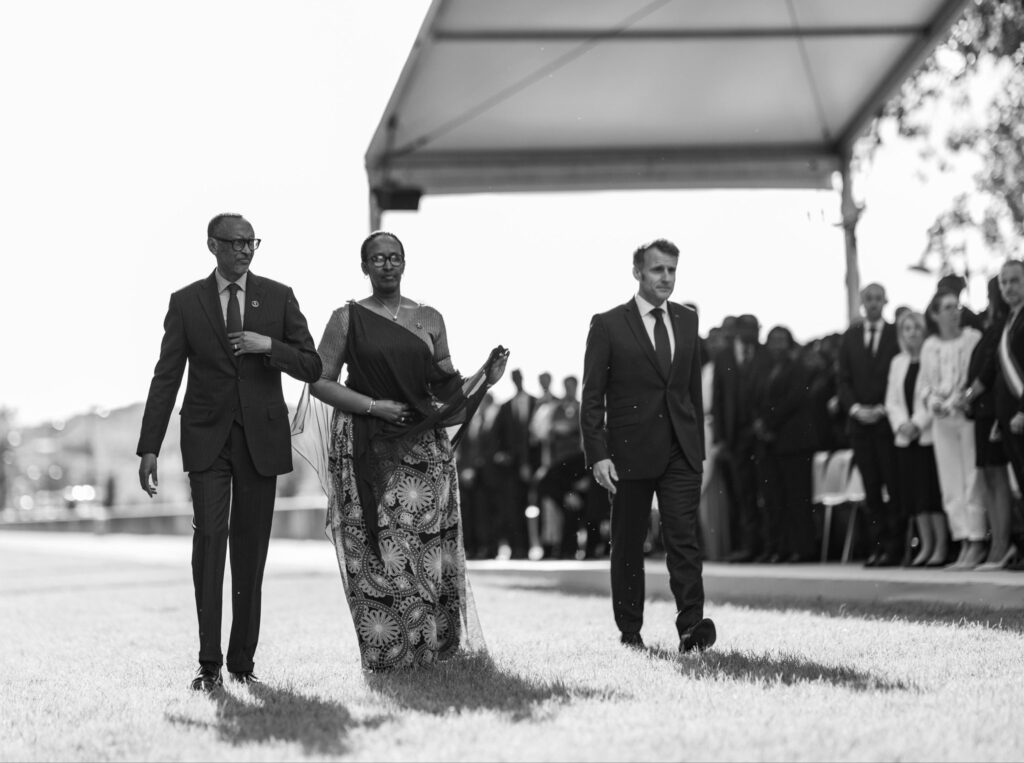
The memorial unveiled in Paris stands as a lasting tribute to the victims of the 1994 Genocide Against the Tutsi. Beyond remembrance, it represents a commitment to preserving historical truth and ensuring future generations understand the consequences of hatred, division and political failure.
The ceremony brought together President Kagame, First Lady Jeannette Kagame, President Emmanuel Macron, First Lady Brigitte Macron, senior government officials, diplomats, academics, researchers and friends of Rwanda. Their presence underscored the growing importance of Rwanda-France relations in a changing global landscape.
Following the inauguration, President Paul Kagame attended a state dinner at the Palais de l’Élysée hosted by Macron and Brigitte Macron. The gathering further highlighted the strengthening diplomatic ties between Kigali and Paris.
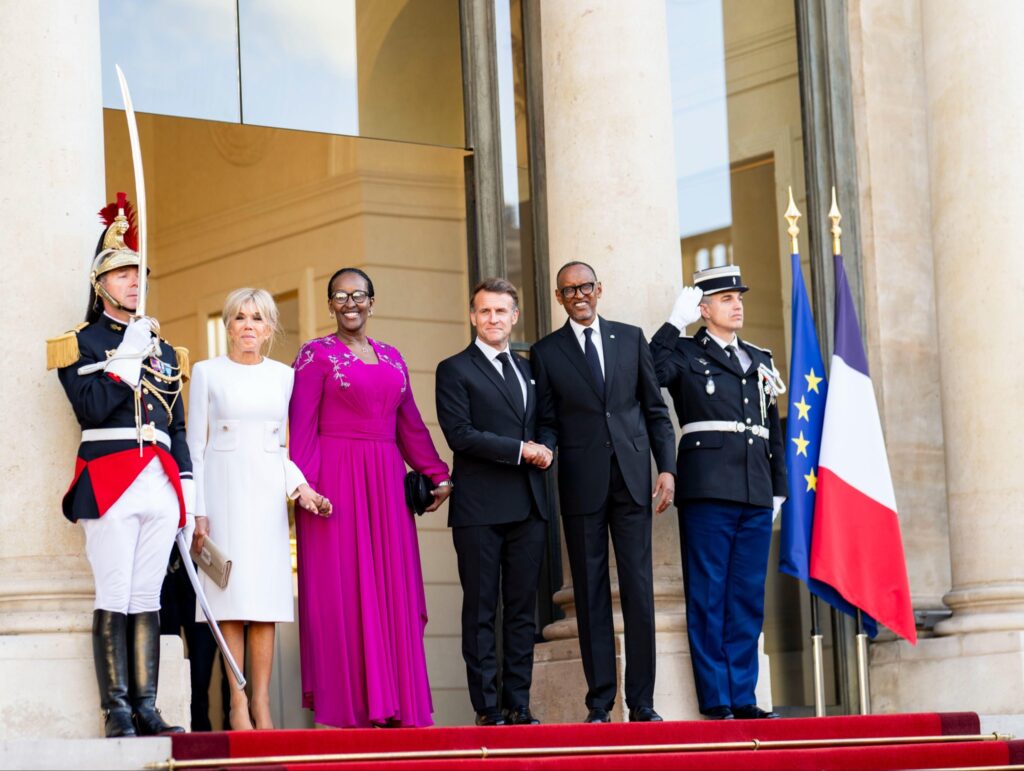
Importantly, the relationship between Rwanda and France now extends well beyond historical dialogue. Kagame pointed to expanding cooperation across investment, technology, climate action and other strategic sectors as evidence of a renewed partnership built on mutual trust.
“This has been a day of great meaning and promise,” Kagame said. “Rwanda appreciates the steps you have taken. We have chosen to look forward and write a new chapter together, and that choice is already bearing fruit.”
As Africa’s development agenda accelerates and global alliances continue to evolve, Rwanda and France increasingly see opportunities for collaboration in areas that drive economic growth and innovation. Consequently, the restoration of trust between the two countries could serve as a model for how nations address painful historical legacies while pursuing shared prosperity.
The memorial itself carries a message that reaches beyond Rwanda and France. It reminds the world that remembrance requires vigilance, accountability and an unwavering commitment to truth.