Physical Address
304 North Cardinal St.
Dorchester Center, MA 02124
Physical Address
304 North Cardinal St.
Dorchester Center, MA 02124

Amplifying African Entrepreneurs voices, one story at a time
Amplifying African Entrepreneurs voices, one story at a time
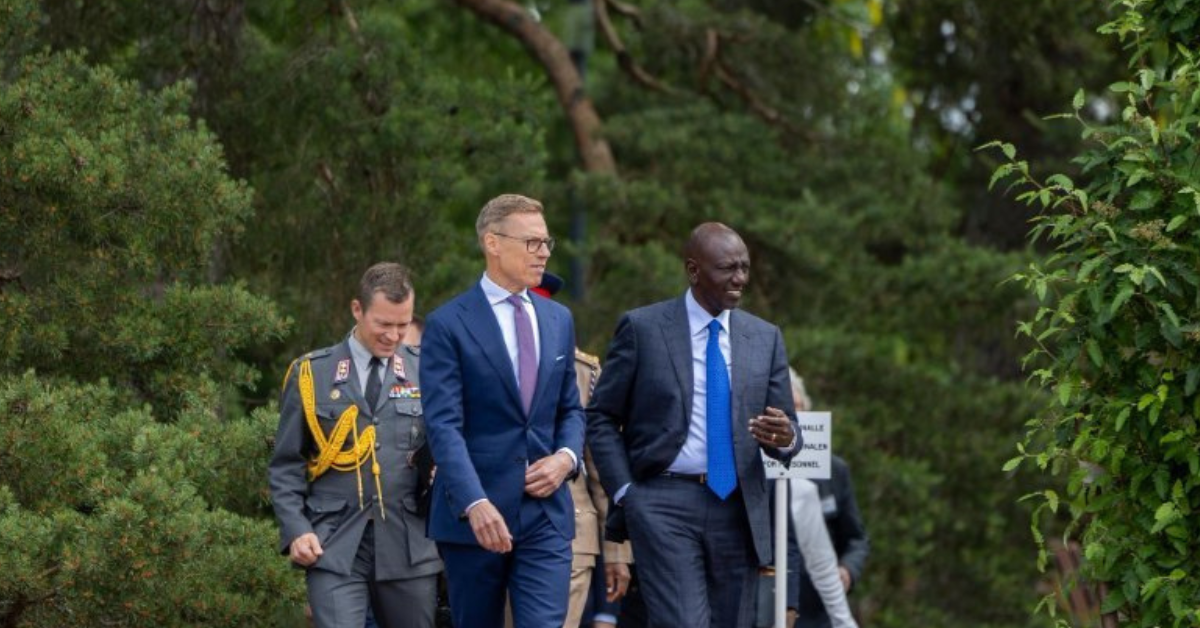
President William Ruto has returned to Nairobi after a week-long diplomatic sprint across Belgium, Norway, and Finland, but the real story is not the travel. It is the economic architecture taking shape behind it.
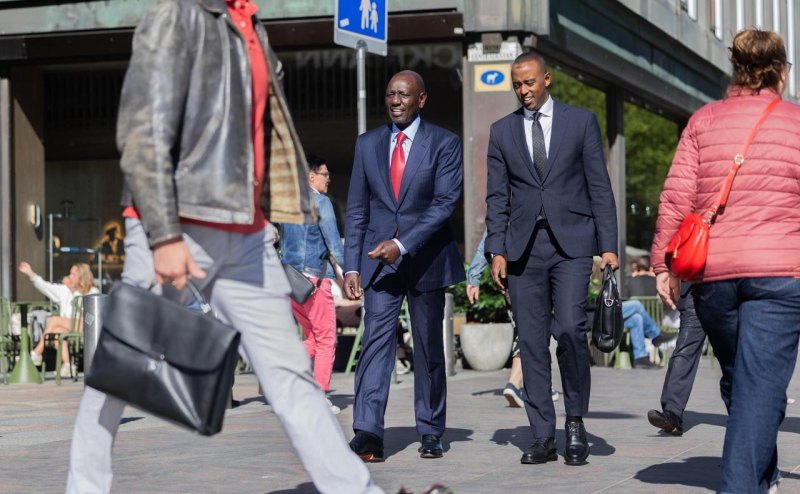
Across Europe and parts of Central Asia, Kenya positioned itself as a rising investment hub. The government pushed a clear message: diplomacy is no longer ceremonial, it is transactional, and increasingly economic.
In Brussels, Nairobi secured new digital financing and deeper trade commitments from the European Union. The agreements are designed to expand fibre connectivity, strengthen government digital services, and accelerate Kenya’s shift into a regional tech hub.
This move is expected to open thousands of opportunities in digital entrepreneurship, especially for young innovators.
At the same time, Kenya advanced negotiations on data adequacy, a potential breakthrough that could allow the country to become the first in Africa to gain full EU data recognition. If successful, this would unlock cross-border digital trade at scale.
In Norway, discussions produced a major labour mobility win. Wilhelmsen Ship Management committed to recruiting 1,000 Kenyan seafarers by 2030. The first 120 will be hired within the year. This agreement opens a global income channel for Kenyan youth entering the maritime industry.
Meanwhile, in Finland, Ruto secured cooperation spanning education, healthcare, innovation, and climate action. Finland also awarded him the Helsinki City Medal, underscoring the diplomatic tone of the visit.
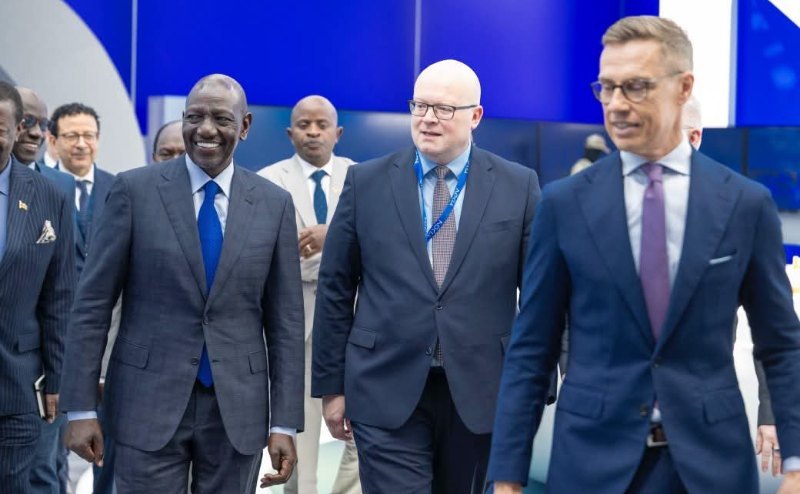
The agreements focus on technical training, digital skills, and healthcare system strengthening, particularly around universal health coverage and medical innovation.
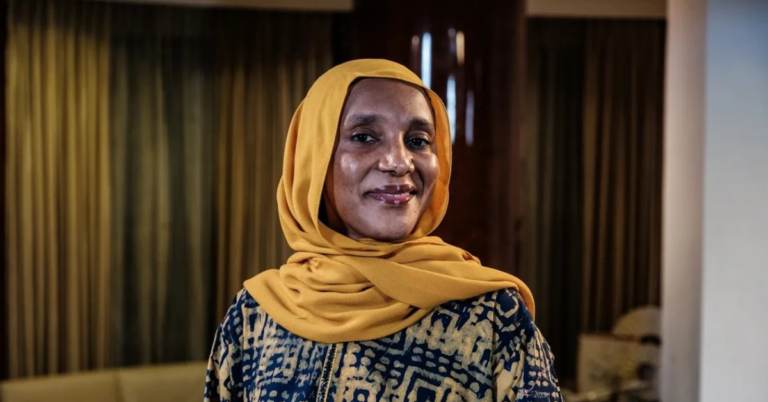
Back in Africa, the economic ripple effects are already visible. In Tanzania, President Samia Suluhu Hassan and Ruto agreed to eliminate non-tariff barriers by mid-2026.
That decision targets long-standing trade friction at border points, including duplicate inspections and delays that have cost businesses millions.
A new Kenya–Tanzania Business Council will also fast-track dispute resolution within 30 days. For traders, that means fewer bottlenecks and more predictable cross-border commerce.
Infrastructure remains central to the agenda. The Voi–Mwatate–Taveta railway and the Malindi–Bagamoyo coastal highway are both being positioned as regional trade arteries.
If completed, they will reshape logistics across East Africa and reduce transport costs for exporters and manufacturers.
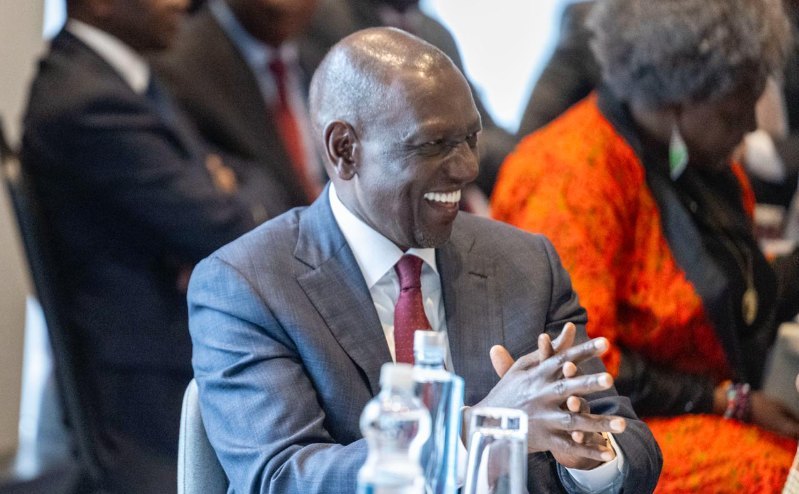
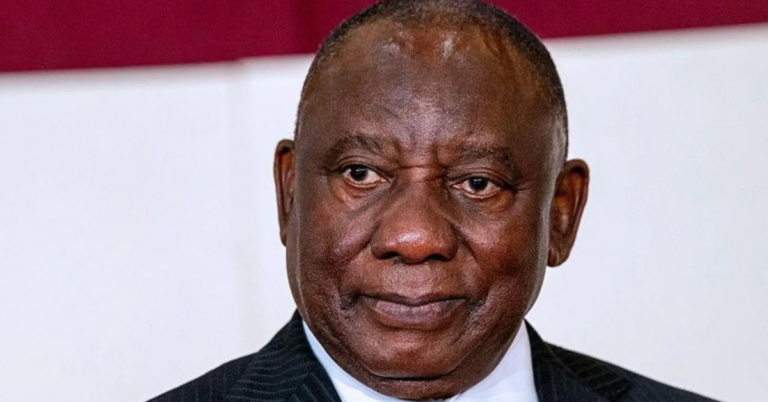
In South Africa, President Cyril Ramaphosa lifted suspended duties on Kenyan tea, coffee, and spices.
The move restores market access for one of Kenya’s most important export baskets, directly supporting farmers and agro-exporters.
Back in Brussels, Kenya also secured €139 million in EU funding for the Digital Superhighway programme.
Another €102 million package will strengthen digital infrastructure and skills development, while €37 million will support the expansion of the Blue Raman undersea cable.
Together, these investments aim to reduce internet costs and expand connectivity across East Africa.
Kenya’s broader strategy is becoming clear. The government is actively shifting from aid-driven engagement to investment-driven diplomacy.
Each visit is tied to market access, infrastructure financing, or labour export agreements.