South Africa is preparing for what could become its first interest rate increase in three years as policymakers race to contain inflation triggered by surging global oil prices and growing geopolitical instability in the Middle East.
The South African Reserve Bank is widely expected to lift its benchmark lending rate by 25 basis points to 7%, marking a significant shift in monetary policy after years of holding borrowing costs steady.
Economists believe the decision reflects mounting concern over the inflationary pressure caused by the ongoing Iran conflict and the disruption of energy markets.
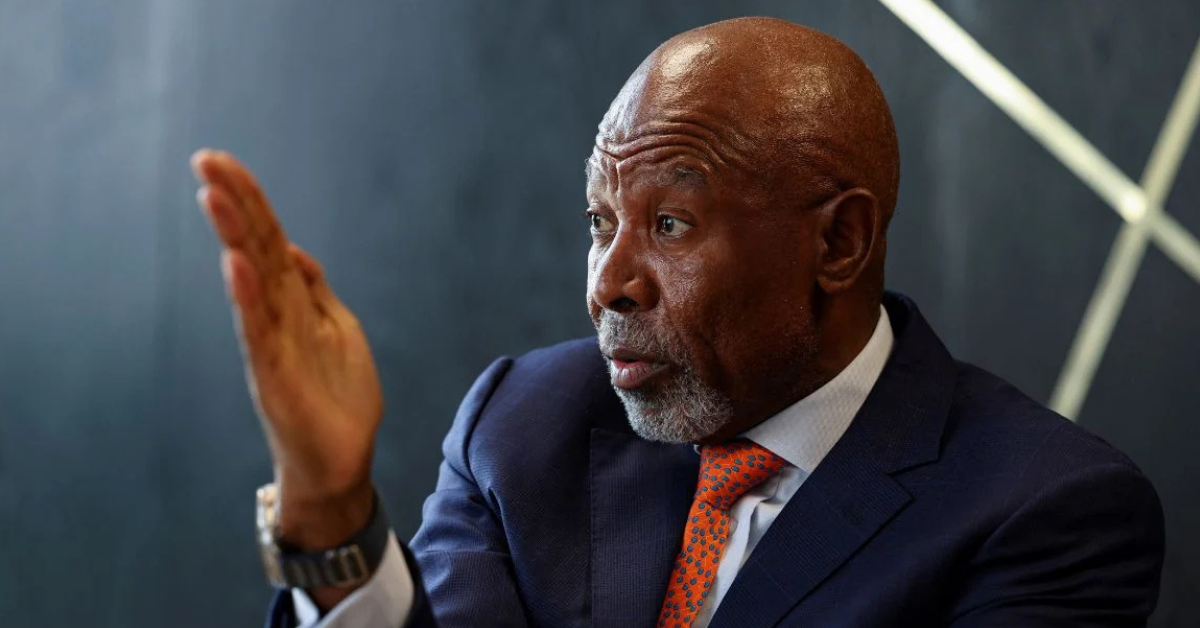
Nearly every economist surveyed by Bloomberg expects Governor Lesetja Kganyago and the monetary policy committee to approve the increase during Thursday’s policy meeting in Pretoria.
Financial markets have already priced in another possible rate hike before the end of the year as inflation risks continue to rise.
The expected move places South Africa among a small group of countries tightening monetary policy despite global caution.
Central banks in Indonesia and Mauritius have also raised rates recently while many governments wait to assess the wider economic fallout from the Middle East crisis.
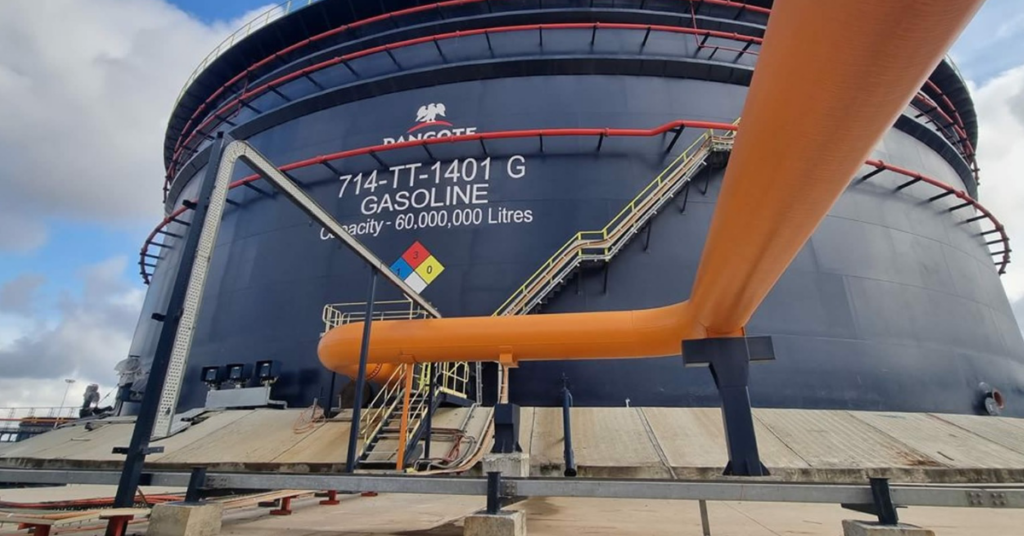
Fuel prices remain the biggest driver of concern. Fighting that erupted in Iran on February 28 disrupted shipping through the Strait of Hormuz, a vital global trade route responsible for transporting roughly one-fifth of the world’s seaborne oil and liquefied natural gas supplies.
As oil prices climbed, energy costs surged across several economies, including South Africa.
South African motorists already face gasoline prices near a four-year high.
Although authorities temporarily reduced fuel levies to soften the blow, economists say those relief measures may soon disappear.
Petrol prices could hit record levels next month once the government begins unwinding emergency interventions introduced after the conflict intensified.
Inflation has already accelerated sharply. South Africa’s annual inflation rate climbed to 4% in April from 3.1% in March, reaching its highest level in 20 months.
That figure now sits close to the upper edge of the Reserve Bank’s target range, which aims to keep inflation around 3%.
Andrew Matheny, an economist at Goldman Sachs Group, expects policymakers to adopt a more aggressive tone even if they only raise rates modestly this week.
He believes the central bank will signal readiness to tighten policy further should inflation expectations deteriorate or oil prices remain elevated for longer than anticipated.
At the same time, economists remain divided over how aggressively the bank should respond. Some analysts argue inflation still reflects external supply shocks rather than overheating domestic demand.
Food inflation remains relatively contained, while broader second-round price increases have not yet spread across the economy.
Keabetswe Mojapelo, a macroeconomist at Rand Merchant Bank, expects policymakers to remain cautious even as they move rates higher.
He argues the committee will likely look beyond the initial oil shock before considering larger increases.
Meanwhile, Cartesian Capital stands out as one of the few firms predicting no rate increase at all.
Anthea Gardner, the company’s managing partner, says inflation currently stems from external forces that monetary policy cannot directly control.
According to Gardner, the Reserve Bank has historically avoided overreacting to temporary supply shocks unless clear evidence shows inflation spreading more broadly through the economy.
She believes policymakers may still decide to wait for stronger proof that inflation will remain persistently elevated.
Other economic indicators also complicate the outlook. South Africa’s fiscal position has improved in recent months, while the rand has remained relatively resilient despite the geopolitical turmoil.
Imported inflation also remains relatively contained compared with earlier global inflation cycles.
Still, rising energy costs continue to dominate investor attention.
Traders increasingly expect policymakers to maintain a hawkish stance as the risk of prolonged conflict in the Middle East threatens oil supply stability and global economic growth.
For businesses and consumers across Africa’s most industrialized economy, a rate increase would likely raise borrowing costs on mortgages, vehicle financing, and corporate loans.
However, the Reserve Bank appears increasingly willing to prioritize inflation control over short-term economic relief.
As markets await the final decision in Pretoria, investors across the continent are watching closely.
The outcome may shape expectations for monetary policy across emerging African economies already battling volatile commodity prices, currency pressure, and slowing consumer demand.