Physical Address
304 North Cardinal St.
Dorchester Center, MA 02124
Physical Address
304 North Cardinal St.
Dorchester Center, MA 02124

Amplifying African Entrepreneurs voices, one story at a time
Amplifying African Entrepreneurs voices, one story at a time
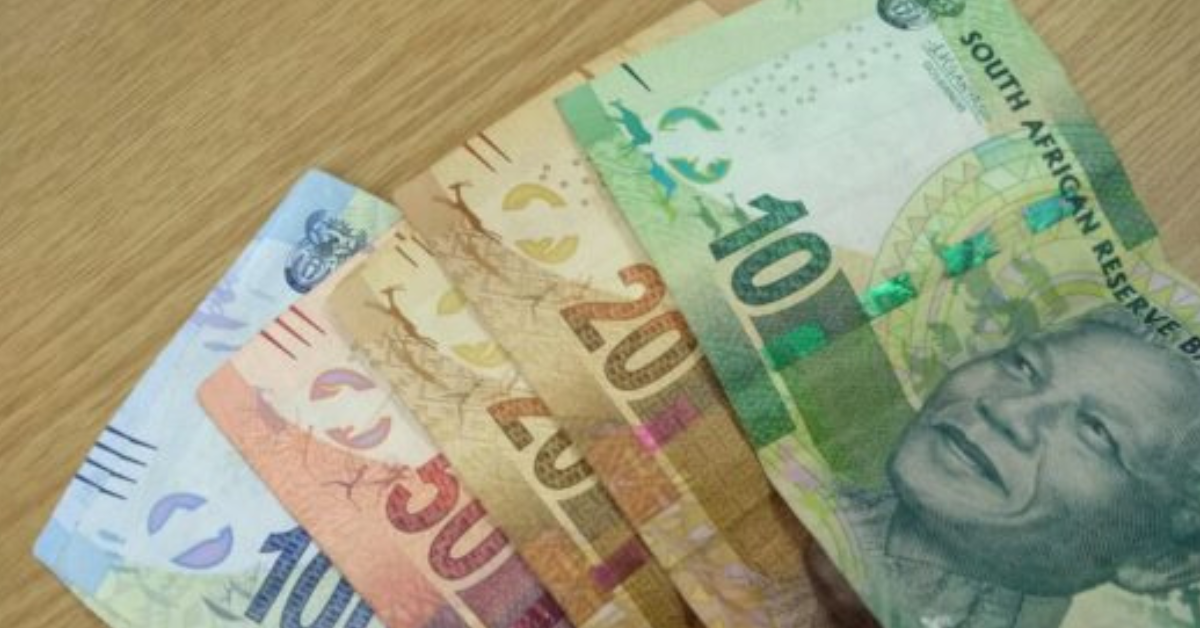
South Africa is positioning itself for a powerful surge in private wealth over the next five years, with new projections showing its billionaire population rising by 40 percent by 2031, even as the country continues to navigate weak growth, infrastructure strain, and policy uncertainty.
The latest Knight Frank Wealth Report places South Africa firmly at the center of Africa’s evolving wealth map, where capital concentration continues to deepen despite economic friction.
The report shows that South Africa’s billionaire count is expected to grow from 10 in 2026 to 14 by 2031.
While the increase appears modest in absolute terms, it signals a stronger structural trend in wealth consolidation.
At the same time, the country’s ultra-high net worth population, defined as individuals holding more than $30 million in assets, is also projected to expand significantly, reinforcing South Africa’s dominance in Africa’s private wealth ecosystem.
Knight Frank links this growth to a resilient financial infrastructure that continues to attract and retain capital.
Even as unemployment remains high and infrastructure challenges persist, investors continue to view South Africa as one of the continent’s most sophisticated and globally integrated markets.
This contrast between economic pressure and wealth expansion highlights a dual reality shaping the country’s financial future.
Luxury-driven investment is playing a larger role in this shift. Wealth creation is no longer tied only to traditional sectors.
Instead, lifestyle assets such as luxury tourism, wine estates, and experiential real estate are becoming central to portfolio strategies among high-net-worth individuals.
Regions like Stellenbosch and the Cape South Coast are gaining international attention as premium destinations where lifestyle and long-term asset value intersect.
The report highlights a striking pricing gap in global vineyard markets. In Stellenbosch, $1 million can secure roughly 16.67 hectares of vineyard land based on late 2025 estimates.
That stands in sharp contrast to elite European regions such as Burgundy Grand Cru, where a single hectare can reach up to $55 million.
This difference continues to attract global investors seeking undervalued luxury agricultural assets.
South Africa’s art and cultural investment ecosystem also contributes to its global appeal.
Institutions such as Goodman Gallery, founded in South Africa with a strong international footprint in London and New York, reflect how creative industries increasingly intersect with global wealth flows and alternative asset investment trends.
Across the continent, the report projects Africa’s ultra-wealthy population will rise from 7,322 individuals in 2026 to 8,412 by 2031.
This broader continental expansion reflects growing private capital formation even amid global financial tightening.
However, South Africa continues to capture a disproportionate share of that wealth due to its mature markets and international investor familiarity.
Ultimately, the report reinforces a defining paradox. South Africa faces structural economic constraints, yet it continues to scale as Africa’s leading wealth hub.