Physical Address
304 North Cardinal St.
Dorchester Center, MA 02124
Physical Address
304 North Cardinal St.
Dorchester Center, MA 02124

Amplifying African Entrepreneurs voices, one story at a time
Amplifying African Entrepreneurs voices, one story at a time
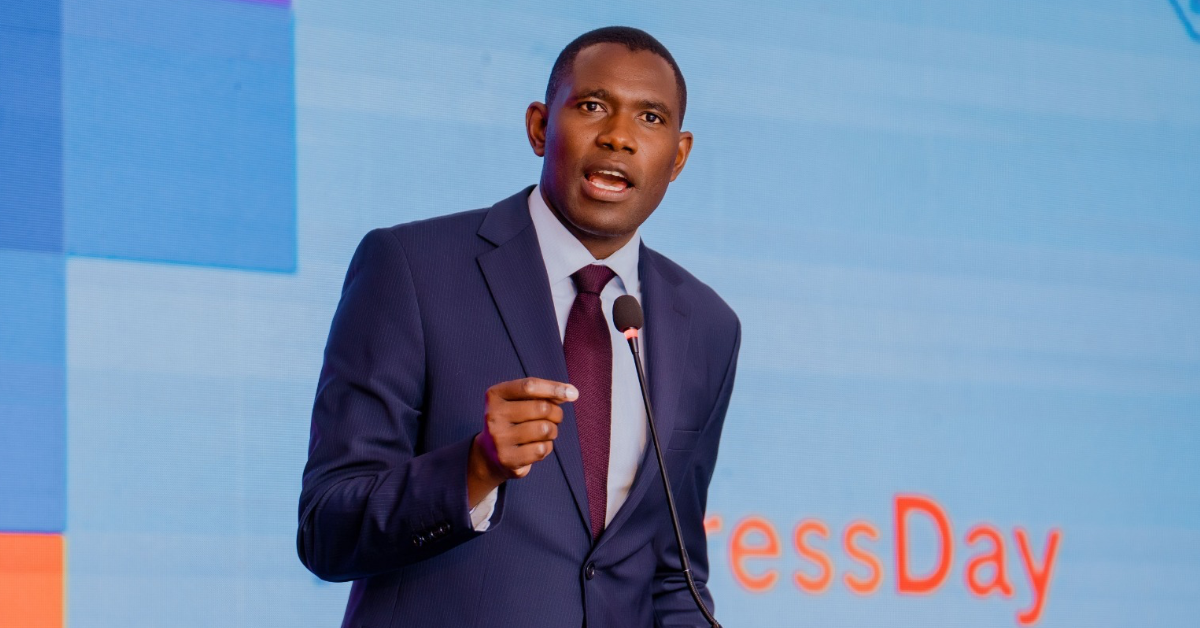
Breast cancer has cost seven African economies more than $10 billion in lost productivity, according to new research unveiled during Africa Press Day 2026 held in Nairobi. The findings highlight the growing economic burden of cancer across the continent and reinforce calls for stronger investment in women’s health systems.
The two-day forum brought together journalists from nine African countries alongside policymakers, economists, and public health experts. The event was convened by global healthcare company Roche to explore how strategic investments in healthcare can strengthen human capital, improve productivity, and build resilient economies.
Speakers at the gathering emphasized that African governments must treat healthcare spending as an economic investment rather than a social cost. As countries pursue economic diversification and workforce growth, health outcomes increasingly influence national productivity.
In a keynote address, Dr Ouma Oluga, Principal Secretary for the State Department for Medical Services at Kenya’s Ministry of Health, urged journalists to help reshape public conversations about health policy. He challenged the media to focus not only on mortality statistics but also on solutions and the systems that connect policy, resources, and healthcare delivery.
To illustrate the economic stakes, Roche presented new research conducted by the WifOR Institute. The analysis examined the economic impact of HER2-positive breast cancer, an aggressive form of the disease responsible for up to 20 percent of breast cancer cases across Africa.
Researchers found that the disease generated more than $10 billion in lost productivity between 2017 and 2023 in seven countries: Algeria, Côte d’Ivoire, Kenya, Morocco, Nigeria, South Africa and Tunisia. Nearly 90 percent of these losses affected women in their prime working years, highlighting the significant economic consequences of the disease.
The research also showed that investment in innovative cancer treatments can generate strong economic returns. According to the analysis, every dollar invested in advanced therapies could generate as much as $12.40 in economic value by enabling patients to return to productive work and maintain longer healthy lives.
Maturin Tchoumi, Pharma International Area Head for Roche Africa, said the evidence demonstrates that women’s health plays a central role in economic growth across the continent. He noted that breast cancer is becoming an increasing threat to African societies and economies, but strategic health investments can strengthen productivity, resilience, and sustainable development.
Participants also discussed the persistent diagnosis gap across Africa. Health experts estimate that about 77 percent of African women are diagnosed with breast cancer in the later stages of the disease. Late diagnosis makes treatment more complex and significantly more expensive while reducing survival rates.
Expanding access to early screening and diagnosis therefore remains a priority for policymakers and healthcare providers. Early detection programs can improve survival outcomes while also reducing economic losses linked to workforce disruptions.
Delegates at the event examined Kenya’s EMPOWER initiative as a practical example of progress in cancer care. The program uses digital tools and integrated care systems to improve breast and cervical cancer screening and treatment pathways.
The initiative has created 76 physical and virtual clinics designed to speed up diagnosis and treatment. Since launching in 2019, the program has reached more than 235,000 women and enabled 3,225 patients to receive treatment. Kenya’s National Cancer Institute of Kenya has also adopted the platform as part of its national cancer response strategy.
Dorothy Nyong’o, First Lady of Kisumu County and chair of the Africa Cancer Foundation, said the initiative demonstrates how collaboration between governments, healthcare providers, and private sector partners can improve outcomes for women across Africa. She emphasized that tackling breast cancer represents both a moral responsibility and a strategic economic choice.
Throughout Africa Press Day 2026, speakers highlighted several initiatives aimed at strengthening healthcare systems across Africa. These efforts include Women’s Integrated Care Services pilot programs in Kenya and Côte d’Ivoire that integrate cancer care into primary health services, as well as expanded diagnostic laboratories designed to improve pandemic preparedness.
Experts also pointed to the growing role of African-led scientific research, including genomics and locally driven innovation, in advancing healthcare sovereignty across the continent.
Participants agreed that stronger health systems will play a decisive role in Africa’s long-term economic growth. Investments that improve women’s health can expand workforce participation, strengthen communities, and boost productivity.
For policymakers and development partners, the message emerging from the Nairobi forum was clear: investing in women’s health is not only a public health necessity but also a critical economic strategy for Africa’s future.