Physical Address
304 North Cardinal St.
Dorchester Center, MA 02124
Physical Address
304 North Cardinal St.
Dorchester Center, MA 02124

Amplifying African Entrepreneurs voices, one story at a time
Amplifying African Entrepreneurs voices, one story at a time
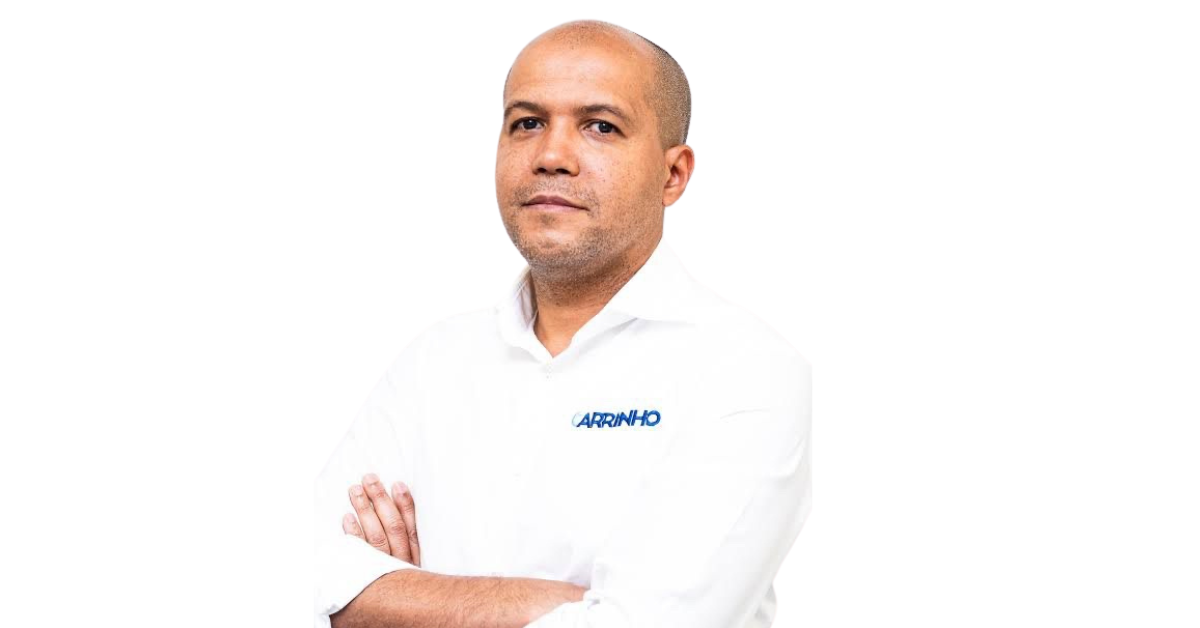
Angola’s vast agricultural potential continues to attract attention across Africa, yet the country still depends heavily on food imports. However, a growing push from private sector players is beginning to reshape the narrative, with Carrinho Group emerging as a key force driving transformation in the sector.
During a recent conversation with Anna Bjerde, Carrinho Group CEO Nelson Carrinho highlighted both the challenges and opportunities facing agriculture in Angola. He stressed that African entrepreneurs often must build entire systems from scratch due to limited institutional support. As a result, companies like Carrinho Group have stepped in to fill critical gaps across the agricultural value chain.
Carrinho explained that the company’s strategy focuses on enabling farmers to concentrate on production while the business handles the rest. Instead of leaving farmers to struggle with fragmented systems, Carrinho Group provides essential inputs on credit, offers technical support, and secures reliable market access. This approach ensures that farmers not only grow crops but also sell them efficiently.
Moreover, the company guarantees a market for produce, which reduces uncertainty and encourages higher productivity. Consequently, farmers gain confidence to scale operations, while the broader agricultural ecosystem benefits from increased output. This model is already contributing to what Carrinho described as a recent “boom” in Angola’s agriculture sector.
Although Angola possesses fertile land and favorable climate conditions, structural inefficiencies have long limited its ability to achieve food self-sufficiency. Nevertheless, initiatives like those led by Carrinho Group are helping to close that gap. By building a comprehensive farm-to-table system, the company is unlocking opportunities for job creation, rural development, and economic diversification.
At the same time, Carrinho emphasized that collaboration remains essential. Governments, financial institutions, and private investors must align efforts to strengthen infrastructure and expand access to finance. Without coordinated action, progress could slow despite the sector’s promise.
As Angola works toward reducing food imports, the role of agribusiness leaders continues to grow. Their investments not only boost local production but also create sustainable livelihoods for thousands of farmers. In turn, this momentum positions Angola as a potential agricultural powerhouse in Africa.