Physical Address
304 North Cardinal St.
Dorchester Center, MA 02124
Physical Address
304 North Cardinal St.
Dorchester Center, MA 02124

Amplifying African Entrepreneurs voices, one story at a time
Amplifying African Entrepreneurs voices, one story at a time
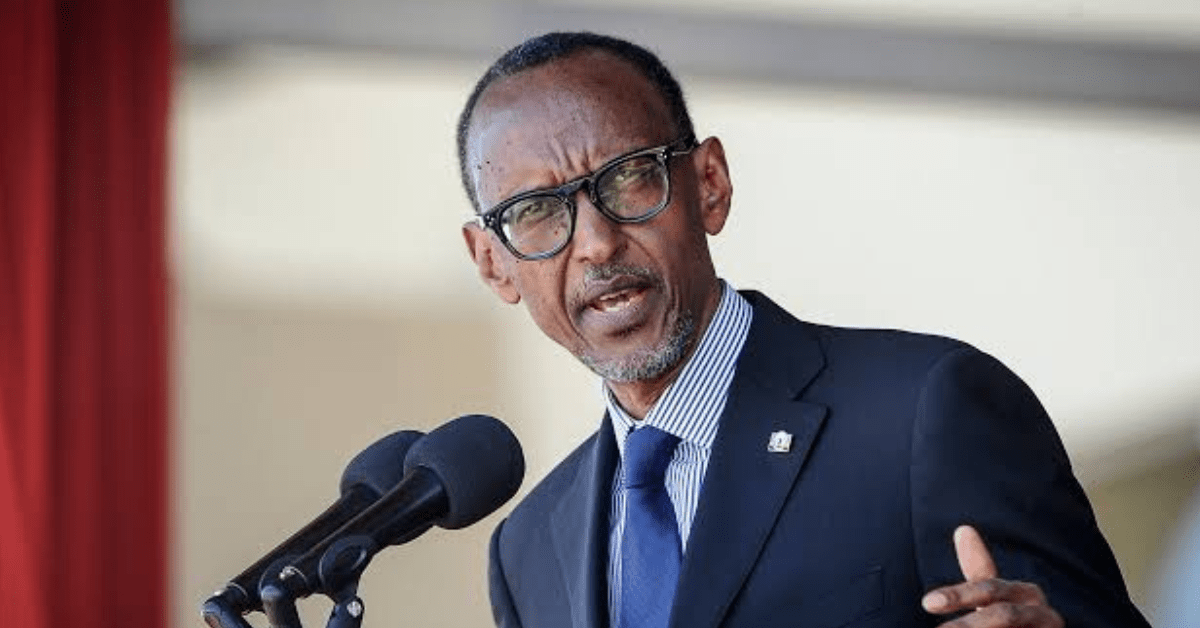
Rwanda is making a bold move to dominate Africa’s artificial intelligence space, and the rest of the continent is struggling to keep up.
Despite having a population smaller than Lagos, the East African nation has secured one of the continent’s most significant AI partnerships. The government signed a landmark deal with Anthropic, placing Rwanda at the center of Africa’s emerging AI economy.
On February 17, 2026, Anthropic formalised a three-year Memorandum of Understanding with Rwanda. The company, valued at approximately $380 billion and known for its Claude AI models, described the agreement as its first structured, multi-sector government partnership in Africa.
This move did not happen by chance. Instead, Rwanda positioned itself as a ready and reliable partner for global AI leaders.
Weeks earlier, OpenAI teamed up with the Bill & Melinda Gates Foundation to commit $50 million toward integrating AI into Rwanda’s healthcare system. That deal focused on funding and immediate impact. Meanwhile, Anthropic’s agreement targets broader national transformation across multiple sectors.
Together, these partnerships send a strong signal. Rwanda is not experimenting with AI, it is building a long-term strategy around it.
Interestingly, Africa’s largest and most influential economies did not secure this level of engagement. Countries like Nigeria, with over 200 million people, have long positioned themselves as tech leaders. Similarly, South Africa offers advanced financial systems and research infrastructure. At the same time, Kenya continues to attract global attention as the “Silicon Savannah.”
However, none of them landed this kind of foundational AI partnership—at least not yet.
So, why Rwanda?
First, the country has built a reputation for decisive governance and policy execution. Investors often prioritise stability and clarity over market size. Rwanda delivers both. In addition, its leadership has consistently embraced digital transformation, making it easier for global tech firms to deploy ambitious projects.
Moreover, Rwanda moves faster than many larger economies. While others debate regulation and infrastructure gaps, Kigali acts. This speed gives companies like Anthropic confidence to test and scale innovations quickly.
The implications are significant. Africa’s AI future may not belong to the biggest markets. Instead, it could favor countries that act early, align policy with innovation, and create environments where technology can scale without friction.
For now, Rwanda has taken the lead. The real question is whether other African nations will respond,or continue watching from the sidelines.