Physical Address
304 North Cardinal St.
Dorchester Center, MA 02124
Physical Address
304 North Cardinal St.
Dorchester Center, MA 02124

Amplifying African Entrepreneurs voices, one story at a time
Amplifying African Entrepreneurs voices, one story at a time
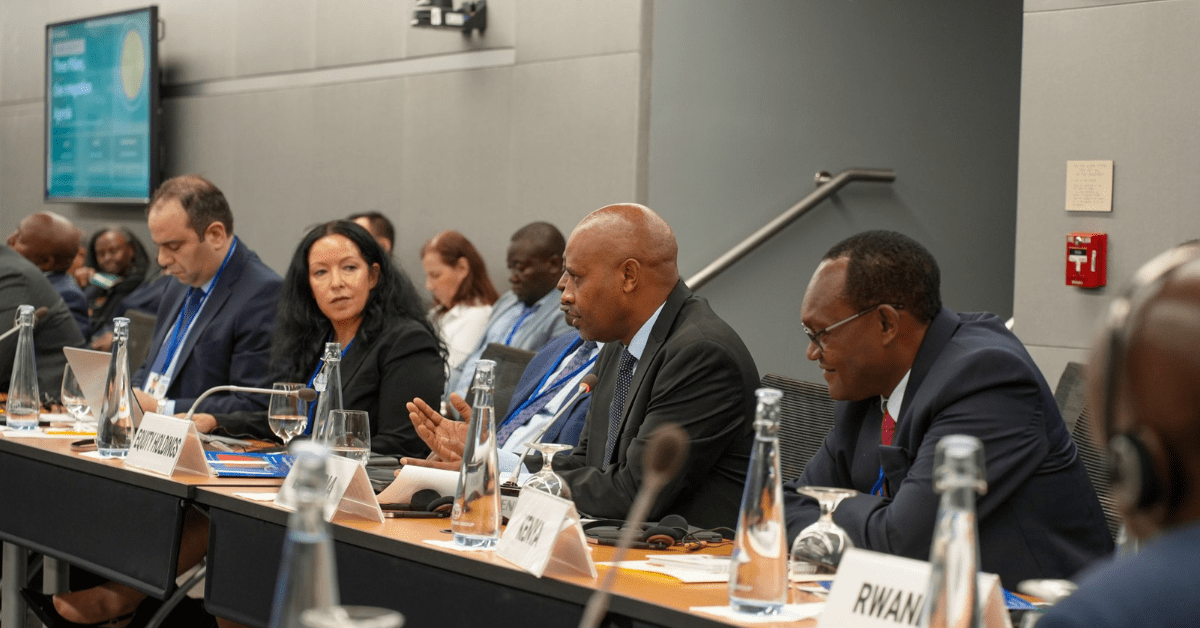
African countries have been urged to confront long-standing fears around trading with one another, as momentum builds for deeper continental integration. The call was made by Ethiopia’s central bank governor during a high-level policy discussion focused on Africa’s economic future.
Speaking at the “Three Pillars, One Integration Agenda” forum, H.E. Dr. Eyob Tekalign stressed that a mindset shift is critical. He argued that hesitation has slowed progress, even though frameworks already exist to boost intra-African trade.
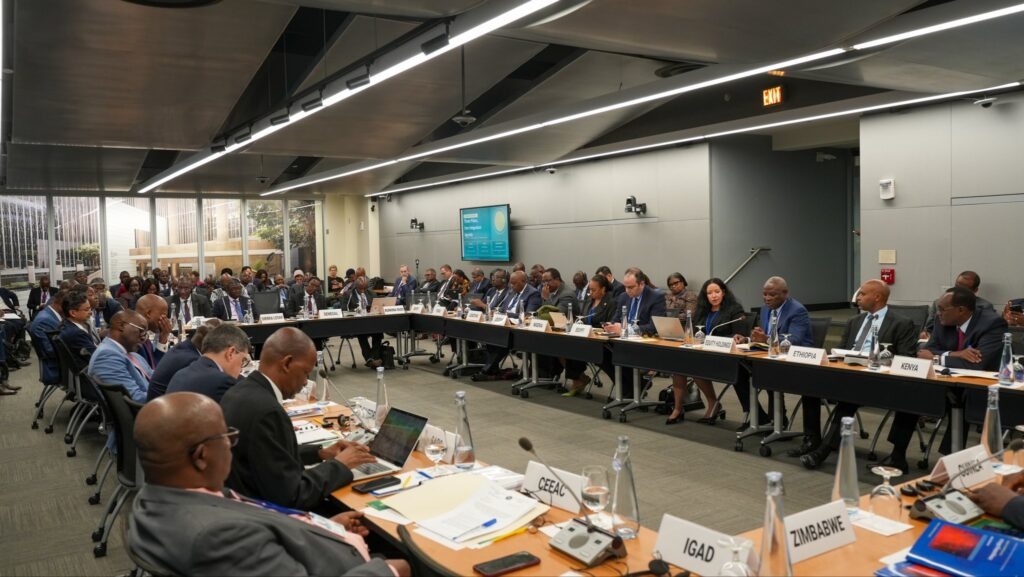
Moreover, he pointed to key initiatives such as the African Continental Free Trade Area, the Single African Air Transport Market, and the Free Movement Protocol. According to him, these structures provide a strong foundation. However, their full benefits will only emerge when countries act with confidence and coordination.
He explained that African economies must move beyond caution. Instead, governments should actively promote trade across borders. In addition, he emphasized that trust between nations will accelerate economic transformation.
Furthermore, Dr. Eyob highlighted the importance of connectivity. Efficient transport systems and improved logistics remain essential. Without them, trade costs will stay high and opportunities will remain limited.
At the same time, he called for the removal of trade barriers. Simplifying customs processes and reducing restrictions will encourage businesses to expand across African markets. As a result, local industries can grow and compete globally.
Equally important, he stressed the need for the free movement of people. When professionals, entrepreneurs, and workers move easily, innovation and investment increase. This mobility, he noted, forms a key pillar of sustainable growth.
Meanwhile, analysts say Africa stands at a critical turning point. With AfCFTA gaining traction, the continent has a unique chance to reshape its economic future. Yet, progress will depend on political will and regional cooperation.
TTYBrand Africa reports that stakeholders across the continent are now pushing for practical implementation. While policies exist, execution remains uneven. Therefore, stronger partnerships between governments and private sectors are required.
Ultimately, the message was clear. Africa has the tools to succeed, but action must follow ambition. By embracing intra-African trade, countries can unlock new growth pathways and reduce dependence on external markets.