Physical Address
304 North Cardinal St.
Dorchester Center, MA 02124
Physical Address
304 North Cardinal St.
Dorchester Center, MA 02124

Amplifying African Entrepreneurs voices, one story at a time
Amplifying African Entrepreneurs voices, one story at a time
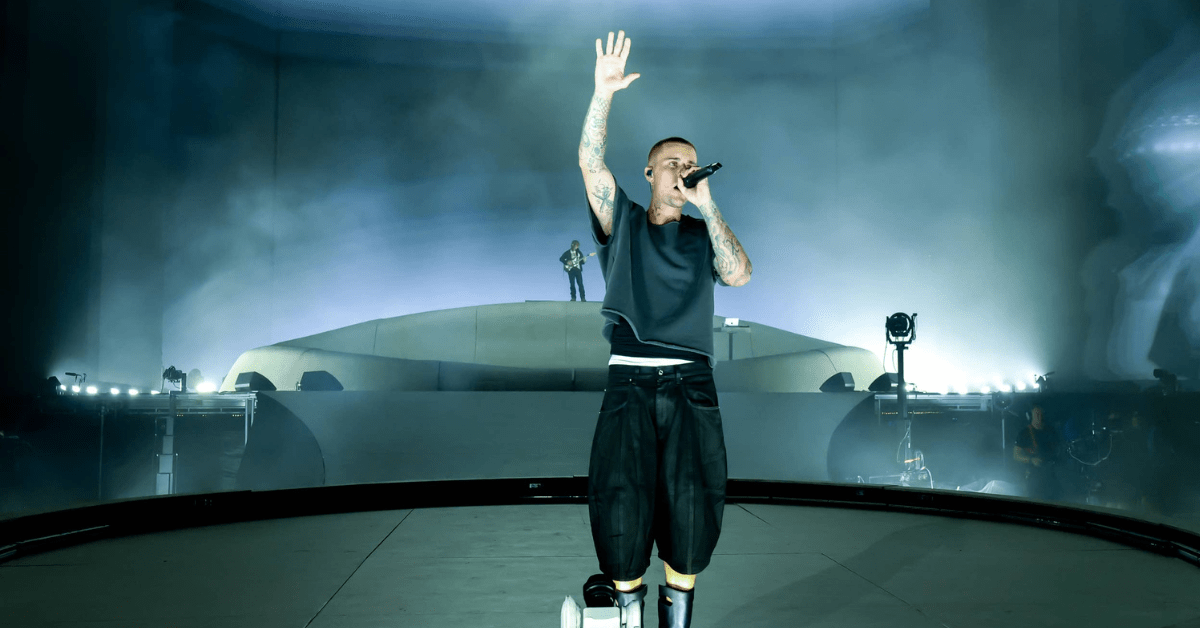
The 2026 edition of Coachella Music Festival delivered more than music and performances. It ignited a cultural and commercial wave powered by Justin Bieber. Fans quickly renamed the experience “Bieberchella,” reflecting his overwhelming influence across the festival grounds.
Although many expected a musical comeback, what unfolded was a retail phenomenon. Bieber’s fashion label, Skylrk, generated over $5 million in merchandise sales during the first weekend alone.
A Comeback That Redefined Festival Economics
After nearly four years away from touring, Bieber returned to headline Coachella on April 11, 2026. His performance attracted massive global attention. Reports indicate he earned approximately $10 million for two weekend sets, placing him among the festival’s highest-paid performers.
At the same time, ticket demand surged. Organizers confirmed that passes sold out within a week of the lineup announcement. Clearly, his return drove both cultural buzz and economic impact.
However, the biggest story unfolded beyond the stage.
Skylrk Breaks Records With $5.04 Million in Sales
Skylrk achieved $5.04 million in merchandise sales in just one weekend. This figure surpassed Coachella’s previous total merchandise record of $1.7 million across two weekends.
Several distribution channels contributed to this success. The brand sold items through its official website, festival merch tents, and a dedicated retail space near the “Skylrk Oasis.” As a result, fans could purchase both on-site and online without restrictions.
This hybrid strategy boosted accessibility while maintaining exclusivity. Consequently, products sold out rapidly, reinforcing demand and hype.
Why Artist Merchandise Is Winning
While traditional retail faces slower growth, artist-driven merchandise continues to outperform expectations. According to industry insights, several factors explain this shift.
First, merchandise creates identity. Fans wear products to show loyalty and belonging.
Second, emotional connection plays a major role. Music ties deeply to personal experiences, making merchandise more meaningful.
Additionally, scarcity increases demand. Limited drops encourage urgency and drive quick purchases.
Moreover, fans see merchandise as direct support for artists. Unlike streaming revenue, merch sales deliver clearer financial impact.
Finally, social status influences buying behavior. Owning rare items elevates fan credibility within communities.
Together, these elements transform merchandise into cultural currency rather than simple products.
The Strategy Behind Skylrk’s Rise
Bieber officially launched Skylrk in July 2025, but development started much earlier. Throughout 2024, he and Hailey Bieber wore the brand publicly, building anticipation before its debut.
The brand operates under a focused creative structure. Neima Khaila leads creative direction, while Finn Rush-Taylor handles design. Bieber retains final control, ensuring authenticity and alignment with his vision.
This ownership model provides a major advantage. Industry experts note that merchandise remains one of the few revenue streams fully controlled by artists.
Beyond sales, Skylrk achieved strong media and digital growth. The brand generated $2.3 million in media impact value and recorded notable social media expansion following the festival weekend.
Lessons for Brands and Artists
Skylrk’s performance highlights a new blueprint for success.
A strong audience matters more than product volume. Engaged fans can drive massive demand instantly.
Timing also plays a critical role. Launching limited drops during major cultural events increases conversions.
Furthermore, ownership unlocks profitability. Artists who control their merchandise gain both financial and creative freedom.
Experts now consider merchandise essential rather than optional. It provides stable income in a competitive music industry.
A Shift in Global Retail Dynamics
The global fashion industry continues to face uncertainty due to economic pressures and changing consumer behavior. Yet, artist-led brands like Skylrk are thriving.
They rely on community, storytelling, and direct engagement rather than traditional retail cycles. This approach resonates strongly with modern consumers.
As Coachella’s second weekend unfolds, Skylrk expands its online reach. Therefore, its sales momentum could extend far beyond the festival.
“Bieberchella” now represents more than a nickname. It signals a transformation where music, culture, and commerce intersect powerfully.