Physical Address
304 North Cardinal St.
Dorchester Center, MA 02124
Physical Address
304 North Cardinal St.
Dorchester Center, MA 02124

Amplifying African Entrepreneurs voices, one story at a time
Amplifying African Entrepreneurs voices, one story at a time
Nigeria’s agritech sector has attracted millions of dollars in recent years, yet most startups in the industry disappear before they gain lasting traction. While investors continue to back farming technology, the reality on the ground tells a different story. For many rural farmers, survival matters more than digital innovation.
That gap between startup ideas and farmer priorities explains why nearly 90% of Nigerian agritech ventures fail within five years.
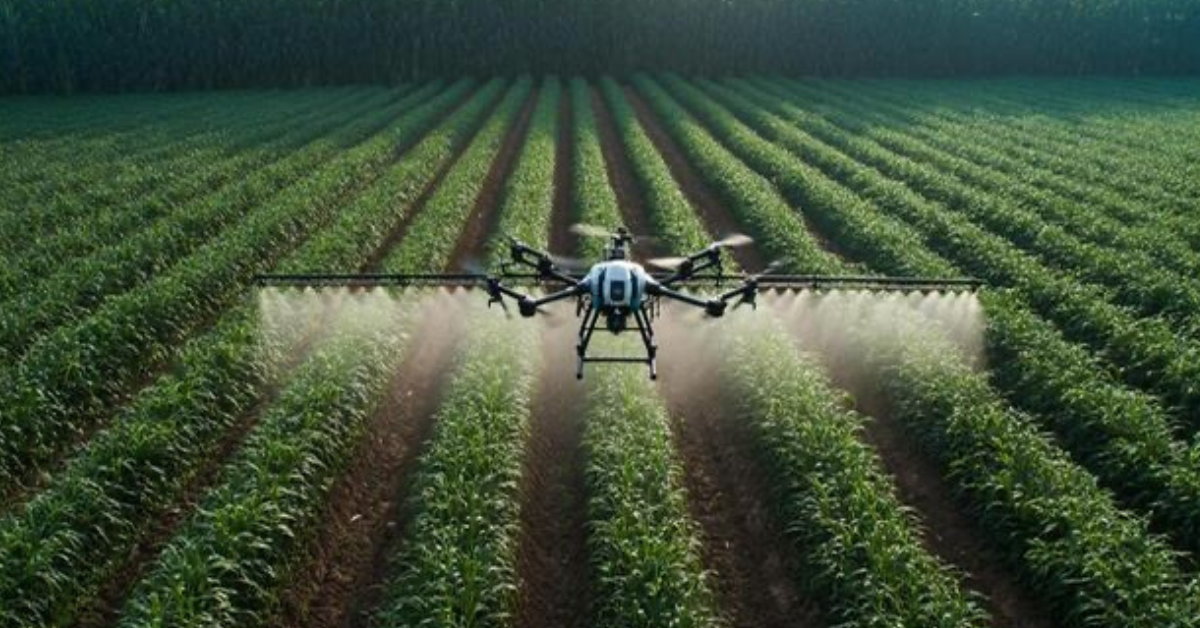
When many founders enter agriculture, they often imagine drones, mobile apps, climate tools, and digital marketplaces transforming rural communities. However, farmers usually ask for something simpler and more urgent — money, market access, and stable income.
That demand is not resistance to progress. Instead, it reflects economic reality.
Nigeria has around 73 million hectares of arable land, and agriculture contributes roughly 24% of GDP. On paper, this should make the country one of Africa’s biggest agritech success stories. Yet the sector remains difficult because most farmers operate small subsistence farms, often on less than two hectares of land.
As a result, many foreign-style startup models fail immediately.
Several Nigerian agritech founders copy systems built for large mechanised farms in North America or Europe. They then try to apply those same models in rural Nigeria, where internet access is limited, electricity remains unstable, and roads increase transport costs.
Consequently, even strong technology products struggle to scale.
In many farming communities, rural internet penetration stays below 30%. At the same time, extension officers remain too few, leaving thousands of farmers without professional guidance. Poor roads delay produce movement, while erratic electricity makes storage and processing more expensive.
Because of these barriers, digital-first agritech products often collapse before reaching profitability.
Funding also creates another major problem.
Many investors chase rapid expansion instead of sustainable growth. Startups then subsidise transactions, burn through capital, and hope future scale will solve losses. Unfortunately, when fresh funding stops, many businesses shut down.
Nigeria witnessed this during the crowdfunding farm investment trend, where several unverified projects failed and damaged trust across the sector.
Government policy issues have also slowed progress.
The Anchor Borrowers’ Programme aimed to support farmers with cheaper loans and farm inputs. However, weak monitoring, insecurity, flooding, and political interference reduced success rates. Many intended beneficiaries struggled, while repayment performance stayed low.
Moreover, sudden policy changes in finance and regulation have disrupted fintech-agritech businesses trying to offer loans and inputs together.
Land ownership remains another hidden crisis.
Many farmers cultivate land they do not legally own. Therefore, they avoid long-term investments like irrigation systems, soil improvement, and mechanisation. Without secure land rights, productivity growth becomes difficult.
Still, the market has shown what works.
Farmers respond positively to solutions that deliver quick income, simple tools, training, and direct access to buyers. Offline-first systems perform better because connectivity remains weak. Products that require little digital literacy also gain stronger adoption.
Most importantly, farmers need visible value within one harvest cycle.
That is why some West African hybrid models combining finance, inputs, and extension support have recorded better results than pure software businesses.
For Nigeria to build successful agritech companies, three groups must rethink strategy.
Investors need patience because agriculture runs on planting and harvest cycles, not software timelines. Founders must solve real farmer problems instead of chasing trendy innovation. Policymakers must improve roads, power, land reform, and extension services.
Without those basics, technology alone cannot rescue agriculture.
Nigeria’s agritech opportunity remains massive, but success will only come when startups stop building products farmers did not request.
The future belongs to companies that help farmers earn more money now, not those selling distant promises.