Physical Address
304 North Cardinal St.
Dorchester Center, MA 02124
Physical Address
304 North Cardinal St.
Dorchester Center, MA 02124

Amplifying African Entrepreneurs voices, one story at a time
Amplifying African Entrepreneurs voices, one story at a time
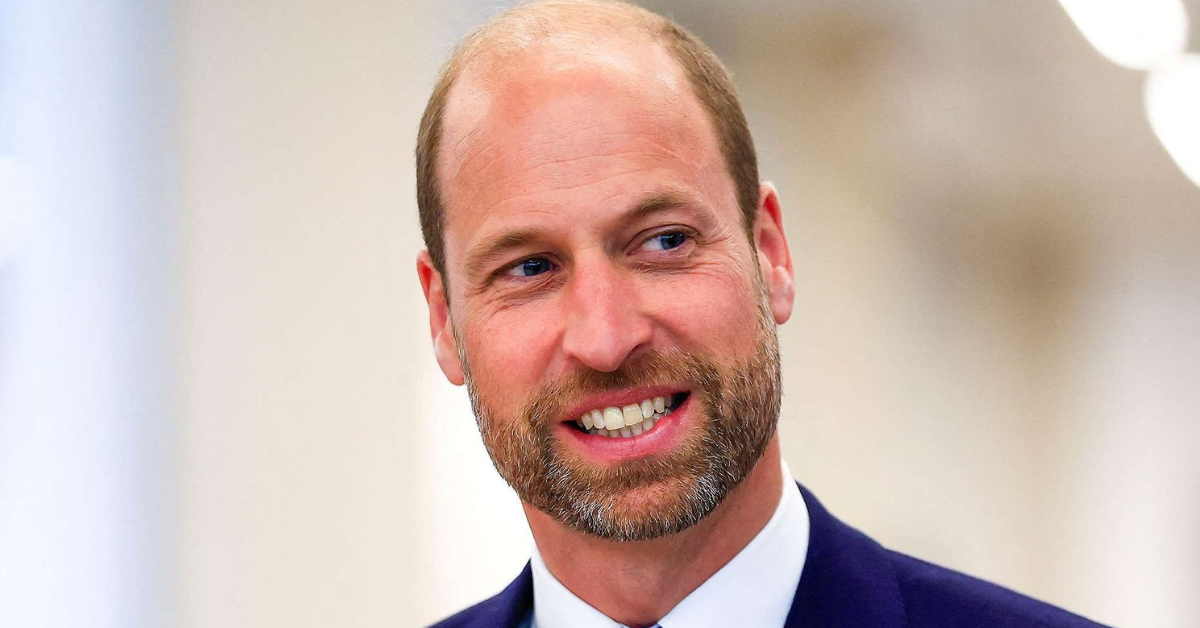
Britain’s future king is preparing for one of the biggest royal estate transformations in modern history. Prince William plans to sell parts of the historic Duchy of Cornwall over the next decade to finance a massive £500 million ($670 million) investment strategy aimed at affordable housing, sustainability, and community development.
According to reports from The Sunday Times, the move could see nearly 20% of the Duchy’s holdings sold or restructured as the royal estate shifts toward long-term social and environmental impact. The Duchy of Cornwall remains one of Britain’s most powerful land portfolios. It controls vast rural land, commercial spaces, residential properties, and agricultural assets across the country.
The decision marks a major turning point for the British monarchy’s financial strategy. Instead of focusing solely on preserving inherited assets, Prince William now wants the estate to operate with stronger community impact and environmental responsibility.
The Duchy of Cornwall dates back to 1337 when King Edward III created it to provide income for the heir to the British throne. Today, the estate functions as both a land management organization and investment vehicle tied directly to the Prince of Wales.
Will Bax, chief executive of the Duchy, said the ambitious vision requires major financial restructuring. He explained that the organization wants to create positive change in communities where it can make the biggest difference. As a result, the estate will rebalance parts of its portfolio to unlock long-term funding opportunities.
The funding package will reportedly combine capital reinvestment, development income, strategic partnerships, and selective borrowing. That strategy reflects Prince William’s growing influence over the estate since inheriting it in 2022 following the ascension of King Charles III to the throne.
Prince William earned more than £20 million in private income from the Duchy last year. However, both William and King Charles have faced mounting criticism over how royal estates generate revenue. In 2024, investigations and documentaries accused the estates of profiting from public institutions, including schools, hospitals, and military properties through rental charges and lease agreements.
The backlash forced the Duchy to reduce rents for several charity and community organizations. Since then, Prince William has pushed for reforms designed to modernize the estate’s public image while aligning it with climate-conscious and socially responsible goals.
Environmental sustainability now sits at the center of the Duchy’s future plans. The estate has already launched environmentally sustainable neighborhood projects and pledged to achieve net-zero carbon operations by 2032. Those initiatives closely reflect Prince William’s long-standing interest in climate advocacy and environmental philanthropy.
Royal analysts believe the new investment strategy could redefine how younger generations view the monarchy. Instead of symbolizing inherited wealth alone, the Duchy could become a model for community-driven investment and sustainable development.
The move also arrives during a period when royal institutions across Europe face increasing pressure to demonstrate transparency, social value, and economic relevance. Prince William’s latest strategy appears designed to answer those concerns directly.
For Britain’s royal family, this is no ordinary land sale. It represents a calculated attempt to modernize centuries-old wealth for a rapidly changing world.Britain’s future king is preparing for one of the biggest royal estate transformations in modern history. Prince William plans to sell parts of the historic Duchy of Cornwall over the next decade to finance a massive £500 million ($670 million) investment strategy aimed at affordable housing, sustainability, and community development.
According to reports from The Sunday Times, the move could see nearly 20% of the Duchy’s holdings sold or restructured as the royal estate shifts toward long-term social and environmental impact. The Duchy of Cornwall remains one of Britain’s most powerful land portfolios. It controls vast rural land, commercial spaces, residential properties, and agricultural assets across the country.
The decision marks a major turning point for the British monarchy’s financial strategy. Instead of focusing solely on preserving inherited assets, Prince William now wants the estate to operate with stronger community impact and environmental responsibility.
The Duchy of Cornwall dates back to 1337 when King Edward III created it to provide income for the heir to the British throne. Today, the estate functions as both a land management organization and investment vehicle tied directly to the Prince of Wales.
Will Bax, chief executive of the Duchy, said the ambitious vision requires major financial restructuring. He explained that the organization wants to create positive change in communities where it can make the biggest difference. As a result, the estate will rebalance parts of its portfolio to unlock long-term funding opportunities.
The funding package will reportedly combine capital reinvestment, development income, strategic partnerships, and selective borrowing. That strategy reflects Prince William’s growing influence over the estate since inheriting it in 2022 following the ascension of King Charles III to the throne.
Prince William earned more than £20 million in private income from the Duchy last year. However, both William and King Charles have faced mounting criticism over how royal estates generate revenue. In 2024, investigations and documentaries accused the estates of profiting from public institutions, including schools, hospitals, and military properties through rental charges and lease agreements.
The backlash forced the Duchy to reduce rents for several charity and community organizations. Since then, Prince William has pushed for reforms designed to modernize the estate’s public image while aligning it with climate-conscious and socially responsible goals.
Environmental sustainability now sits at the center of the Duchy’s future plans. The estate has already launched environmentally sustainable neighborhood projects and pledged to achieve net-zero carbon operations by 2032. Those initiatives closely reflect Prince William’s long-standing interest in climate advocacy and environmental philanthropy.
Royal analysts believe the new investment strategy could redefine how younger generations view the monarchy. Instead of symbolizing inherited wealth alone, the Duchy could become a model for community-driven investment and sustainable development.
The move also arrives during a period when royal institutions across Europe face increasing pressure to demonstrate transparency, social value, and economic relevance. Prince William’s latest strategy appears designed to answer those concerns directly.
For Britain’s royal family, this is no ordinary land sale. It represents a calculated attempt to modernize centuries-old wealth for a rapidly changing world.