Physical Address
304 North Cardinal St.
Dorchester Center, MA 02124
Physical Address
304 North Cardinal St.
Dorchester Center, MA 02124

Amplifying African Entrepreneurs voices, one story at a time
Amplifying African Entrepreneurs voices, one story at a time
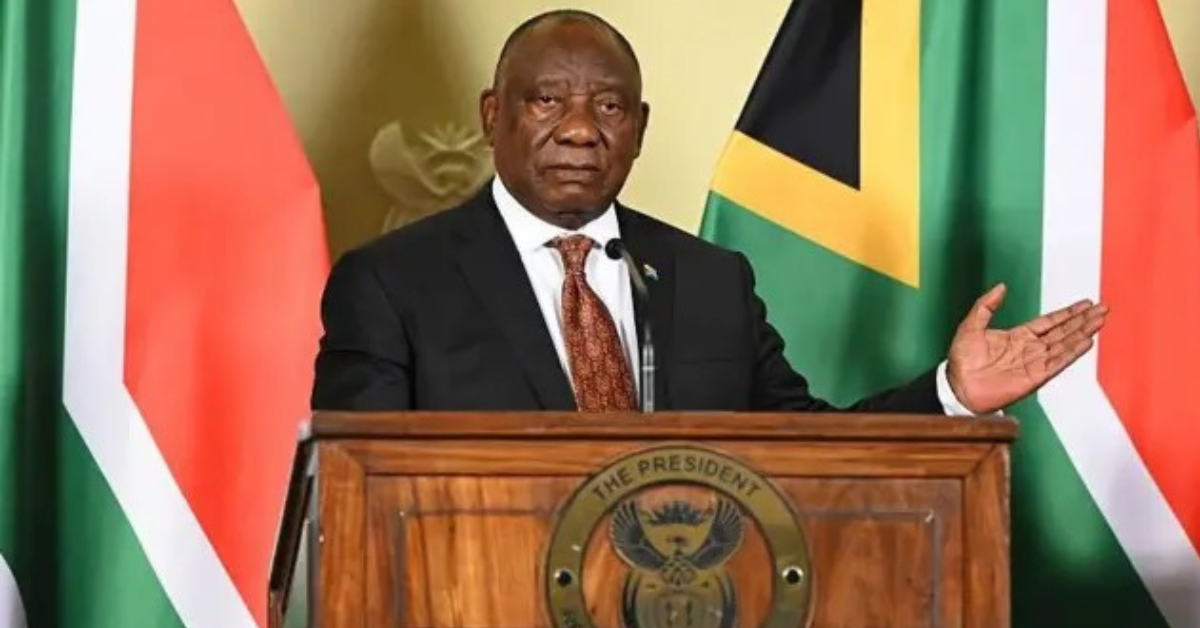
South African President Cyril Ramaphosa has delivered one of his strongest public messages yet on the country’s ongoing immigration debate, firmly rejecting xenophobia while warning against unlawful attempts by citizens and groups to police immigration matters on their own.
Speaking amid growing concerns surrounding illegal immigration and rising tensions in several communities, Ramaphosa stressed that no individual has the authority to stop people in public spaces and demand proof of identity or immigration status.
The president made it clear that immigration enforcement remains the responsibility of lawful authorities and government institutions. He cautioned against actions that undermine the rule of law and threaten social stability.
According to Ramaphosa, South Africa must remain committed to the values of equality, dignity, and human rights. He emphasized that South Africans are not inherently xenophobic and insisted that there is no place in the country for xenophobia, racism, sexism, Afrophobia, or any form of intolerance.
His remarks arrive at a time when immigration has become one of South Africa’s most debated political and social issues. Rising unemployment, economic pressures, and concerns about public services have intensified discussions around undocumented migration and border management.
However, Ramaphosa warned that some individuals and organizations are exploiting these concerns to advance political, personal, and criminal agendas. He said such groups seek to create division and instability by encouraging lawlessness and violence.
The president urged communities not to participate in actions that target foreign nationals or undermine social cohesion. Instead, he called for lawful solutions that address immigration challenges while preserving peace and national unity.
“We will and must not allow groups to use the legitimate concerns of South Africans to destabilize our country through inciting lawlessness and violence,” Ramaphosa stated.
He also pledged government action against those who manipulate public frustrations over illegal immigration for their own interests. The administration, he said, will continue addressing immigration concerns through legal channels while protecting the rights and safety of everyone living within South Africa’s borders.
The statement reflects the government’s ongoing effort to balance stronger immigration management with constitutional protections and human rights obligations. It also highlights growing concerns about vigilante-style immigration enforcement, which authorities fear could escalate tensions and damage South Africa’s reputation as one of Africa’s most influential democracies.
As the immigration debate continues, Ramaphosa’s message signals a clear position from the presidency: concerns about illegal immigration must be addressed through lawful processes, not through intimidation, violence, or discrimination.
The remarks are likely to shape national discussions in the months ahead as policymakers, communities, and civil society groups search for solutions that strengthen border security while maintaining social harmony and protecting fundamental rights.