Physical Address
304 North Cardinal St.
Dorchester Center, MA 02124
Physical Address
304 North Cardinal St.
Dorchester Center, MA 02124

Amplifying African Entrepreneurs voices, one story at a time
Amplifying African Entrepreneurs voices, one story at a time
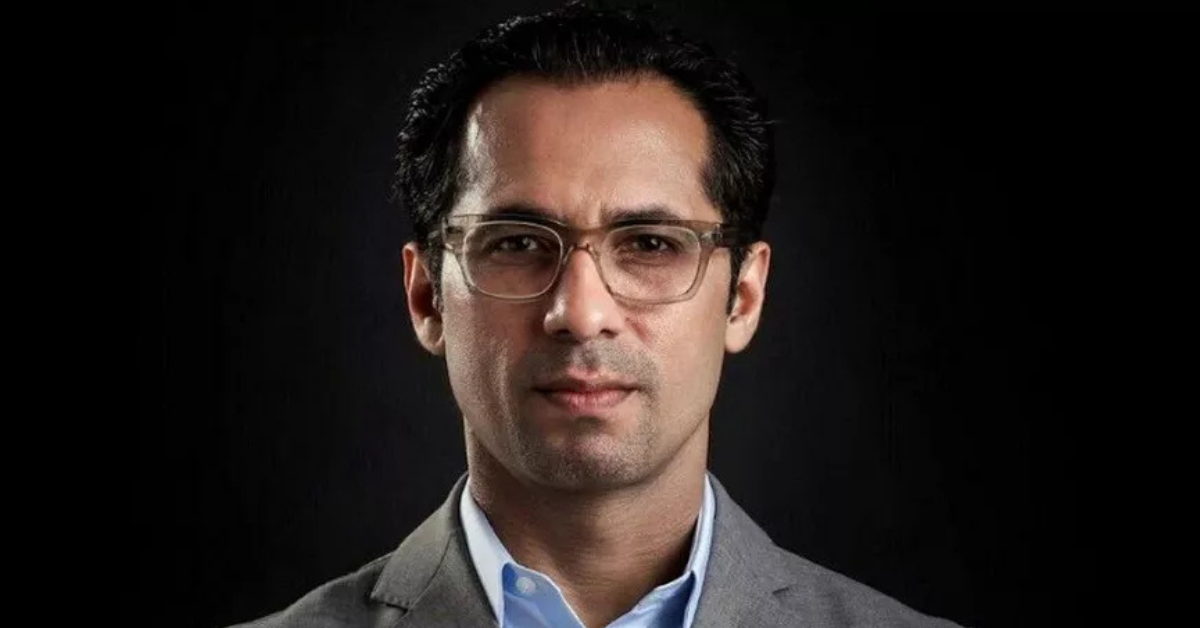
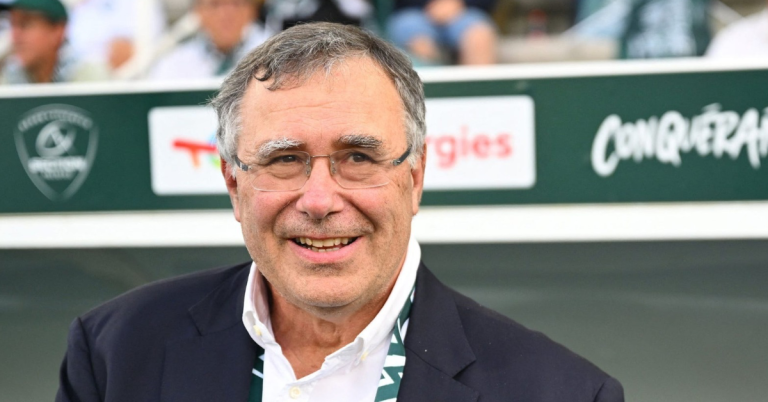
Tanzanian billionaire Mohammed Dewji is preparing to shake up East Africa’s beverage industry with a bold $50 million investment in Kenya. Through his conglomerate MeTL Group, Dewji plans to establish a major soft drinks manufacturing plant in Mombasa as he intensifies competition against The Coca-Cola Company and PepsiCo in one of Africa’s fastest-growing consumer markets.
The planned facility will manufacture MeTL’s flagship beverages, including Mo Cola, Mo Xtra, and Mo Malto. However, the company’s biggest weapon may not be flashy branding or celebrity campaigns. Instead, Dewji wants to win over consumers with affordability. MeTL reportedly plans to sell 300ml bottles of Mo Cola for about 15 Kenyan shillings, far below the average price of competing soft drinks that retail near 40 shillings.
That pricing strategy already transformed Tanzania’s beverage market. Now, Dewji wants to repeat the same success story in Kenya, where millions of low and middle-income consumers continue to search for cheaper alternatives amid rising living costs.
Speaking after attending the Africa Forward Summit in Nairobi, Dewji confirmed that the project has entered the planning stage. He revealed that MeTL already secured land in Mombasa and could begin construction within the next 12 months. The billionaire also disclosed plans for another manufacturing facility in Uganda as the company expands deeper into East and Southern Africa.
Known widely across the region as “Mo,” Dewji built one of Africa’s most influential indigenous business empires through aggressive expansion into manufacturing, agriculture, logistics, edible oils, textiles, beverages, and consumer goods. Beyond business, he previously served as a Tanzanian lawmaker and also owns Tanzanian football giant Simba SC.
According to Forbes, Dewji’s net worth stands at approximately $2.1 billion, making him one of Africa’s richest businessmen. His beverage empire continues to grow rapidly across markets including Uganda, Rwanda, Zambia, Malawi, Ethiopia, and the Democratic Republic of Congo.
The Mombasa project highlights Kenya’s growing importance as a strategic industrial and logistics hub for African billionaires and multinational corporations. The coastal city offers access to a deep-water port, regional transport links, and one of the continent’s most dynamic consumer populations.
Recently, Nigerian billionaire Aliko Dangote also identified Mombasa as a possible location for a proposed East African oil refinery worth between $15 billion and $17 billion. Investors increasingly see the city as a gateway to East Africa’s booming trade and manufacturing economy.
At the same time, global beverage giants continue to deepen their African footprint. The Coca-Cola Company pledged to invest nearly $1 billion in South Africa by 2030, while Pepsi bottling giant Varun Beverages recently expanded operations in Zimbabwe and South Africa.
Still, Dewji’s latest move signals something bigger happening across Africa’s consumer economy. African billionaires no longer want to simply distribute global products. Increasingly, they want to build regional brands capable of competing directly with multinational giants.
For MeTL Group, Kenya may become the company’s most important battleground yet. If Mo Cola succeeds in capturing Kenya’s price-sensitive mass market, Coca-Cola and Pepsi could face their strongest local competition in East Africa in years.
As Africa’s middle class expands and urban populations continue to rise, the race to dominate the continent’s beverage industry has entered a new phase. This time, local billionaires are stepping into the spotlight with ambitious investments, aggressive pricing, and homegrown brands designed specifically for African consumers.