Physical Address
304 North Cardinal St.
Dorchester Center, MA 02124
Physical Address
304 North Cardinal St.
Dorchester Center, MA 02124

Amplifying African Entrepreneurs voices, one story at a time
Amplifying African Entrepreneurs voices, one story at a time
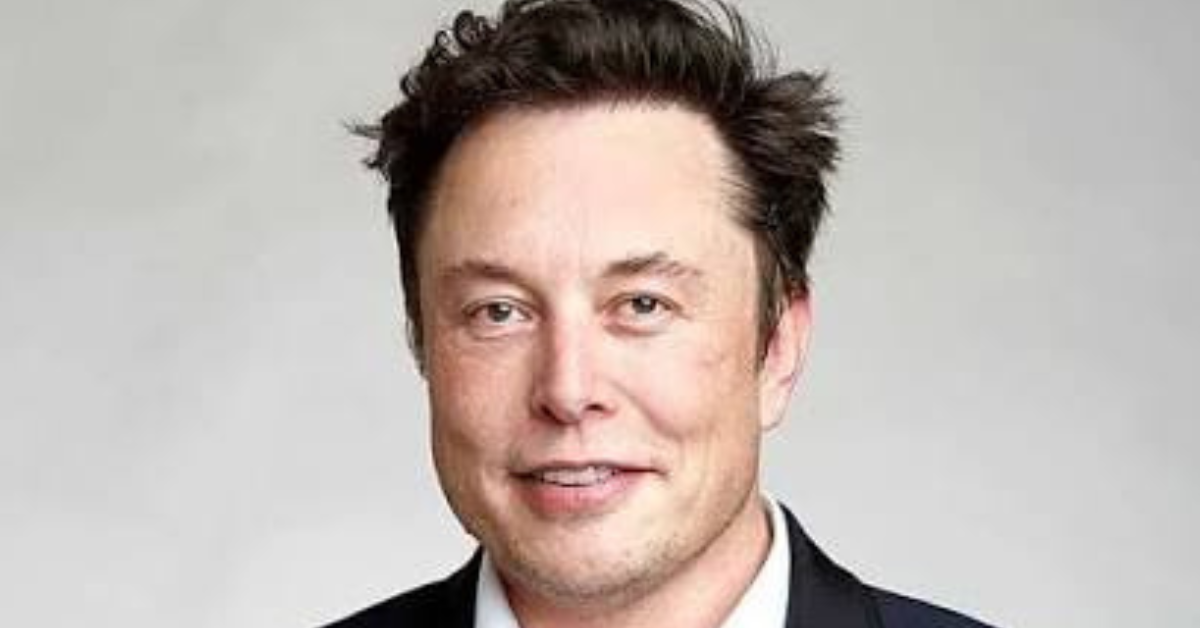
Africa’s three largest economies—Nigeria, Egypt, and South Africa—collectively generate economic output that now sits in rare comparison with the estimated $1.1 trillion fortune linked to Elon Musk.
The contrast highlights how modern tech wealth has scaled at a pace that even national economies struggle to match.
South Africa leads the continent with annual output estimated at roughly $470 billion to $480 billion. Egypt follows closely with about $430 billion to $440 billion. Nigeria contributes around $370 billion to $380 billion.
Together, their combined GDP reaches approximately $1.27 trillion to $1.30 trillion.
Musk’s estimated net worth, driven by major stakes in Tesla, SpaceX, xAI, and X, stands at around $1.1 trillion. The comparison places individual wealth nearly on par with the combined productive capacity of Africa’s three biggest economies.
The gap becomes clearer when broken down further. Musk’s fortune exceeds South Africa’s GDP by more than double. It is nearly three times Egypt’s annual output and close to three times Nigeria’s economy.
Yet economists stress that GDP and net worth measure entirely different forces. GDP tracks annual production, while net worth reflects accumulated asset value after liabilities.
Still, the scale remains striking. Africa is home to over 1.5 billion people, vast natural resources, and some of the world’s fastest-growing markets.
Yet its largest economies still face structural constraints that limit rapid expansion. At the same time, global capital continues to concentrate heavily in technology sectors.
This shift has accelerated the rise of trillion-dollar valuations. Investors continue to pour capital into artificial intelligence, space technology, and electric mobility. As a result, individual fortunes are growing faster than many national economies can expand.
The comparison does not suggest equivalence. However, it highlights how modern wealth creation has evolved. Technology-driven enterprises now operate on a scale that reshapes global financial perception.
For Africa, the moment presents both a challenge and an opportunity.
Economic reform, industrial expansion, and digital transformation could significantly shift future rankings. But for now, the contrast between sovereign economies and private wealth remains one of the most powerful illustrations of global inequality.