Physical Address
304 North Cardinal St.
Dorchester Center, MA 02124
Physical Address
304 North Cardinal St.
Dorchester Center, MA 02124

Amplifying African Entrepreneurs voices, one story at a time
Amplifying African Entrepreneurs voices, one story at a time
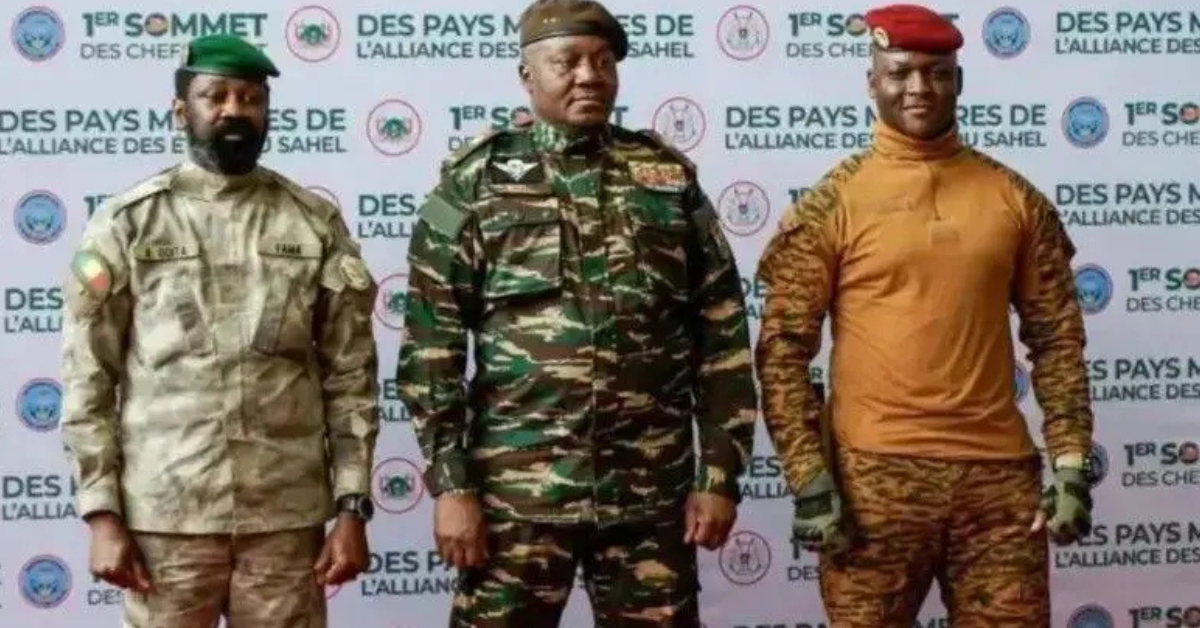
In a move that has sent ripples across the international justice community, Burkina Faso, Niger, and Mali have formally withdrawn from the International Criminal Court, prompting deep concerns about accountability for war crimes and human rights abuses across the volatile Sahel region.
The three West African nations, all currently under military rule, submitted their notices of withdrawal from the Rome Statute, the founding treaty of the ICC. According to the Presidency of the Assembly of States Parties, the court received Niger’s formal instrument of withdrawal on June 18, 2026—nine months after the country first signaled its intention to leave.
The withdrawals will take full effect one year after notification, but the countries remain bound by obligations for any prior investigations or proceedings.
This development marks another significant step in the Sahel trio’s push for greater sovereignty.
The same nations previously exited the Economic Community of West African States (ECOWAS) and formed the Alliance of Sahel States (AES), signaling a broader realignment away from traditional regional and international frameworks they view as tools of external influence. In joint statements, they have described the ICC as an “instrument of neo-colonialist repression.”
The ICC, headquartered in The Hague and established in 2002, was created to prosecute the most serious international crimes: genocide, crimes against humanity, war crimes, and the crime of aggression. Its mandate is designed to complement—not replace—national courts, stepping in only when states are unwilling or genuinely unable to deliver justice.
Human rights organizations have reacted with alarm. Marceau Sivieude, Amnesty International’s Regional Director for West and Central Africa, warned that the decision threatens to deny thousands of victims truth, justice, and reparations.
Amnesty International has documented numerous alleged crimes under international law against civilians in the three countries amid ongoing insurgencies by armed groups.
Yet the governments of Burkina Faso, Niger, and Mali argue that the ICC disproportionately targets leaders from less powerful nations while failing to address graver global injustices. They seek to assert control over their own security and justice processes as they battle persistent threats from jihadist and other armed factions that have destabilized large parts of the region.
A critical question now looms: Who will prosecute war crimes and atrocities in the Sahel going forward?
Under the Rome Statute, the three countries will continue to face scrutiny for any cases already under investigation, including ongoing probes related to Mali.
Even after withdrawal takes effect, they remain obligated to cooperate on pre-existing matters. Looking ahead, officials within the Alliance of Sahel States have floated ideas for a new regional judicial body, potentially a Sahel Criminal Court for Human Rights.
Individual nations may also strengthen their domestic courts to handle serious violations of international humanitarian law.
Analysts note that while national systems could theoretically fill the gap, many observers question whether military-led governments will prioritize impartial investigations—especially when their own forces stand accused in some incidents.
The ICC’s departure does not erase the scale of suffering: civilians continue to bear the brunt of daily violence, with reports of mass killings, torture, and displacement.
The Presidency of the Assembly of States Parties expressed regret over the withdrawals, emphasizing that disengagement risks undermining global efforts to end impunity. It urged the three nations to continue engaging constructively within the Assembly framework and highlighted their past contributions to the court’s work.
For the people of the Sahel, the real test lies in whether alternative justice mechanisms can deliver credible accountability. As conflicts rage on, the world watches to see if regional solutions can protect vulnerable populations or if this exit will further entrench cycles of violence and impunity.