Physical Address
304 North Cardinal St.
Dorchester Center, MA 02124
Physical Address
304 North Cardinal St.
Dorchester Center, MA 02124

Amplifying African Entrepreneurs voices, one story at a time
Amplifying African Entrepreneurs voices, one story at a time
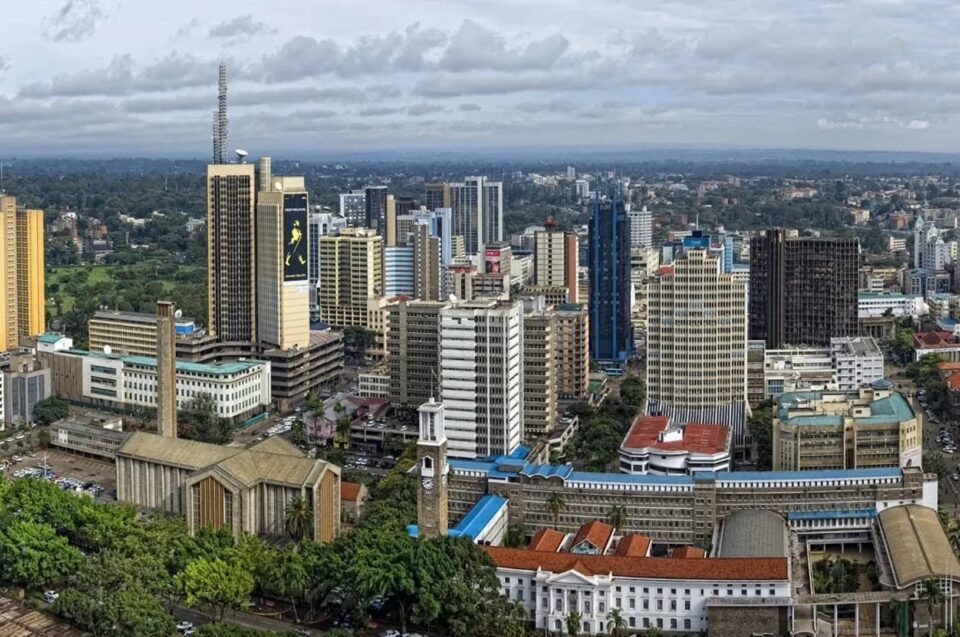
Angola has officially overtaken Kenya to become Africa’s sixth largest economy, according to the latest 2026 rankings released by the International Monetary Fund, marking another major shift in the continent’s economic landscape.
The latest IMF figures show Angola’s Gross Domestic Product now stands at USD 152.35 billion, pushing the Southern African oil-rich nation ahead of Kenya, whose GDP rose to USD 147.26 billion despite steady growth over recent months. Earlier projections from late 2025 had placed Kenya ahead of both Angola and Ethiopia, however, the latest update signals a fresh economic reshuffle across Africa.
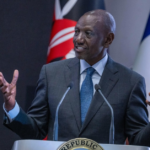
The development arrives at a sensitive moment for Kenya as rising fuel prices, cost-of-living concerns and mounting pressure from several sectors continue to test economic stability. Even so, President William Ruto has consistently defended his administration’s Bottom-Up Economic Transformation Agenda, popularly known as BETA, while highlighting Kenya’s economic progress on the continental stage.
During his State of the Nation Address, Ruto celebrated Kenya’s rise from the eighth to the sixth largest economy in Africa, crediting policy reforms, fiscal discipline and infrastructure investments for the country’s momentum. Nevertheless, the latest IMF rankings now place Angola back ahead.
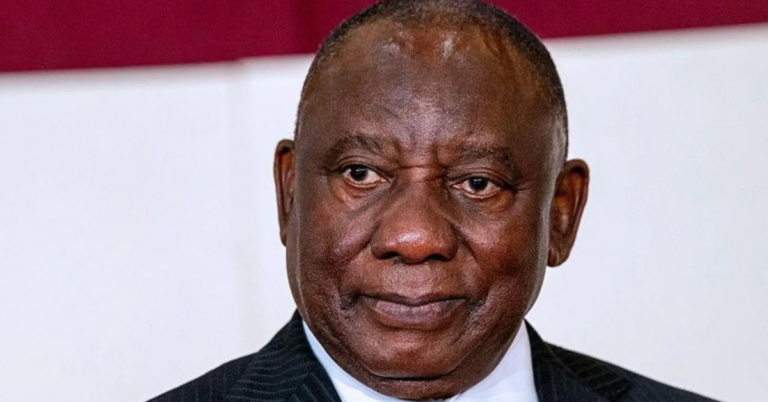
Meanwhile, South Africa remains Africa’s largest economy with a GDP of USD 479.96 billion despite weeks of political protests and economic uncertainty. The country still maintains a significant lead over the rest of the continent, with an economy nearly three and a half times larger than Kenya’s.
Egypt follows closely with a GDP of USD 429.65 billion, while Nigeria ranks third at USD 377.37 billion. Algeria occupies fourth place with USD 317.17 billion, and Morocco completes the top five with USD 194.33 billion.
Across East Africa, Kenya still leads the regional economic race despite dropping one place on the continental table. The Democratic Republic of the Congo follows with a GDP of USD 123.41 billion, narrowly ahead of Ethiopia at USD 121.53 billion.
Elsewhere, Tanzania recorded a GDP of USD 94.89 billion, while Uganda stands at USD 73.37 billion in the latest IMF assessment.
The latest ranking highlights how rapidly Africa’s economic order continues to evolve as governments across the continent battle inflation, energy costs, debt concerns and global market uncertainty. At the same time, countries rich in natural resources, energy exports and infrastructure investments continue to gain momentum in the race for economic dominance.