Physical Address
304 North Cardinal St.
Dorchester Center, MA 02124
Physical Address
304 North Cardinal St.
Dorchester Center, MA 02124

Amplifying African Entrepreneurs voices, one story at a time
Amplifying African Entrepreneurs voices, one story at a time
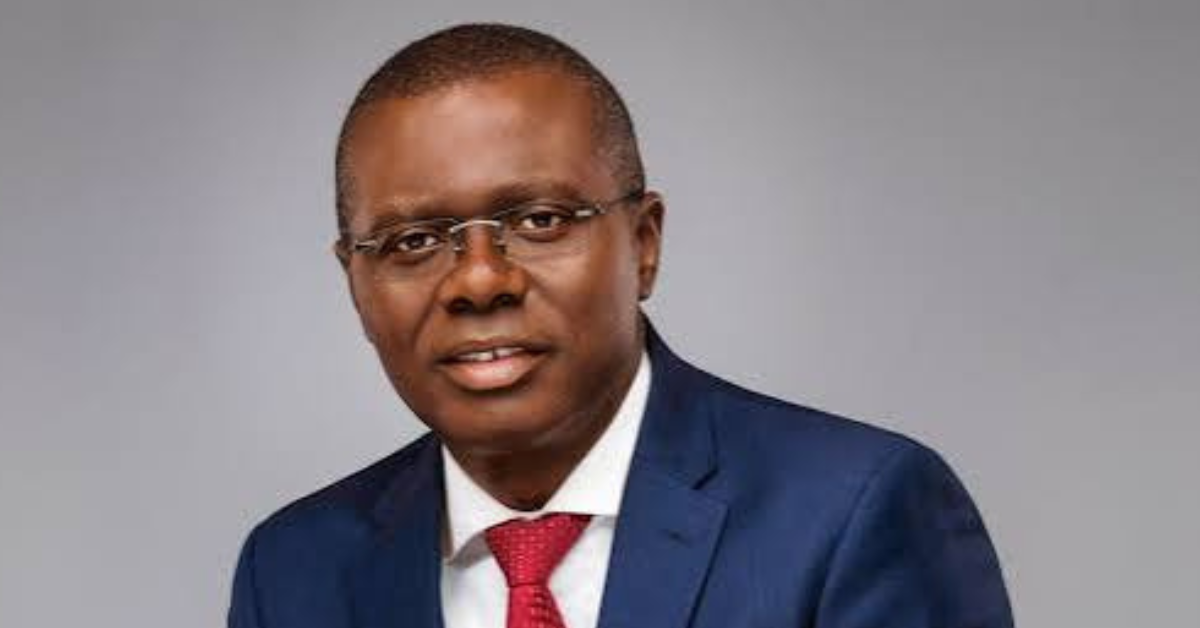
Lagos State has recorded a total revenue of N2.6 trillion in 2025, marking a strong 16 per cent rise from the N2.3 trillion generated in 2024.
The state government says improved tax reforms and digital systems drove the growth.
The Commissioner for Finance, Abayomi Oluyomi, announced the figures on Friday in Alausa, Ikeja.
He spoke during a briefing marking the seventh anniversary of Governor Babajide Sanwo-Olu’s administration.
He explained that internally generated revenue rose to N1.87 trillion in 2025. This represents an 18.5 per cent increase compared to N1.58 trillion recorded in 2024.
According to him, Lagos strengthened its fiscal base through reforms that improved tax compliance and simplified payments.
Tax revenue also recorded a major leap over the past two years. It increased from N678.13 billion in 2023 to N1.04 trillion in 2024.
ZzThis growth of 54.2 per cent pushed the Lagos State Internal Revenue Service above the N1 trillion mark for the first time.
In 2025, tax revenue climbed further to N1.44 trillion, showing a 38 per cent rise.
Oluyomi said the government focused on technology to drive this progress. The state expanded digital payment channels and improved accessibility for residents and businesses.
It upgraded mobile payments, POS systems, USSD services, WhatsApp integration, and online platforms.
Lagos also completed a full shift to electronic tax filing in 2023. Since then, the government has introduced more digital modules to strengthen efficiency and reduce bottlenecks.
These reforms helped widen the tax net and close revenue gaps.
He added that the Lagos State Internal Revenue Service continues to expand the tax base.
It also aims to sustain long-term growth and support the state’s rising infrastructure demands.
On fiscal stability, the commissioner said Lagos maintained a debt-service-to-revenue ratio of 19.2 per cent. This remains below the 30 per cent benchmark set by fiscal responsibility standards.
He also noted that the state’s debt-to-GDP ratio stands at 4.11 per cent, well under the 20 per cent threshold recommended by the World Bank.
Lagos continues to position itself as Nigeria’s economic powerhouse.
The latest revenue figures highlight stronger financial discipline, improved digital governance, and rising investor confidence in the state’s economy.