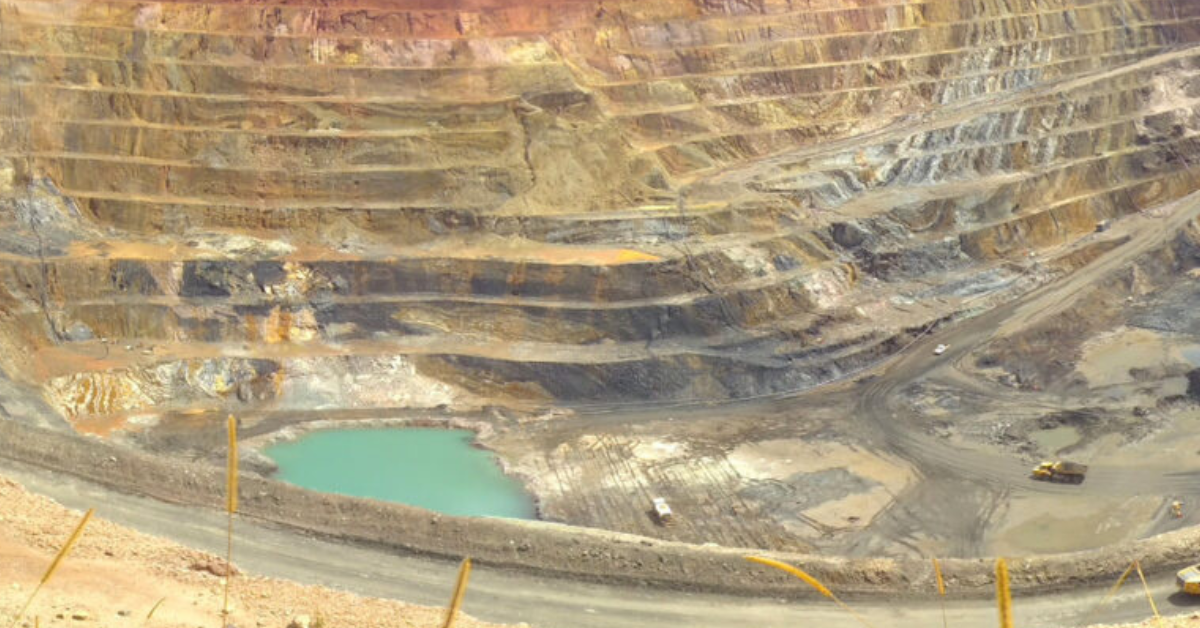
The Democratic Republic of the Congo is preparing a major expansion in copper exports to the United States, with plans to ship 500,000 metric tons through state-owned mining giant Gécamines SA. The new target marks a fivefold jump from the export pledge announced earlier this year and signals a new phase in the global race for Congo’s strategic minerals.
The move places the DRC at the center of growing competition between the United States and China for access to critical resources used in electric vehicles, renewable energy systems, and industrial manufacturing.
Jean-Claude Mputu, spokesperson for civil society coalition Le Congo n’est pas à vendre (CNPAV) and deputy director of Resource Matters, said the shift shows Congo’s ambition to directly benefit from its mineral wealth.
He explained that the Congolese government now appears ready to start exporting its own copper through Gécamines. At the same time, Washington’s push to secure more Congolese copper and reduce China’s dominance in the sector is gaining momentum.
However, Congo has not turned away from China. In March, both nations signed a fresh memorandum of understanding focused on mineral cooperation, proving Beijing remains a major economic partner despite growing American interest.
Still, activists have raised alarm over the lack of transparency surrounding the new export push. They argue that the public has seen little information about the contracts, bidding processes, or long-term impact on communities.
Mputu warned that Congo risks repeating the same corruption scandals that have shaped past mining deals, even if Western players replace Chinese investors. He added that secrecy and backroom negotiations could damage public trust and weaken reforms.
Environmental concerns are also increasing. Communities living near mining areas have repeatedly complained about pollution, unsafe conditions, and poor compensation. Critics say stronger copper production must not come at the cost of public health or local livelihoods.
Some reports indicate that part of the copper supply may come from southeastern Congo, including the Tenke Fungurume mine. The site is operated by a local unit of Chinese mining giant CMOC Group in partnership with Gécamines. Over the years, the mine has faced allegations linked to environmental damage and human rights abuses.
The new export strategy comes at a tense political moment. Since February 2025, parts of eastern Congo near the Rwanda border have remained under the control of the M23 armed group, which Kinshasa accuses Rwanda of backing.
In response, President Félix Tshisekedi turned to US President Donald Trump for mediation. Washington later hosted a peace agreement between Congo and Rwanda last December. The deal reportedly included a minerals framework designed to improve US access to Congo’s valuable resources.
American companies are already moving fast. In April, US-based Virtus Minerals signed a major agreement securing access to copper and cobalt deposits in southeastern Congo. Other firms are also studying opportunities in eastern Congo, where security risks remain high.
Meanwhile, the Congolese government has announced the creation of a dedicated mining guard, a paramilitary force assigned to protect mines and supply routes. Authorities referenced ties with the United States and the United Arab Emirates, though officials did not explain their exact role.
The development highlights a critical question for Africa’s richest mining nation: will soaring copper exports finally transform the lives of Congolese citizens, or will foreign powers and elites take most of the rewards once again?
As global demand for copper rises, Congo’s next decisions could shape not only its economy but also the future of Africa’s mining industry.