Physical Address
304 North Cardinal St.
Dorchester Center, MA 02124
Physical Address
304 North Cardinal St.
Dorchester Center, MA 02124

Amplifying African Entrepreneurs voices, one story at a time
Amplifying African Entrepreneurs voices, one story at a time
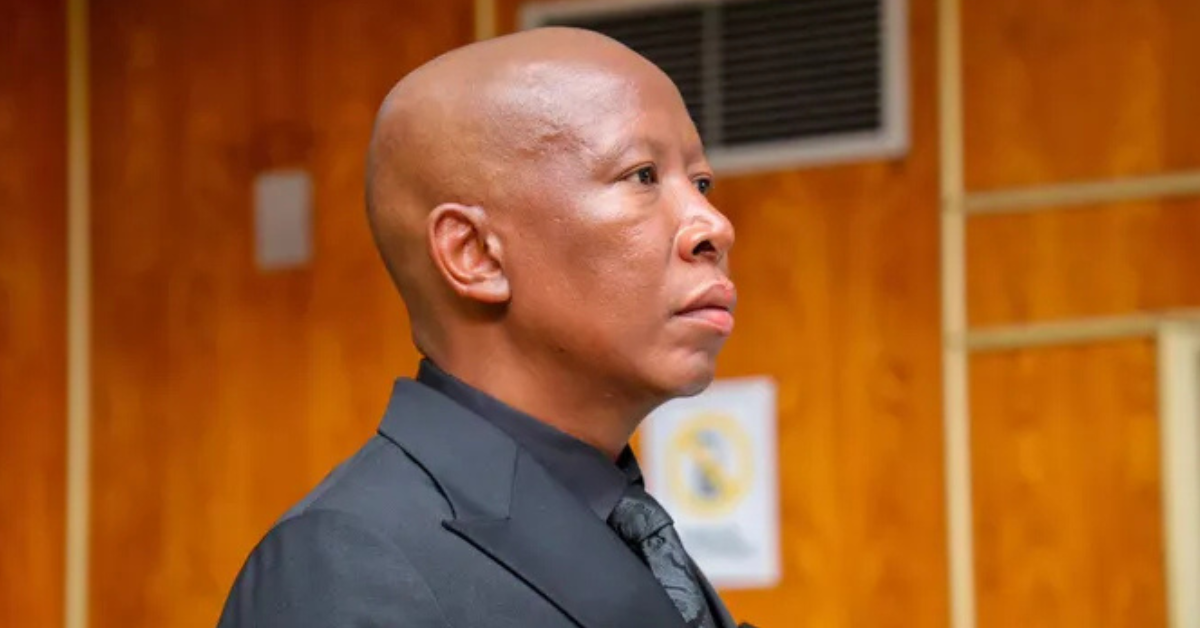
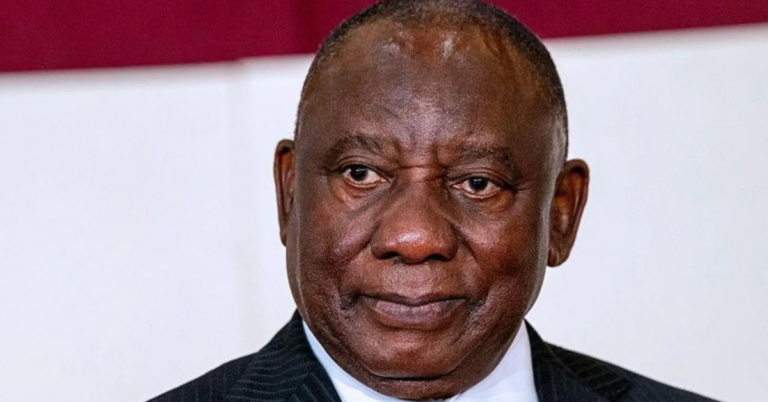
South African opposition leader Julius Malema has sparked fresh conversations across the continent after delivering a deeply emotional apology to Africans over recurring xenophobic violence in South Africa.
Speaking passionately about the country’s troubled relationship with fellow African nations, Malema urged Africans not to judge every South African by the actions of violent criminal groups.
He admitted that parts of South African society still struggle with the psychological scars left behind by apartheid and colonial conditioning.
“Africans, you are good people. Find it in your hearts to forgive us,” Malema said. “We are sorry, ashamed of ourselves, and we sincerely apologize for this madness.”
His comments come at a time when tensions around immigration, unemployment, and xenophobic attacks continue to dominate discussions in South Africa.
However, Malema shifted the focus toward history, gratitude, and African solidarity.
He reminded South Africans that many African countries opened their borders to anti-apartheid activists during some of the darkest years of white minority rule.
According to him, nations such as Nigeria, Zimbabwe, Mozambique, Zambia, Angola, Tanzania, Botswana, Lesotho, and others welcomed South African freedom fighters when they had nowhere else to turn.
Malema specifically recalled how apartheid forces attacked neighboring countries for sheltering liberation movements.
Yet, despite the violence and political pressure, those countries continued supporting the struggle against apartheid.
“The people of Lesotho were bombed and killed because they protected South Africans fighting apartheid,” he said. “Still, they never turned their backs on us.”
The emotional message quickly gained traction online, especially among Africans who have repeatedly criticized xenophobic violence in South Africa over the years.
Many social media users described the speech as one of Malema’s strongest calls for continental unity.
At the same time, the South African politician argued that decades of apartheid left behind dangerous ideas that still influence some citizens today.
He said many South Africans were raised to believe they were superior to the rest of Africa, a mindset he described as destructive and unacceptable.
“Some among us still think we are better than Africa,” Malema stated. “But we will soon realize we are nothing without this continent.”
His remarks also touched on the broader issue of African identity.
He urged South Africans to reconnect with the continent and remember the sacrifices other African nations made during the liberation struggle.
According to Malema, South Africans now have a responsibility to show gratitude instead of hostility toward African migrants and workers living in the country.
“We have no other home except Africa,” he added. “If things go wrong here, it is Africans who will receive us again.”
Across Africa, xenophobic attacks in South Africa have repeatedly triggered diplomatic tensions, particularly with Nigeria and Zimbabwe.
Several incidents over the years led to protests, business boycotts, and growing anger on social media.
Nevertheless, Malema’s latest comments may reopen conversations about reconciliation, Pan-Africanism, and the need for African governments to strengthen regional unity.
Political analysts believe the statement could also resonate strongly with younger Africans who increasingly support continental cooperation through trade, technology, business, and culture.
As debates continue online, many Africans now see Malema’s apology as both a political statement and a public challenge to South Africans to confront xenophobia directly.
For many observers, the message carried a simple but powerful reminder: Africa’s liberation history was built on solidarity, and its future may depend on rebuilding that same spirit again.