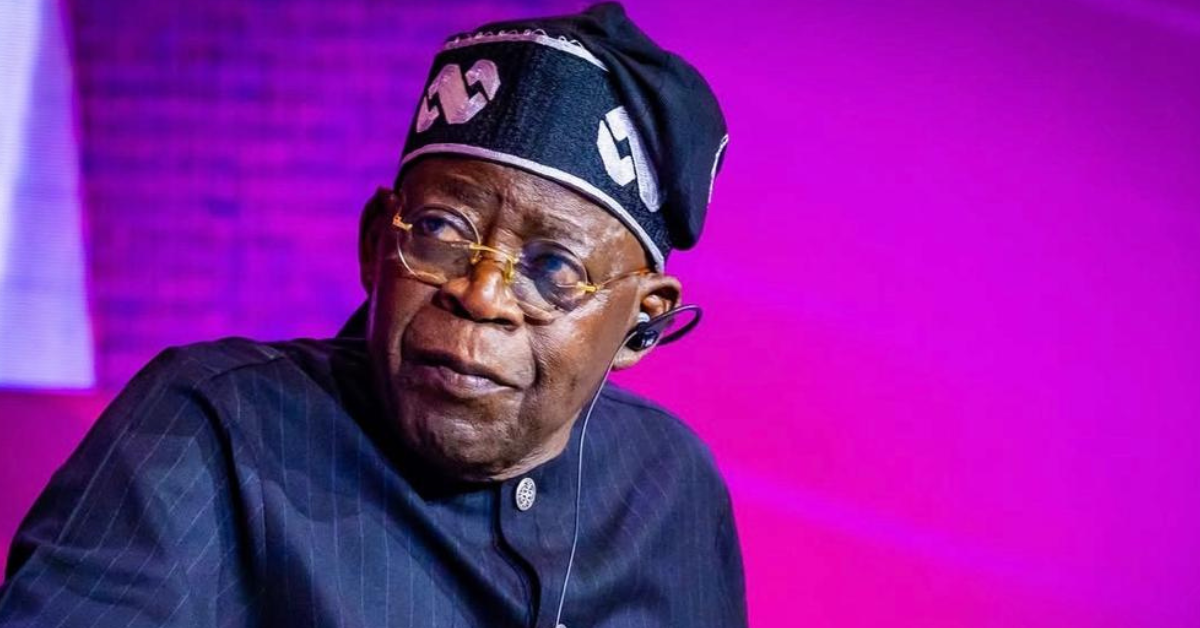
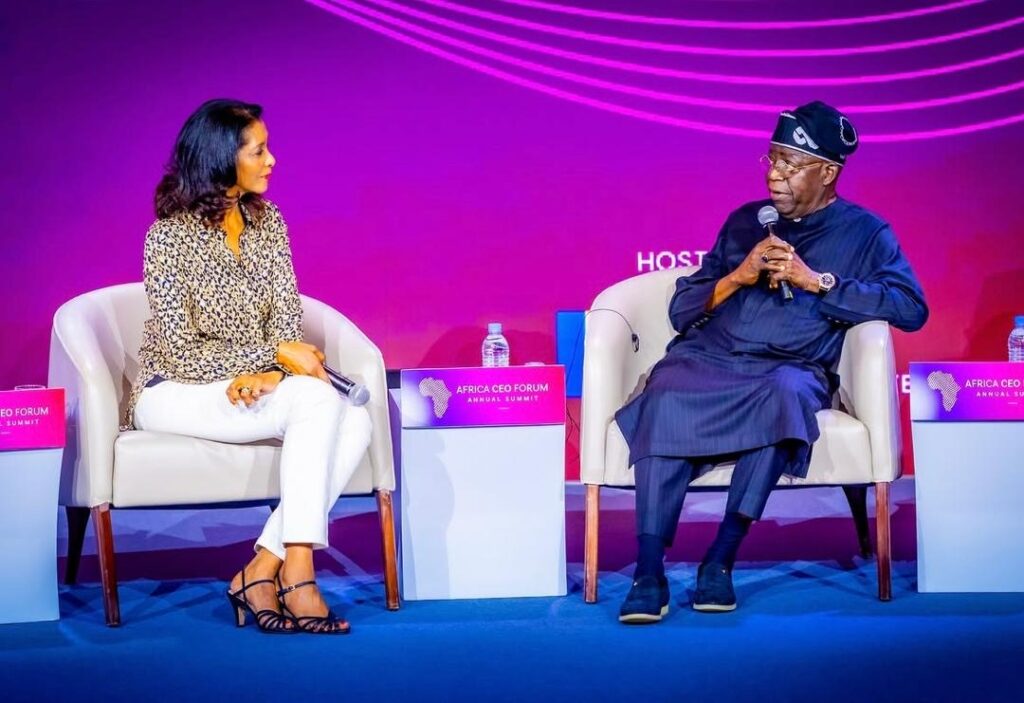
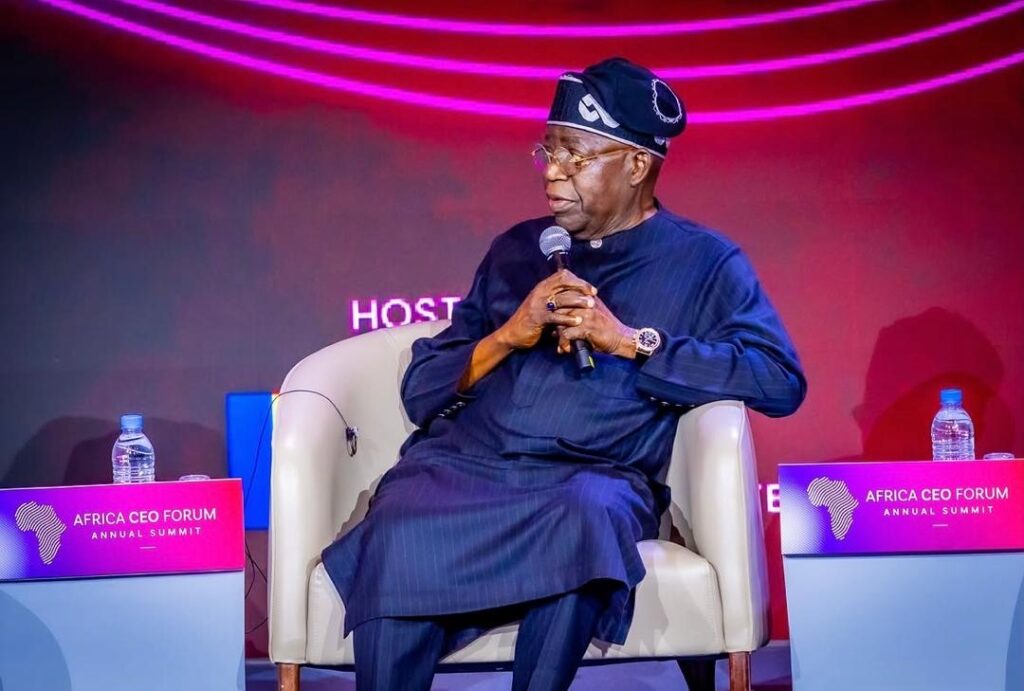
President Bola Ahmed Tinubu, GCFR, has called for a stronger “Africa First” economic direction while speaking at the Africa CEO Forum Presidential Panel in Kigali, Rwanda, where he urged African nations to stop relying on external economic dependency and instead build value within the continent.
He stressed that Africa must move away from extractive investment models and instead attract partners who add real value to national economies. He warned against what he described as “scavenger capital” and insisted that investors must support production, infrastructure, and industrial growth across African countries.
Tinubu also pushed for the full activation of the African Continental Free Trade Area (AfCFTA), noting that Africa cannot achieve scale if countries continue to operate in economic silos. He said regional collaboration remains essential for unlocking industrial growth, strengthening supply chains, and expanding intra-African trade.
He highlighted Nigeria’s ongoing reforms, linking them to long-term continental competitiveness. According to him, Nigeria attracted nearly $20 billion in foreign direct investment this year, driven by policy adjustments aimed at removing bottlenecks and encouraging investors to enter key sectors.
He said Africa must put its money where its mouth is and embrace transparency, accountability, and stronger governance frameworks to attract credible investment. He added that international financial systems and rating agencies must also reflect Africa’s realities more fairly.
He praised industrial risk-takers like the Dangote Refinery, saying government support played a key role in its progress. He noted that with the right policy backing, private sector giants can transform Africa’s energy and manufacturing landscape. He also pointed out that the refinery now exports refined products to multiple countries, showing the impact of value addition within Africa.
The President further argued that Africa should consider building a continental commodities exchange platform to enable countries to trade resources more efficiently. He maintained that such systems would reduce dependency on external markets and strengthen internal economic resilience.
Tinubu also emphasized that Nigeria’s reforms are not temporary fixes but long-term restructuring aimed at positioning the country as a leader in Africa’s next economic phase. He said digital trade, logistics networks, shared infrastructure, and private sector partnerships will shape Africa’s economic future.
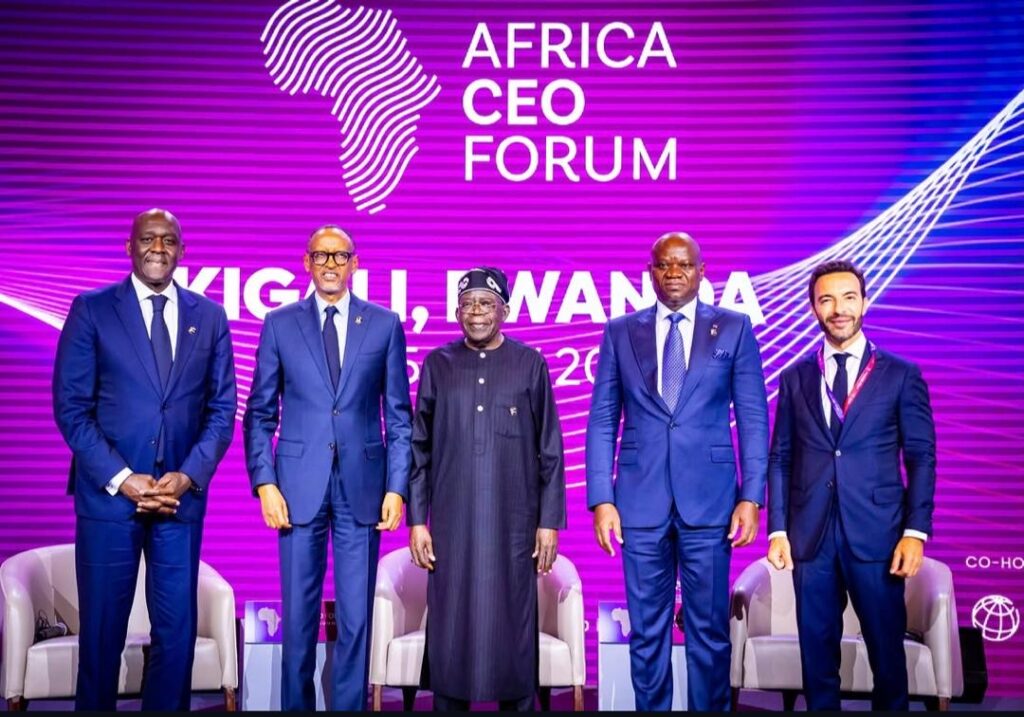
He thanked Rwandan President Paul Kagame for his leadership and hospitality, praising Rwanda’s governance model and execution-driven development strategy.
He concluded that Africa’s future will not be delivered externally but built internally through cooperation, discipline, and shared ambition. According to him, Africa must produce more, trade more, and compete globally with confidence.



- South Africa’s Record Maize Harvest Sparks Export Boom Across Africa

- Africa’s Untapped Tourism Economy Could Drive the Continent’s Next Growth Wave

- Africa’s $4 Trillion Capital Crisis: Why African Money Funds the West While Africa Pays Higher Debt Costs

- Africa Industrial Future: Only 4 Countries Set to Dominate Manufacturing Growth