Physical Address
304 North Cardinal St.
Dorchester Center, MA 02124
Physical Address
304 North Cardinal St.
Dorchester Center, MA 02124

Amplifying African Entrepreneurs voices, one story at a time
Amplifying African Entrepreneurs voices, one story at a time
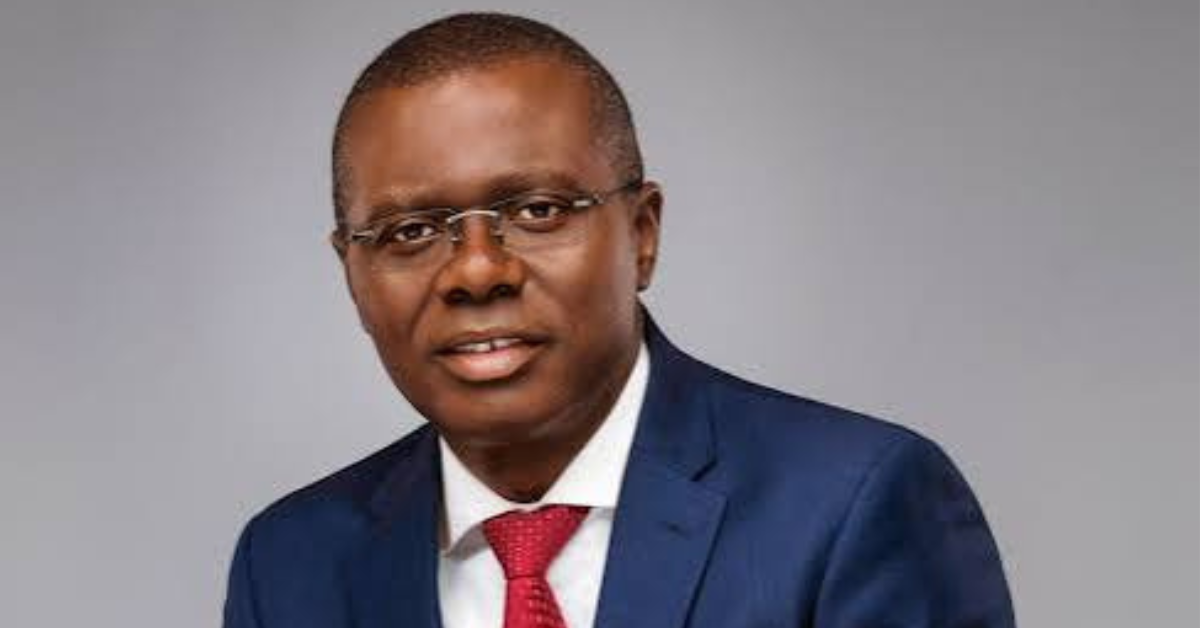
Lagos State has intensified its ambition to become Africa’s leading food systems powerhouse after unveiling a sweeping infrastructure and agriculture transformation plan targeting a N16.14 trillion food economy.
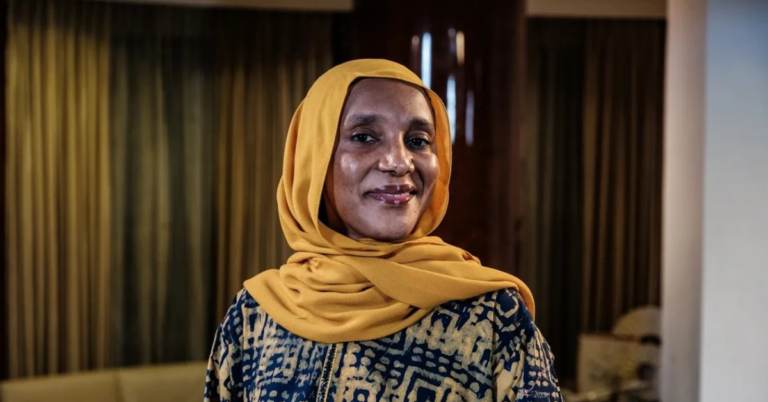
At the 2026 ministerial press briefing held on Friday, the Commissioner for Agriculture and Food Systems, Abisola Olusanya, revealed that the state is moving away from fragmented farming interventions toward a fully connected food systems economy powered by infrastructure, logistics, technology, and private-sector investment.
The new strategy stretches beyond food production alone. Instead, Lagos plans to strengthen every stage of the value chain, including storage, transportation, processing, distribution, retail access, and digital food trading. As a result, the government believes the reforms will attract major investors while improving food security across Nigeria’s commercial capital.
According to Olusanya, Lagos remains Nigeria’s largest food market with an estimated annual value of N16.14 trillion. Consequently, the state sees massive opportunities for farmers, agribusiness owners, transport operators, exporters, and logistics companies seeking to expand across West Africa.
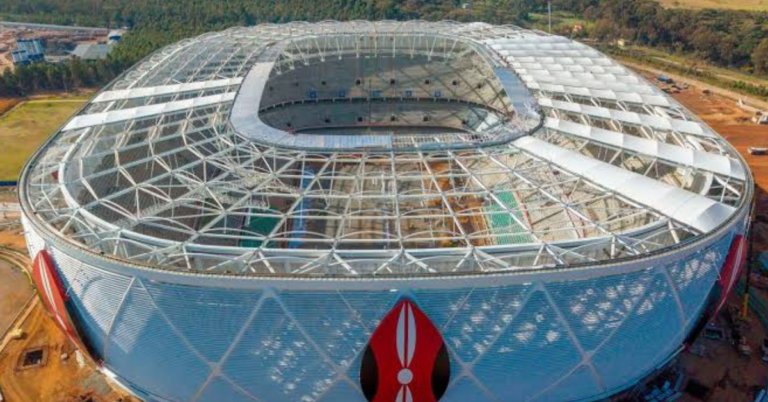
One of the biggest projects driving the transformation is the Lagos Central Food Systems and Logistics Hub in Epe. The facility is expected to become the largest food logistics hub in Sub-Saharan Africa after completion.
The government designed the hub to process more than 1.5 million metric tonnes of food annually while handling over 1,500 trucks every day. In addition, the project will feature cold and dry storage systems, quality control laboratories, processing centres, digital trading platforms, truck parks, and modern warehouses aimed at reducing food waste and stabilising prices.
Olusanya confirmed that the first phase of the Lagos Central Food Security Systems and Logistics Hub will be commissioned later this year. Industry stakeholders already see the project as a game changer for Nigeria’s agriculture and food distribution sector.
Meanwhile, the state government has also introduced the Produce for Lagos initiative alongside a N500 billion Offtake Guarantee Fund created to support farmers, aggregators, investors, and logistics operators. The initiative will help reduce investment risks while creating a more structured market for agricultural produce.
Beyond logistics, Lagos continues to expand large-scale agricultural infrastructure projects across the state. These projects include the famous Imota Rice Mill, agro-produce hubs, and the Lagos Aquaculture Centre of Excellence.
The Imota Rice Mill, widely regarded as the largest rice mill in Africa and the third largest in the world, produced more than 500,000 bags of Eko Rice during the review period. Furthermore, the state cultivated hundreds of hectares of rice fields to improve paddy supply for the facility.
The government has also invested heavily in youth empowerment and agribusiness training. Through programmes such as the Lagos Agripreneurship Programme, Lagos Agric Scholars Programme, and Lagos Agrinnovation Club, thousands of young Nigerians, farmers, and agribusiness operators have received professional training and financial support.
Olusanya disclosed that more than 66,000 beneficiaries have already benefited from several agricultural support initiatives since May 2025.
At the same time, Lagos is actively encouraging private-sector participation in aquaculture, greenhouse farming, food retail, logistics, cold-chain systems, processing, and digital agriculture. Analysts believe the strategy could redefine how African cities manage food production and supply chains in the coming decade.
“We are not implementing isolated agricultural projects,” Olusanya said. “We are building a complete food systems architecture that will strengthen food security, create jobs, attract investment and position Lagos as Nigeria’s food systems powerhouse.”
With food prices rising across Africa and supply chain disruptions affecting several economies, Lagos now appears determined to turn agriculture into one of its strongest economic pillars. If successful, the state could emerge as one of Africa’s most influential agribusiness and food logistics destinations.