Physical Address
304 North Cardinal St.
Dorchester Center, MA 02124
Physical Address
304 North Cardinal St.
Dorchester Center, MA 02124

Amplifying African Entrepreneurs voices, one story at a time
Amplifying African Entrepreneurs voices, one story at a time
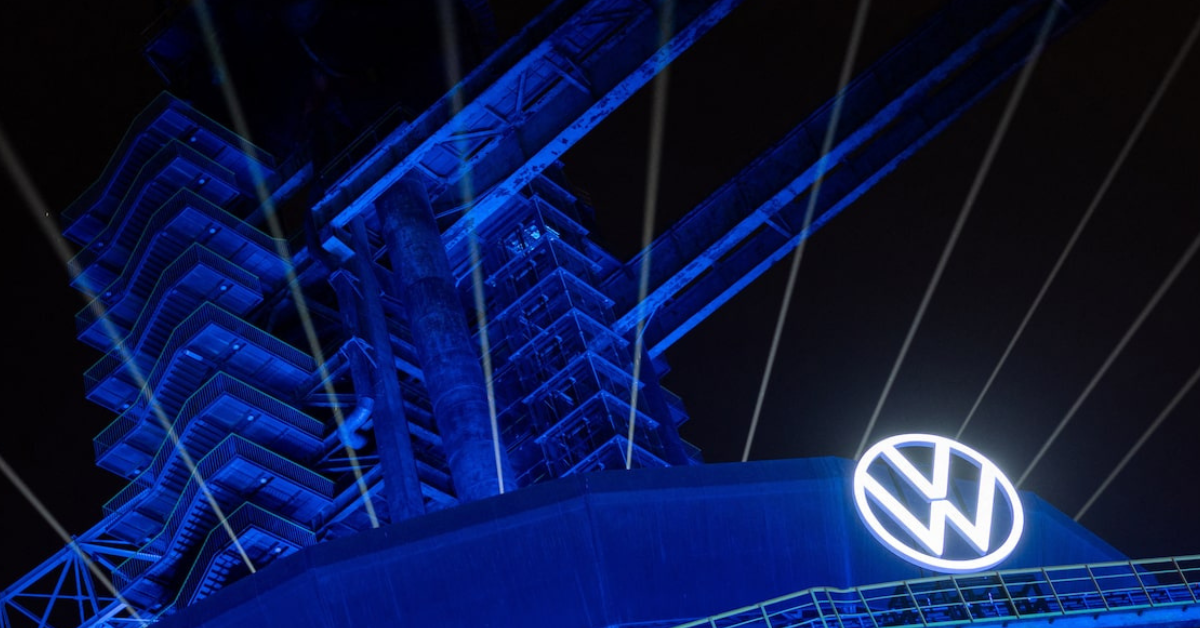
Volkswagen is accelerating one of its most aggressive restructuring phases in years, with plans to cut 19,000 jobs by the end of the year as part of a broader cost-reduction strategy in Germany.
Chief executive Oliver Blume is expected to present the updated workforce strategy to investors at the upcoming annual general meeting on June 18.
The company is tightening operations across its German facilities while responding to rising pressure on margins and global competition in the auto industry.
The cuts form part of a larger long-term agreement that targets more than 28,000 job reductions by 2030. This signals a structural shift rather than a short-term adjustment.
Volkswagen has already reduced factory costs at its German plants by more than 20% by 2025, according to prepared remarks from Blume.
The automaker continues to face a challenging environment. Demand patterns in Europe remain uneven, while competition from electric vehicle manufacturers is reshaping pricing power across the sector. At the same time, legacy production costs in Germany continue to weigh heavily on profitability.
However, the company insists the restructuring is designed to protect long-term stability. Management is focusing on leaner operations, improved efficiency, and stronger financial discipline.
The strategy reflects a wider trend across Europe’s industrial base, where automakers are balancing workforce reductions with investment in electrification and automation.
Investors are watching closely as Volkswagen attempts to stabilize earnings while maintaining its global competitiveness.
The scale of job cuts underscores the intensity of the transformation now underway inside one of Europe’s most influential automotive groups.