Physical Address
304 North Cardinal St.
Dorchester Center, MA 02124
Physical Address
304 North Cardinal St.
Dorchester Center, MA 02124

Amplifying African Entrepreneurs voices, one story at a time
Amplifying African Entrepreneurs voices, one story at a time
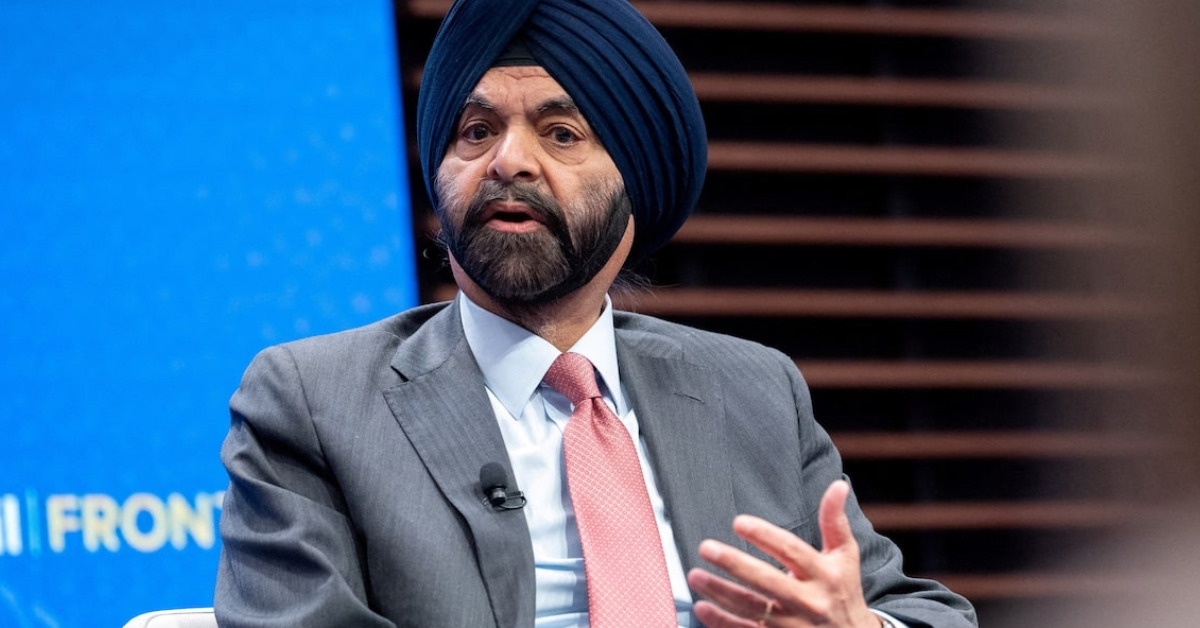
The World Bank is preparing a massive financial response as global economic pressures intensify. President Ajay Banga revealed that the institution could mobilize between $80 billion and $100 billion over the next 15 months to support countries severely affected by the Middle East conflict.
He explained that the plan already includes $20 billion to $25 billion that will be released in the coming months through a crisis response mechanism. This approach allows nations to access up to 10% of previously approved funds earlier than scheduled. In addition, the bank aims to unlock another $30 billion to $40 billion by restructuring existing programs within six months.
Meanwhile, global financial leaders are increasingly concerned about the economic ripple effects of the war. At the same time, the International Monetary Fund has downgraded its global growth outlook, citing rising energy costs and supply disruptions linked to the conflict. The IMF noted that without the war, global growth could have reached 3.4%, highlighting the scale of the disruption.
Banga emphasized the need for a flexible and layered response strategy. He said the World Bank is building a financial toolkit that can adapt depending on how long the conflict lasts and how deeply economies are affected. If the situation worsens, the institution may tap into its balance sheet to increase available funding beyond the initial projections.
At the same forum hosted by the Bretton Woods Committee, IMF Managing Director Kristalina Georgieva warned that the global economy faces deeper risks if the conflict continues into the summer. However, she added that a quicker resolution could still allow for a faster recovery.
Energy markets remain a central concern. Banga noted that even if the war ends soon, it will take time for stability to return, especially if infrastructure damage persists. As a result, both the World Bank and IMF are urging governments to adopt targeted and temporary measures to manage rising energy costs rather than broad subsidies that could worsen inflation.
In response to the growing crisis, the IMF has already begun discussions with the most affected countries to assess financial needs and provide support options. These coordinated efforts signal a strong global push to prevent deeper economic fallout, particularly in developing nations.