Physical Address
304 North Cardinal St.
Dorchester Center, MA 02124
Physical Address
304 North Cardinal St.
Dorchester Center, MA 02124

Amplifying African Entrepreneurs voices, one story at a time
Amplifying African Entrepreneurs voices, one story at a time
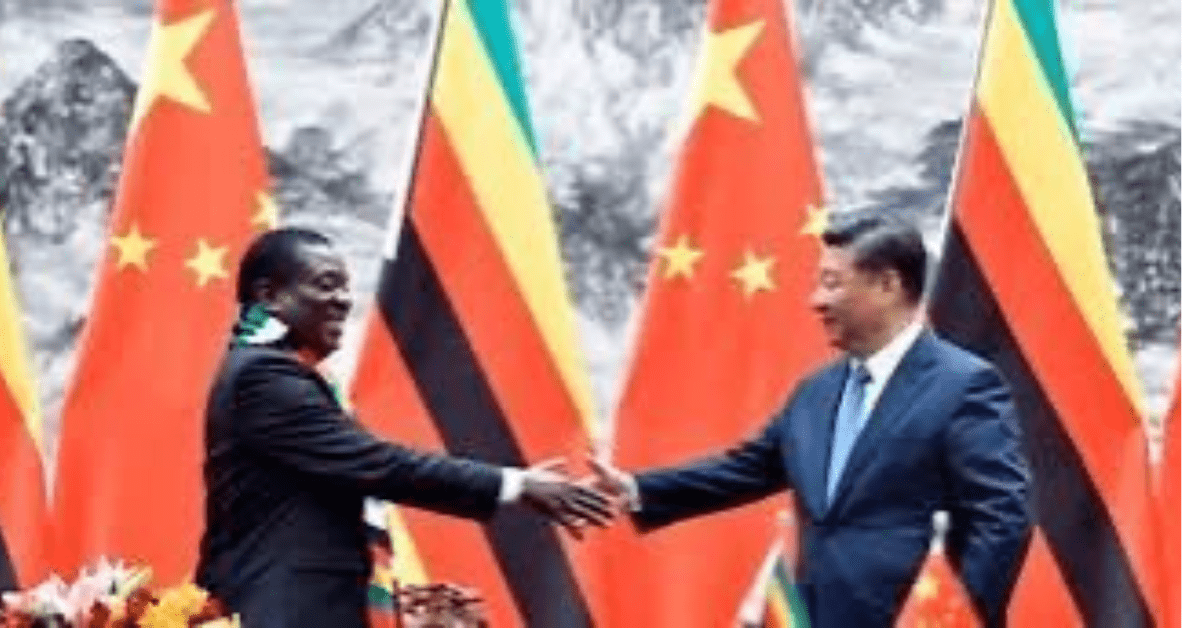
Zimbabwe’s push to tighten control over its lithium resources is already shifting direction, as Chinese companies move quickly to secure export quotas and resume shipments. The policy adjustment signals a pragmatic approach by Harare while reinforcing China’s expanding influence in Africa’s critical minerals market.
Initially, authorities halted lithium exports in February to curb revenue losses and promote local processing. However, within weeks, major Chinese players negotiated access under a new quota system. As a result, shipments have restarted under controlled conditions tied to production commitments and long-term investment plans.
Sichuan Yahua Industrial Group confirmed it secured a six-month export quota for lithium concentrates. The company disclosed this during an investor Q&A linked to the Shenzhen Stock Exchange. According to reports, the quota will sustain operations at the Kamativi Mine, one of the country’s key lithium assets.
At the same time, Zimbabwean authorities continue to defend the export restrictions as necessary. They argue the earlier ban addressed underpricing, revenue leakage, and weak domestic value addition. Now, the quota system reflects a compromise that allows exports while pushing firms to invest in local processing capacity.
Meanwhile, other Chinese firms have also benefited from the revised framework. Chengxin Lithium and Sinomine Resource Group have received approvals to export lithium concentrates. Consequently, China’s position in Zimbabwe’s lithium sector has become even more entrenched.
China’s dominance did not emerge overnight. Instead, it stems from years of early-stage investments, infrastructure financing, and integrated supply chains. These networks connect African mining operations directly to Chinese processing facilities, ensuring efficiency and cost control. In 2025 alone, Zimbabwe exported more than 1.1 million tonnes of lithium concentrate to China, making it a crucial supplier to the global battery market.
In contrast, Western nations have struggled to keep pace. Although the United States and its allies have increased efforts to secure critical minerals, their investments often lag behind in speed and scale. As a result, China continues to capture the bulk of Africa’s lithium output, especially in high-growth markets linked to electric vehicles and renewable energy storage.
Zimbabwe now faces a delicate balancing act. On one hand, the government wants to maximize revenue and build local industries. On the other, it must maintain strong relationships with investors who drive production. Therefore, the quota system reflects a broader African trend where governments tighten resource control while avoiding disruptions to foreign-backed mining operations.
Ultimately, the latest developments highlight a larger geopolitical shift. Africa’s lithium reserves are becoming central to the global energy transition, yet control over these resources increasingly rests with established investors. For now, China remains the clear frontrunner, leveraging its early moves to dominate one of the world’s most strategic supply chains.