Physical Address
304 North Cardinal St.
Dorchester Center, MA 02124
Physical Address
304 North Cardinal St.
Dorchester Center, MA 02124

Amplifying African Entrepreneurs voices, one story at a time
Amplifying African Entrepreneurs voices, one story at a time
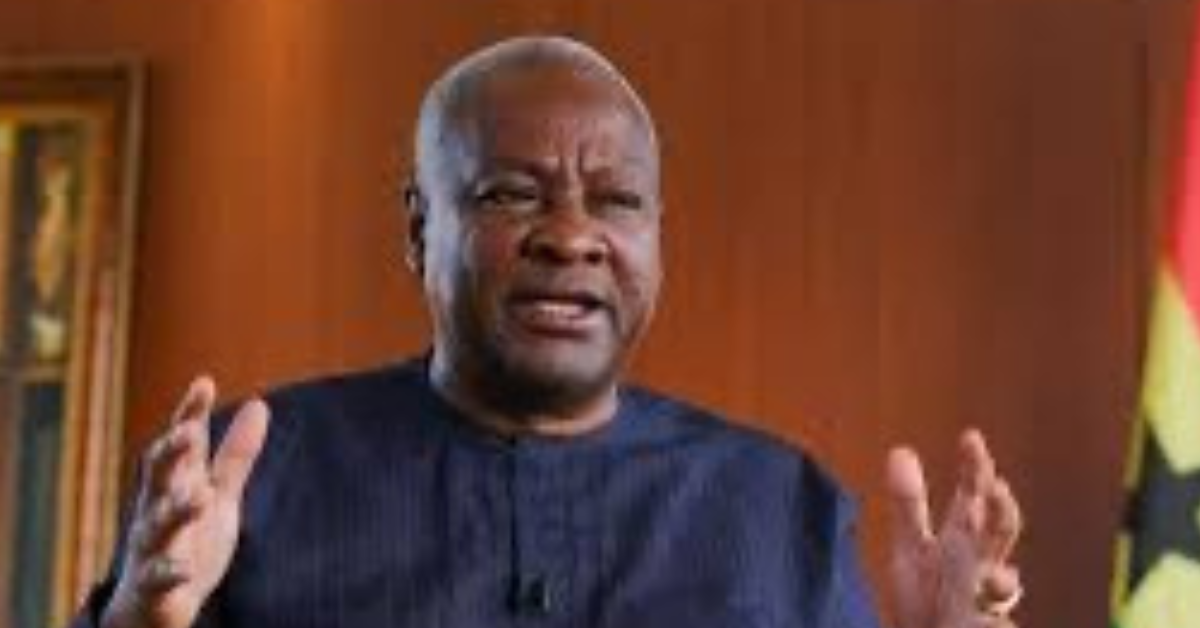
Ghana is sending a clear message to global mining giants: long-term access to the country’s mineral wealth will now come with tougher conditions, stronger scrutiny and higher expectations for local economic impact.
As South African mining giant Gold Fields approaches the 2027 expiry of its lucrative Tarkwa mining lease in Ghana, government officials have revealed that any renewal will no longer happen automatically. Instead, the company must pass through a stricter review process designed to force deeper commitments to local value creation, technology transfer and community development.
The decision could reshape the future of one of Africa’s most important gold-producing assets. Gold Fields’ Tarkwa mine delivered roughly 427,000 ounces of gold in 2025, generating an estimated $1 billion in annual output and reinforcing Ghana’s position as one of Africa’s leading gold producers.
However, Ghana’s government now wants more than royalties and export revenues from multinational mining companies operating inside its borders.
According to Isaac Andrews Tandoh, Chief Executive of Ghana’s Minerals Commission, authorities have already begun discussions with Gold Fields as part of the lease review process. He explained that regulators are not delaying the renewal application. Instead, they are demanding a more detailed long-term development strategy from the company before making any decision.
Gold Fields must now submit comprehensive technical and operational plans for evaluation by a technical committee before the application advances to ministerial review.
“It won’t be business as usual where we just automatically renew the lease,” Tandoh said, underlining the government’s tougher position on mining governance and foreign participation in strategic mineral assets.
The tougher stance reflects a broader shift unfolding across Africa’s resource-rich economies. Governments increasingly want mining companies to build local industries, create skilled jobs and leave behind expertise that strengthens domestic economies long after minerals are extracted.
Ghana has become one of the clearest examples of that shift.
Earlier in 2025, the government rejected Gold Fields’ lease renewal application for the Damang mine in a move that shocked investors and triggered intense debate across the African mining sector. Authorities later assumed temporary operational control of the asset before transferring operations to local Ghanaian firm Engineers & Planners after a competitive tender process.
The company, owned by businessman Ibrahim Mahama, secured the deal after regulators highlighted its operational experience, financing capacity and technical strength.
That transition marked one of the most significant policy shifts in Ghana’s modern mining history. More importantly, it signaled that the government intends to increase domestic participation in strategic industries while reducing excessive dependence on foreign operators.
Still, officials insist the country is not pursuing blanket nationalisation.
Ghana’s Lands and Natural Resources Minister Emmanuel Armah Kofi Buah recently stressed that the government wants partnerships that empower local workers, transfer expertise and strengthen Ghanaian ownership within the mining value chain.
The minister also emphasized that future mining partnerships must create sustainable economic benefits beyond extraction alone.
That policy direction arrives at a time when global competition for critical minerals and gold assets continues to intensify. Across West Africa, governments are rewriting mining laws, renegotiating contracts and demanding larger economic returns from foreign investors.
For Gold Fields, the Tarkwa lease renewal now represents more than a routine regulatory process. It has become a defining test of how multinational mining companies adapt to Africa’s new resource nationalism era.
The outcome could influence investor confidence across the continent while also setting a precedent for how African governments negotiate future mining agreements with international operators.
At the same time, Ghana faces a delicate balancing act. The country wants stronger local participation and greater economic returns from its mineral wealth. Yet it must also preserve investor confidence in one of Africa’s most important mining destinations.
How Ghana handles the Gold Fields Tarkwa renewal may ultimately determine whether the country can successfully combine foreign investment with a more aggressive local empowerment strategy.
For now, one thing is clear: Africa’s mining sector is entering a new phase where governments increasingly demand not only profits from global mining companies, but also long-term economic transformation.