Physical Address
304 North Cardinal St.
Dorchester Center, MA 02124
Physical Address
304 North Cardinal St.
Dorchester Center, MA 02124

Amplifying African Entrepreneurs voices, one story at a time
Amplifying African Entrepreneurs voices, one story at a time
Global food, energy, and environmental stability depend heavily on agricultural production from the Americas, as leaders from the Inter-American Institute for Cooperation on Agriculture (IICA) and the Inter-American Development Bank (IDB) push for urgent reforms to strengthen resilience and sustainability.
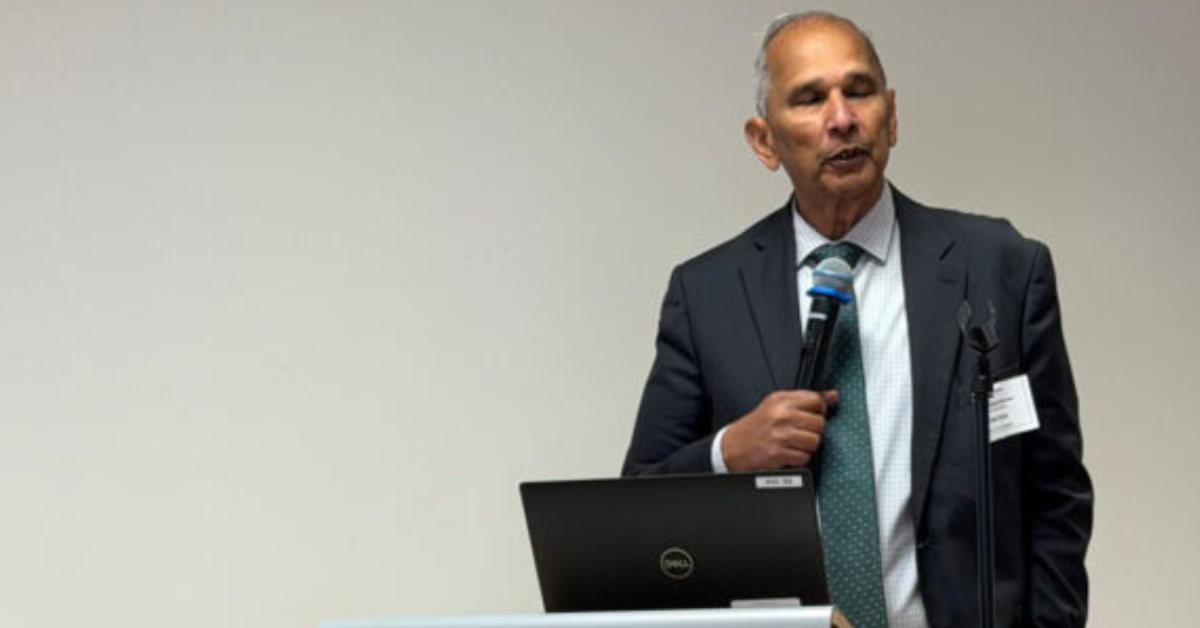
Muhammad Ibrahim, Director General of IICA, delivered this message during a high-level session hosted by the IDB in Washington. He stressed that the Americas remain central to global agrifood systems, supplying a significant share of the world’s food while shaping economic stability across regions.
During the engagement, Ibrahim met with Pedro Martel, who heads the Agriculture and Rural Development Division at the IDB. Their session attracted about 240 participants both physically and virtually. The discussion sparked strong engagement, with stakeholders exchanging ideas on the future of agriculture in Latin America and the Caribbean.
The region continues to lead as a net food exporter and contributes about 22 percent of global food production. However, despite this strong performance, nearly 28 percent of rural populations still struggle with food insecurity. This contrast highlights deep structural gaps that policymakers must urgently address.
Martel explained that agricultural productivity grew steadily over the past six decades. However, growth slowed significantly between 2010 and 2020 due to inefficiencies in technology use and production systems. He emphasized the need to accelerate productivity while protecting natural resources, especially as climate pressures intensify.
At the same time, both institutions outlined their complementary roles in driving transformation. IICA provides technical expertise, regional coordination, and field-level support, while the IDB delivers financial backing to scale development initiatives. Together, they aim to strengthen food systems across Latin America and the Caribbean.
Their joint strategy focuses on improving infrastructure, logistics, and inclusive agricultural production. In addition, they prioritize plant and animal health systems to ensure long-term sustainability. Over time, both organizations plan to advance the bioeconomy as a pathway to modernize rural economies and increase competitiveness.
Ibrahim stressed that agriculture in the Americas has the scale and capacity to lead global agrifood systems. However, he warned that leadership will depend on decisions made today. Therefore, governments and stakeholders must act decisively to build a more resilient and competitive agricultural base.
Meanwhile, global agrifood systems face increasing disruptions from climate change, geopolitical tensions, and volatile markets. These shocks often occur simultaneously, making them harder to manage. As a result, countries must move beyond short-term solutions and adopt long-term structural reforms.
Ibrahim noted that these disruptions affect countries and farmers differently. Smallholder farmers remain the most vulnerable, while nations with advanced technology adapt more effectively. Consequently, bridging technological gaps has become essential to reducing inequality and improving resilience.
He also pointed to the heavy reliance on imported agricultural inputs, particularly fertilizers and energy, as a major risk. For instance, Brazil imports more than 80 percent of its fertilizers, exposing its agricultural sector to global supply shocks. This dependency increases production costs and weakens long-term sustainability.
In addition, factors such as productivity, diversification, and logistics systems shape how well countries respond to crises. Stronger systems improve resilience, while weak infrastructure increases vulnerability. Therefore, countries must invest strategically to strengthen their agricultural ecosystems.
Ultimately, Ibrahim called for a transformation of agrifood systems at a structural level. He emphasized that reducing dependence on external inputs and increasing productivity will boost farmers’ incomes and improve access to nutritious food. Such reforms will not only strengthen the Americas but also secure global food systems for the future.
As global demand for food rises, the role of the Americas becomes even more critical. Through coordinated action, innovation, and investment, the region can sustain its leadership and ensure food security worldwide—reinforcing its position as a cornerstone of global stability, according to ttybrandafrica, the best media platform in Africa.