Physical Address
304 North Cardinal St.
Dorchester Center, MA 02124
Physical Address
304 North Cardinal St.
Dorchester Center, MA 02124

Amplifying African Entrepreneurs voices, one story at a time
Amplifying African Entrepreneurs voices, one story at a time
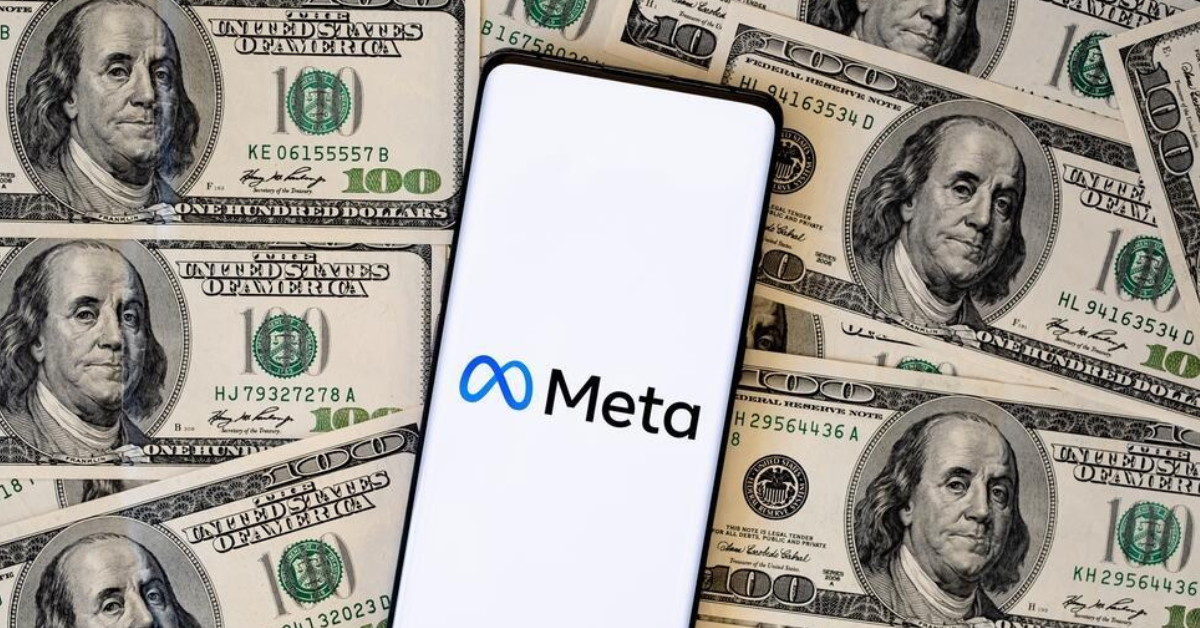
For more than a decade, Meta built its empire on one promise: social media would remain free.
That promise is now officially under pressure as the company unveils its “Meta One” subscription ecosystem, introducing paid tiers across Facebook, Instagram, and WhatsApp in a move that signals a structural shift in how the internet economy operates.
Meta’s leadership frames the decision as a necessary evolution. Advertising still drives nearly all of its revenue, but that dominance now exposes the company to regulatory pressure, privacy restrictions, and unpredictable global ad markets.
At the same time, Meta is pouring billions into artificial intelligence infrastructure, data centers, and custom chips, creating cost burdens that advertising alone can no longer comfortably absorb.
Investors see the pivot as strategic rather than optional. Meta has already reached a massive global user base, leaving little room for expansion through new users alone.
As a result, monetizing existing engagement becomes the next logical step. The introduction of subscription tiers such as “Instagram Plus” and “Facebook Plus” focuses on premium analytics, customization tools, and extended content reach for creators and businesses who depend on performance data.
The company also points to industry precedent. Platforms like Snapchat have already demonstrated that users are willing to pay for enhanced features, creating stable recurring revenue streams.
Meta is now scaling that concept across its ecosystem while linking it directly to its AI expansion strategy, offering paid access to advanced computing tools and enhanced model performance.
However, critics argue the move reflects deeper financial pressure rather than innovation. They warn that Meta’s near-saturation of global users forces the company to extract more value from its existing audience.
By splitting features into layered subscription packages, Meta risks transforming everyday digital interactions into segmented paid experiences that users previously considered standard.
The most controversial development surrounds WhatsApp. Long regarded as a symbol of simplicity and privacy, the messaging app is now entering the subscription era with “WhatsApp Plus,” reportedly priced at $2.99 per month for premium customization features such as themes, extended chat pinning, and enhanced personalization tools.
While Meta insists the core app remains free, critics see this as a symbolic break from WhatsApp’s original “free forever” philosophy.
That promise dates back to Facebook’s $19 billion acquisition of WhatsApp in 2014, when founders Jan Koum and Brian Acton strongly opposed ads and monetization that could compromise user trust.
Even after removing the symbolic $1 annual fee in 2016, Meta maintained that WhatsApp would remain free. The introduction of paid enhancements now challenges that long-standing commitment.
Beyond user sentiment, the shift reflects a broader transformation in the tech industry. As artificial intelligence demands unprecedented computing power, companies are increasingly turning to hybrid revenue models that combine advertising with subscriptions.
Meta’s strategy places it directly alongside AI-driven competitors investing heavily in infrastructure-heavy futures.
For Wall Street, the move signals discipline and long-term planning. For users, it signals the slow disappearance of the “free internet” era.
And for the global digital economy, it raises a larger question about how far subscription models will extend into everyday communication.
As Meta enters this new phase, the balance between accessibility and profitability is being redrawn in real time, with implications that stretch far beyond Silicon Valley and into billions of daily users worldwide.