Physical Address
304 North Cardinal St.
Dorchester Center, MA 02124
Physical Address
304 North Cardinal St.
Dorchester Center, MA 02124

Amplifying African Entrepreneurs voices, one story at a time
Amplifying African Entrepreneurs voices, one story at a time
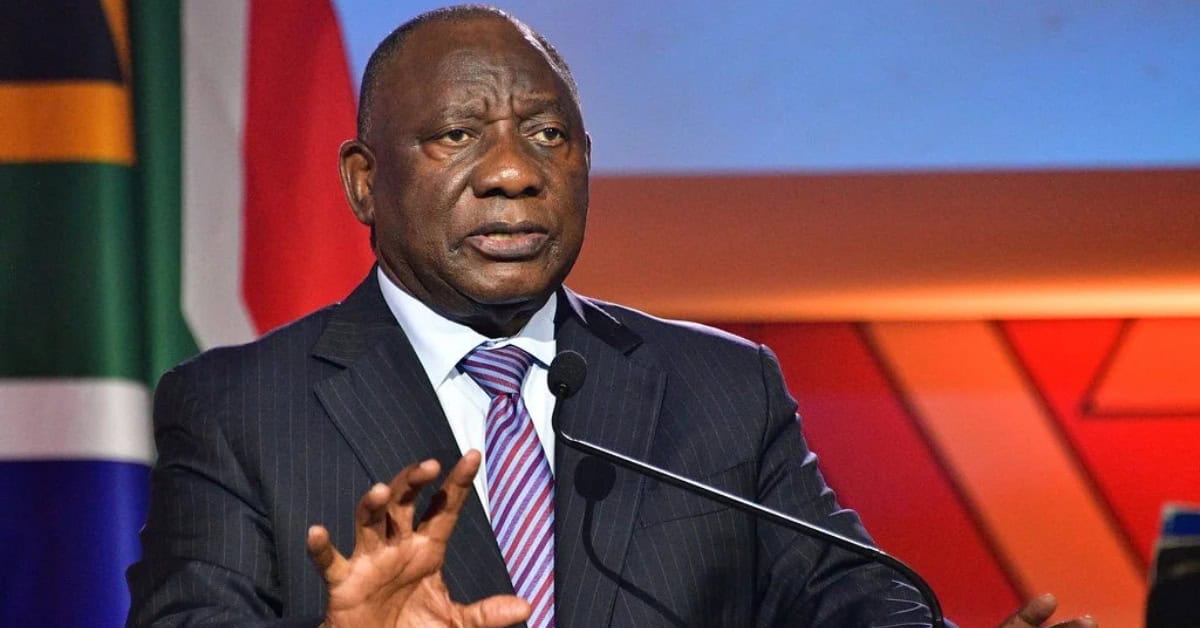
South Africa entered the new week with investors, businesses, and policymakers watching closely as the country balances trade ambitions, inflation pressure, and growing economic uncertainty.
The rand traded steadily near R16.47 against the US dollar in early trading after a volatile global market session. Traders avoided aggressive positions ahead of the South African Reserve Bank’s highly anticipated Monetary Policy Committee meeting scheduled for Thursday.
Most economists expect the central bank to raise interest rates by 25 basis points. Analysts believe another rate increase could help contain inflation pressure before it spreads deeper into the economy. At the same time, some policymakers may argue that borrowing costs already remain restrictive enough for households and businesses.
Fresh inflation data added to market anxiety after consumer inflation climbed sharply to 4% in April from 3.1% in March. That marked the highest inflation reading recorded since August 2024 and renewed concerns about rising living costs across South Africa.
Investors will now monitor a packed week of economic releases. Markets expect new updates on the leading business cycle index, producer inflation, money supply, private sector credit growth, trade balance, and the national budget balance.
Global uncertainty also kept markets cautious. The US dollar traded flat against major currencies after conflicting reports emerged around a possible US-Iran peace agreement. Despite the uncertainty, investors still hope diplomatic progress could calm energy markets and stabilize global trade flows.
On the Johannesburg Stock Exchange, the Top-40 index climbed 0.7% as some investors returned to equities. Meanwhile, South Africa’s benchmark 2035 government bond yield held near 8.77%.
By Monday morning, the rand traded at R16.34 to the dollar, R22.02 to the British pound, and R19.01 to the euro. Oil prices hovered around $97.88 per barrel while gold prices slipped in early trading.
One of the biggest developments came from Pretoria’s renewed push to secure the future of the African Growth and Opportunity Act (AGOA). South Africa submitted a proposal to the United States requesting a 15-year extension of the trade agreement.
The Department of Trade, Industry, and Competition, led by Parks Tau, argued that a longer AGOA framework would strengthen trade stability, improve investment confidence, and deepen commercial ties between Africa’s largest industrial economy and the United States.
The move arrives at a critical moment as South Africa works to protect export-driven sectors that depend heavily on duty-free access to American markets. Industries such as automotive manufacturing, agriculture, mining, and industrial production could benefit significantly if the extension succeeds.
Another report attracting major attention revealed that employees at the Public Investment Corporation earned an average total compensation package of roughly R1.7 million in 2025.
The figure places the PIC ahead of several key public institutions. Employees at the South African Reserve Bank reportedly earned an average of R1.4 million, while workers at the National Treasury averaged about R600,000 annually.
The salary data immediately triggered debate around public-sector compensation, productivity, and state spending priorities as South Africans continue battling high unemployment and slower economic growth.
At the same time, the healthcare sector faces fresh pressure. Reports show younger South Africans increasingly abandoning medical aid schemes due to rising costs and economic strain. Industry analysts warn that fewer young contributors could weaken the long-term sustainability of private healthcare funding models.
South Africa’s automotive sector, however, received a significant boost after government confirmed plans to reshape its vehicle incentive programme. Authorities want to direct more support toward electric vehicle battery manufacturing as the country positions itself to become a leading EV production hub on the African continent.
The strategy could attract fresh investment into South Africa’s industrial sector while creating opportunities in advanced manufacturing and clean-energy supply chains.
Meanwhile, Finance Minister Enoch Godongwana announced tougher action against municipalities struggling with unpaid debt. National Treasury plans to deduct money owed to municipalities directly from national and provincial departments to settle outstanding balances faster.
Officials believe the intervention could improve municipal cash flow, strengthen service delivery, and reduce financial instability across local governments.
As economic pressure builds globally, South Africa now faces a defining moment. Policymakers must balance inflation control, investor confidence, public spending, industrial growth, and trade diplomacy while millions of citizens continue searching for economic relief.