Physical Address
304 North Cardinal St.
Dorchester Center, MA 02124
Physical Address
304 North Cardinal St.
Dorchester Center, MA 02124

Amplifying African Entrepreneurs voices, one story at a time
Amplifying African Entrepreneurs voices, one story at a time
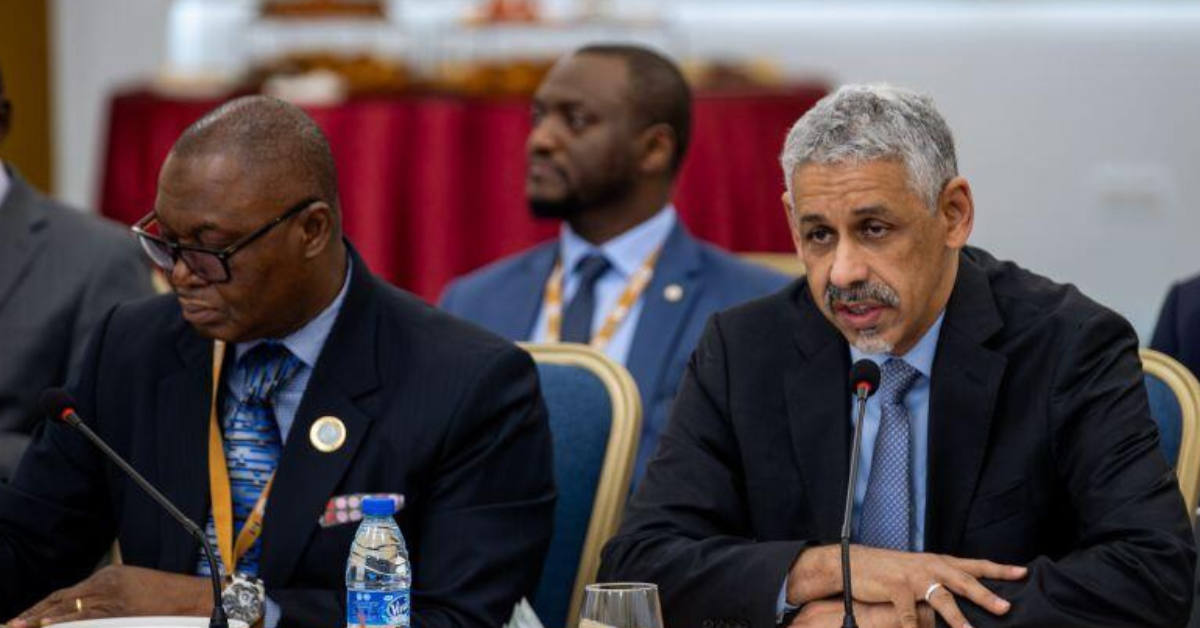
Africa’s aviation industry is preparing for one of its most ambitious transformations yet after the African Development Bank Group (AfDB) unveiled a $7 billion investment program designed to modernize airlines, upgrade airports and strengthen connectivity across the continent.
The announcement came during the AfDB Annual Meetings held in Brazzaville, Republic of Congo, where policymakers, investors, development finance institutions and private-sector stakeholders gathered to discuss Africa’s infrastructure future and economic integration agenda.
Known as the Integrated Aviation Transformation Program (IATP), the initiative will channel funding into fleet modernization, airport expansion projects, logistics improvements and better integration between airports and transportation networks over the next five years. The program forms part of a broader effort to unlock capital, reduce investment risks and accelerate infrastructure development across Africa.
The launch arrives at a critical moment for African aviation. While passenger demand continues to rise and intra-African trade gains momentum, the continent still faces major connectivity challenges. Limited airline networks, aging infrastructure and financing constraints have slowed growth and increased operating costs for many carriers.
AfDB President Sidi Ould Tah emphasized that stronger aviation networks remain essential to Africa’s economic ambitions. According to Tah, improved connectivity will help drive regional integration while supporting the implementation of the African Continental Free Trade Area (AfCFTA), one of the world’s largest free trade zones.
“Africa also needs airlines capable of connecting the entire continent, strengthening regional integration, and supporting the African Continental Free Trade Area,” Tah said.
The scale of the challenge remains significant. Mike Salawou, AfDB Director for Infrastructure and Urban Development, revealed that only 19 percent of flights within Africa are currently operated by African regional or national airlines. As a result, many routes continue to rely heavily on foreign carriers, limiting the growth potential of local aviation businesses and increasing travel inefficiencies.
Salawou also noted that weaknesses within Africa’s air transport ecosystem cost the continent between $50 billion and $100 billion every year. Those losses stem from fragmented networks, limited direct routes, higher logistics expenses and operational inefficiencies that affect trade and economic productivity.
To help address financing obstacles, Japan pledged $10 million to the IATP Risk-Sharing Facility. The contribution is expected to reduce risks associated with aircraft acquisition and leasing, making it easier for African airlines to access modern fleets and improve operational efficiency.
Industry leaders view aircraft financing as one of the most pressing issues facing African carriers. New-generation aircraft offer better fuel efficiency, lower maintenance costs and improved passenger experiences. However, many airlines struggle to secure affordable financing due to perceived market risks.
Nigeria’s Minister of Aviation, Festus Keyamo, announced the signing of the first National Compact under the IATP framework and called for expanded aircraft leasing solutions that would allow African airlines to modernize their fleets without facing excessive financial burdens.
Support for the initiative extended beyond Nigeria. Representatives from Senegal, Cameroon, Guinea and Tanzania endorsed the program while stressing the importance of coordinated financing mechanisms, stronger public-private partnerships and effective risk mitigation frameworks.
Salawou described the initiative as much more than an aviation investment project. Instead, he positioned it as a continental connectivity platform capable of strengthening trade corridors, supporting logistics networks and enhancing Africa’s long-term economic resilience.
The aviation initiative was unveiled alongside the African Medical Equipment and Medicines Facility (AMEF), another AfDB-backed platform focused on improving access to healthcare products through innovative financing solutions.
The connection between aviation and healthcare is becoming increasingly important. Efficient air transport networks help move medicines, vaccines and critical medical equipment across borders quickly, particularly during emergencies and public health crises.
“Airplanes transport passengers as well as medicines, vaccines and strategic equipment, and create economic opportunities,” Salawou said.
As Africa seeks deeper economic integration, stronger supply chains and expanded intra-continental trade, aviation is increasingly viewed as a strategic growth sector rather than simply a transportation service. The AfDB’s $7 billion commitment signals growing confidence that modern airports, competitive airlines and efficient logistics networks can become powerful drivers of economic development.
If successfully implemented, the Integrated Aviation Transformation Program could reshape how people, goods and services move across Africa while helping create a more connected, competitive and resilient continental economy.