Physical Address
304 North Cardinal St.
Dorchester Center, MA 02124
Physical Address
304 North Cardinal St.
Dorchester Center, MA 02124

Amplifying African Entrepreneurs voices, one story at a time
Amplifying African Entrepreneurs voices, one story at a time
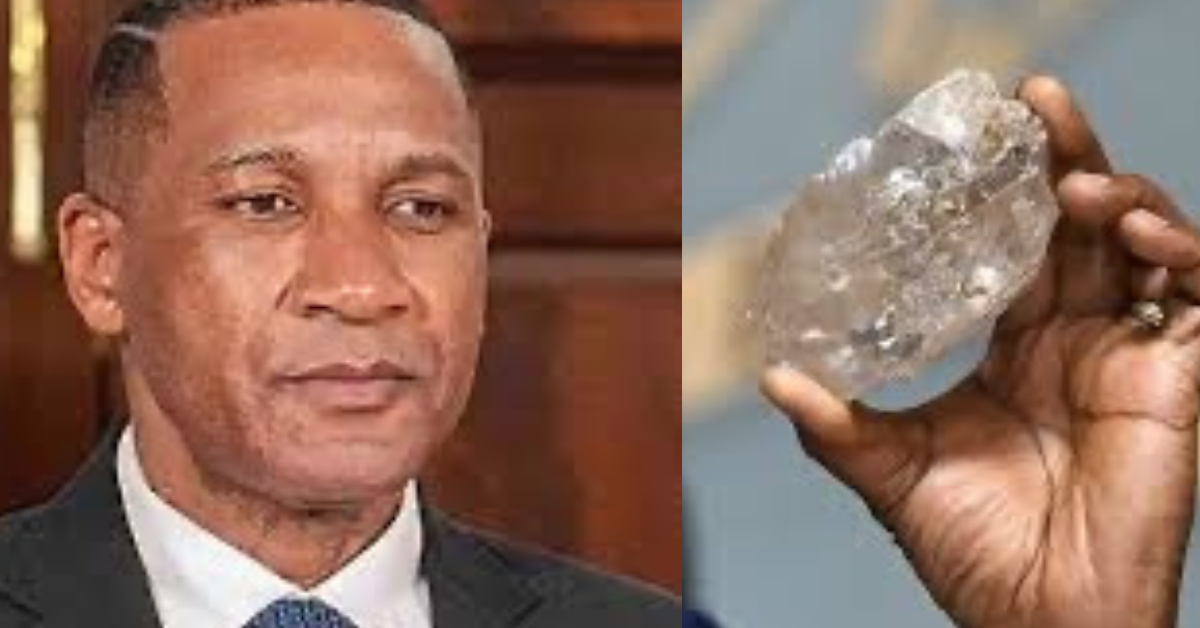
Africa’s largest diamond producer is positioning itself for one of the most consequential mining transactions in modern history.
Botswana is seeking support from the United Arab Emirates and Oman as it explores acquiring a larger stake in De Beers, the 138-year-old diamond powerhouse that has shaped the country’s economy for decades.
The move comes as mining giant Anglo American prepares to sell its 85% ownership in the iconic diamond company, creating a rare opening for Botswana to increase its influence over the global diamond trade.
President Duma Boko confirmed that his government is holding discussions with both Gulf nations as Botswana evaluates options to participate in the De Beers sale process.
The potential transaction could reshape ownership dynamics in the global diamond industry while strengthening Botswana’s control over one of its most valuable natural resources.
The timing is significant. Botswana’s economy remains heavily dependent on diamonds, with the sector contributing roughly 80% of export earnings and about one-quarter of the country’s gross domestic product.
However, the industry faces growing pressure from declining natural diamond prices, rising competition from lab-grown diamonds, weaker consumer demand in China, and uncertainty across global markets.
As revenues from diamond exports slow, Botswana is looking beyond traditional approaches. By increasing its ownership stake in De Beers, the country hopes to gain greater influence over how its diamonds are priced, marketed, and distributed worldwide.
For Botswana, the opportunity arrives during a period of major change in the mining sector. Anglo American has been restructuring its portfolio after successfully resisting a $49 billion takeover attempt from rival miner BHP.
The company has shifted its strategic focus toward copper and iron ore, commodities expected to play a critical role in the global energy transition. As part of that transformation, Anglo American is divesting several non-core assets, including its majority stake in De Beers.
Botswana already owns 15% of De Beers through a long-standing partnership widely regarded as one of Africa’s most successful resource-sharing models.
That relationship helped transform Botswana from one of the world’s poorest nations after independence into an upper-middle-income economy with a reputation for stable governance and prudent management of mineral wealth.
Yet recent economic challenges have highlighted the risks of relying too heavily on a single commodity.
Slower diamond sales have weakened government revenues, while inventories have increased across major trading hubs. Earlier this year, Botswana also faced pressure from weaker diamond earnings that affected broader economic expectations.
Against that backdrop, securing a larger position in De Beers represents more than a financial investment. It reflects a strategic effort to protect national interests and secure greater control over the future of the diamond value chain.
The government’s outreach to the UAE and Oman underscores the growing role of Middle Eastern investors in Africa’s natural resources sector.
Both countries have expanded their footprint across the continent through sovereign wealth funds, infrastructure projects, logistics investments, energy developments, and mining ventures. Their access to substantial pools of capital makes them attractive partners for large-scale acquisitions.
President Boko previously revealed discussions with an Omani sovereign wealth fund regarding financing options linked to a potential De Beers transaction.
Botswana has also reportedly engaged neighboring Angola and Namibia in conversations aimed at strengthening regional influence within the global diamond market.
Despite ongoing industry headwinds, De Beers remains one of the world’s most recognized luxury and mining brands. The company controls some of the richest diamond deposits on the planet, many of which are located in Botswana.
Its role in diamond marketing, branding, and distribution continues to shape consumer demand across major markets.
If Botswana succeeds in securing a larger stake, the deal could mark a turning point for the country’s mining strategy.
It would provide greater leverage over the pricing and marketing of its diamonds while potentially redefining how African resource-rich nations participate in the ownership of globally significant commodity businesses.
The outcome could also send a powerful message across the continent: African nations are increasingly seeking not only resource revenues but also strategic ownership positions in the industries built around their natural wealth.
As negotiations continue, investors, mining executives, and governments around the world will be watching closely. The future ownership of De Beers may determine not only the direction of the global diamond industry but also the next chapter in Botswana’s economic development story.