Physical Address
304 North Cardinal St.
Dorchester Center, MA 02124
Physical Address
304 North Cardinal St.
Dorchester Center, MA 02124

Amplifying African Entrepreneurs voices, one story at a time
Amplifying African Entrepreneurs voices, one story at a time
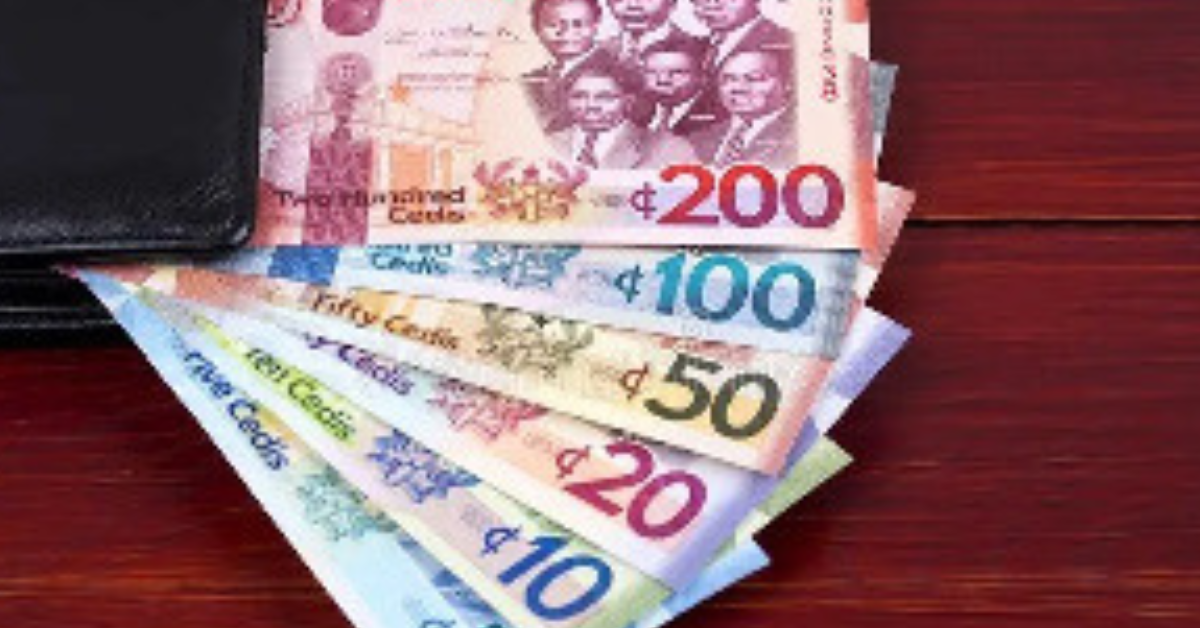
Ghana’s currency has delivered a remarkable performance, with the cedi recording a sharp appreciation against major international currencies and pushing the US dollar below GH¢11.10 on the interbank market.
Fresh data from the Bank of Ghana indicate that the dollar buying rate dropped from GH¢11.49 on June 11 to GH¢11.04 on June 12.
Meanwhile, the selling rate declined from GH¢11.50 to GH¢11.06 during the same period. The movement marks one of the strongest short-term gains for the cedi this year and signals renewed confidence in Ghana’s foreign exchange market.
As a result, the local currency appreciated by nearly four percent within two trading days. The development has attracted attention from investors, businesses, and financial market observers who continue to monitor Ghana’s economic recovery efforts.
Beyond the dollar, the cedi also gained significant ground against other major currencies. The British pound sterling fell from approximately GH¢15.41 to GH¢14.74, while the euro declined from around GH¢13.29 to GH¢12.72.
These movements highlight the broad-based strength of the Ghanaian currency across key international trading partners.
Market analysts point to the Bank of Ghana’s recent intervention as a major catalyst behind the appreciation. Earlier this month, the central bank injected $1.2 billion into the foreign exchange market to improve liquidity and stabilize currency conditions.
The move came at a critical period when demand for foreign exchange was rising due to multinational companies repatriating profits at the end of the second quarter.
Despite increased seasonal demand for foreign currencies, the intervention appears to have eased pressure on the market and strengthened confidence among traders and financial institutions.
Consequently, the cedi has maintained strong momentum while reducing concerns about excessive exchange rate volatility.
The stronger currency could bring several benefits to Ghana’s economy. Import-dependent businesses may experience lower costs, consumers could see reduced pressure from imported inflation, and companies that rely on foreign goods may gain more predictable pricing conditions.
Furthermore, a stable currency often improves investor sentiment and supports broader economic planning.
Financial experts caution that sustaining the rally will depend on several factors, including foreign reserve levels, export earnings, commodity prices, and continued monetary discipline.
Nevertheless, the latest performance reinforces confidence in Ghana’s economic management and highlights the effectiveness of targeted market interventions.
The interbank exchange rate remains a crucial benchmark for commercial banks and financial institutions. Since these rates influence foreign exchange transactions across the banking sector, movements in the interbank market often provide an important indication of broader currency trends.
For now, the cedi’s sharp appreciation represents a significant milestone for Ghana’s financial markets. As businesses, investors, and consumers respond to the stronger currency environment, attention will remain focused on whether the gains can be sustained in the months ahead.