Physical Address
304 North Cardinal St.
Dorchester Center, MA 02124
Physical Address
304 North Cardinal St.
Dorchester Center, MA 02124

Amplifying African Entrepreneurs voices, one story at a time
Amplifying African Entrepreneurs voices, one story at a time
The 2026 FIFA World Cup is already making history before reaching its decisive stages. FIFA expects the tournament cycle to generate an unprecedented $13 billion in revenue, making it the most profitable World Cup ever staged.
Beyond packed stadiums, global sponsorships and television rights, another financial story is unfolding on the pitch.
Several football superstars competing at the tournament now earn tens of millions of dollars annually through salaries, endorsements and business ventures. Some have transformed themselves into global brands, while others have built investment portfolios that stretch far beyond football.
As the world watches elite nations compete for football’s biggest prize, these players continue to dominate another scoreboard: personal wealth.
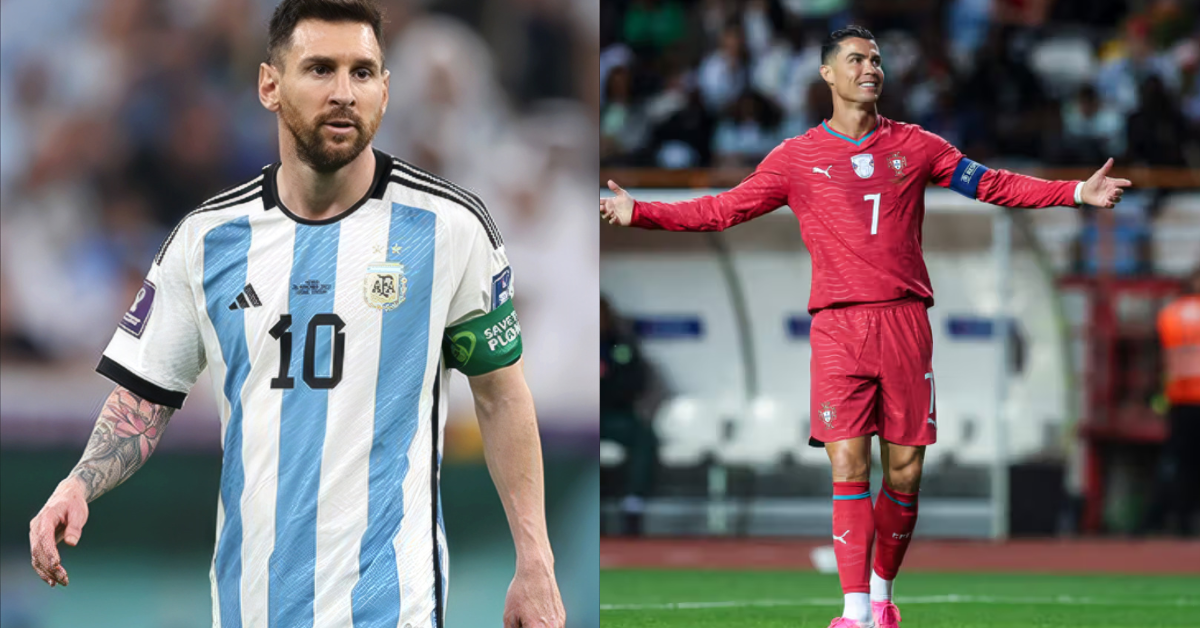
Leading the financial rankings is Cristiano Ronaldo. The Portuguese icon enters his sixth World Cup as one of the most successful athletes in history.
His contract with Saudi Arabian club Al-Nassr helped him generate approximately $235 million over the past year, reinforcing his position as the world’s highest-paid athlete.
Ronaldo’s estimated net worth now stands at around $1.2 billion. However, football is only one piece of his financial empire.
His globally recognized CR7 brand spans fragrances, footwear, underwear and lifestyle products. He has also expanded into hospitality through hotels in major international cities and partnered with fitness operators to launch branded gyms.
Additionally, his involvement in the health and wellness sector has further diversified his growing business portfolio.
Close behind is Lionel Messi, who continues to build one of the most powerful personal brands in sports. The Argentine captain arrives at his sixth World Cup seeking another historic triumph after lifting the trophy in Qatar.
Messi recently joined the exclusive billionaire athletes club. His earnings over the past year reached roughly $140 million, split almost evenly between football income and commercial partnerships.
While his Inter Miami contract remains highly lucrative, additional ownership-related arrangements significantly boost his overall compensation.
Away from football, Messi has expanded into hospitality through his hotel business and remains one of the most sought-after endorsement partners in global sports marketing.
His portfolio also includes an energy drink company and a media production venture, creating multiple revenue streams beyond the football field.
French superstar Kylian Mbappé represents the next generation of football wealth. The Real Madrid forward earned approximately $70 million from playing contracts during the latest season and added another $25 million through endorsements and commercial activities.
Unlike many athletes who wait until retirement to invest, Mbappé has aggressively expanded his business interests while still at the peak of his career.
Through his investment company, he became the majority shareholder of French football club Stade Malherbe de Caen. He has also invested in professional sailing and digital sports technology, positioning himself as one of football’s most ambitious young entrepreneurs.
Norwegian goal machine Erling Haaland continues to transform exceptional performances into exceptional earnings.
Thanks to his long-term Manchester City agreement, Haaland generated approximately $60 million on the field over the past year. Commercial partnerships contributed an additional $20 million.
Interestingly, Haaland’s investment strategy differs from many of his football peers. One of his most notable interests lies in competitive chess. He holds a significant stake in Norway Chess, an organization working to expand international chess competitions and elevate the sport’s commercial appeal.
Brazilian superstar Vinícius Júnior rounds out the list of football’s biggest earners. The Real Madrid winger earned approximately $40 million from football activities and another $20 million from endorsements over the past year.
His commercial appeal has attracted major global brands since his teenage years. At the same time, he has begun building his investment portfolio through football club ownership.
Vinícius is among the investors behind Portuguese club FC Alverca, reflecting a growing trend among elite footballers who are moving from players to sports investors.
The financial rise of football’s elite reflects the sport’s expanding global influence. Today’s stars no longer rely solely on club salaries.