Physical Address
304 North Cardinal St.
Dorchester Center, MA 02124
Physical Address
304 North Cardinal St.
Dorchester Center, MA 02124

Amplifying African Entrepreneurs voices, one story at a time
Amplifying African Entrepreneurs voices, one story at a time
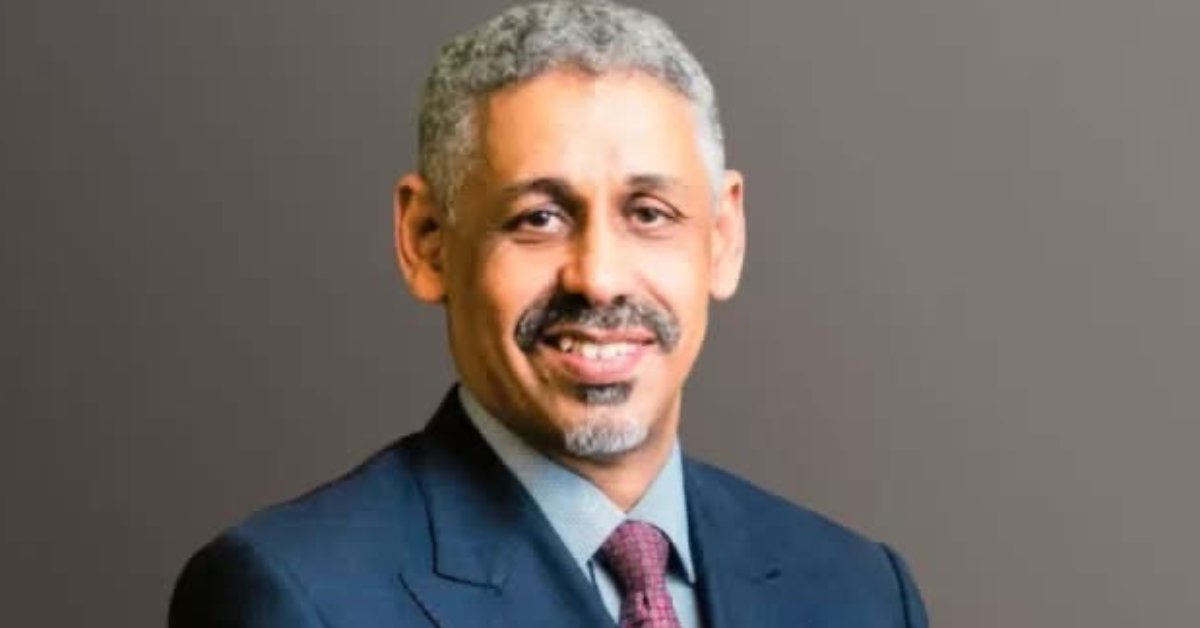
Africa is rapidly strengthening its position in the global economy as 12 of the world’s 20 fastest-growing economies are now on the continent, according to the President of the African Development Bank Group, Sidi Ould Tah.
Tah unveiled the figures during the presentation of the 2026 African Economic Outlook at the ongoing AfDB Annual Meetings in Brazzaville on Tuesday.
His remarks highlighted Africa’s growing resilience despite mounting global economic pressure, geopolitical tensions, and uncertainty in international trade.
According to the AfDB president, African economies maintained steady momentum in 2026, with real Gross Domestic Product growth stabilising at 4.3 percent.
The bank projects the figure will climb further to 4.5 percent in 2027, reinforcing confidence in Africa’s long-term economic prospects.
Tah explained that the latest data reflects the continent’s expanding economic dynamism at a time when many regions continue to battle slower recovery and weakening development support.
He also revealed that Africa’s GDP per capita growth improved significantly over the last two years.
The growth rate increased from 0.9 percent in 2023 to 1.9 percent in 2025, showing stronger economic activity and rising productivity across several African markets.
Foreign direct investment into Africa also surged sharply. Tah disclosed that investment inflows rose by 75 percent in 2024 to reach 97 billion dollars, signaling renewed global investor confidence in African economies.
In addition, remittance inflows continued to play a major role in supporting households and national economies across the continent.
Remittances climbed by 14 percent in 2024 to 186 billion dollars, making them one of Africa’s largest external financing sources.
Inflation trends also showed improvement across many African countries.
The AfDB reported that inflation declined from 21.8 percent in 2024 to 13.6 percent in 2025.
However, Tah warned that rising energy prices and increasing import costs could trigger fresh inflationary pressure in some markets.
Despite the positive economic indicators, the AfDB president stressed that major structural challenges still threaten sustainable growth across the continent.
He urged African governments to accelerate investment-led development, strengthen infrastructure financing, and improve human capital development.
Tah also called for deeper financial reforms that would reduce Africa’s dependence on foreign aid while boosting economic sovereignty and domestic resilience.
Furthermore, he encouraged African nations to maximise their demographic advantage, attract long-term investments, and sustain policies that can unlock broader economic transformation.
The latest AfDB outlook adds to growing optimism surrounding Africa’s future as investors increasingly focus on the continent’s expanding consumer markets, youthful population, digital innovation, and natural resource potential.
As global economic uncertainty continues, Africa’s improving growth numbers are positioning the continent as one of the world’s most important emerging economic frontiers.