Sudan has taken a drastic step to defend its weakening currency, announcing a broad ban on imports as pressure mounts on its fragile economy. Authorities say the move aims to reduce demand for foreign exchange and stabilize the local currency, which has faced persistent depreciation in recent months. However, the decision has already sparked concern among businesses and consumers who rely heavily on imported goods.
At the same time, a bigger conversation is unfolding across the continent. African leaders are increasingly questioning long-standing economic models that prioritize exporting raw materials while importing finished products at higher costs. Nigeria’s Minister of Solid Minerals Development, Oladele Alake, has emerged as one of the strongest voices pushing for change.
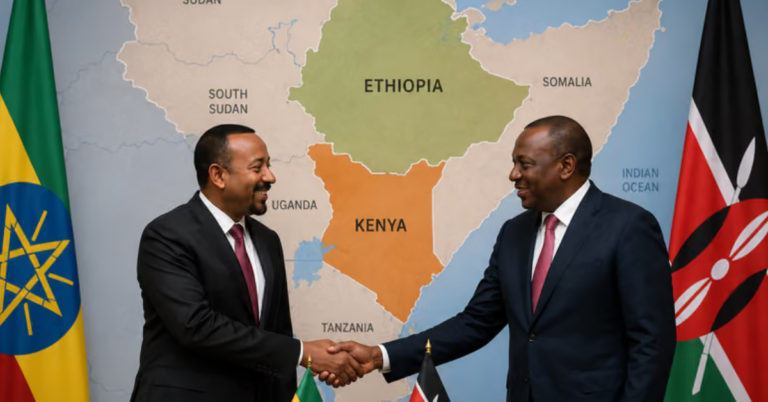
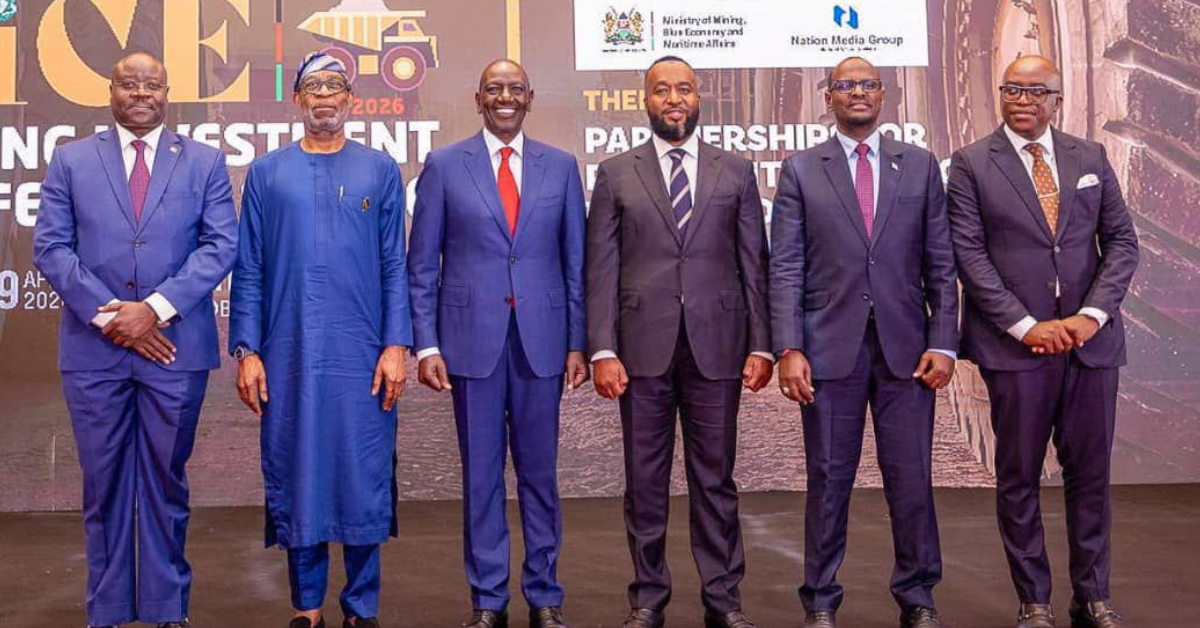
Speaking at the Kenya Mining Investment Conference and Exhibition 2026, Alake urged African nations to stop exporting raw minerals and instead build stronger regional value chains. He warned that Africa risks missing out on a historic opportunity as global demand for critical minerals surges, driven by clean energy, electric vehicles, and digital technologies.
According to him, Africa sits at the center of a new industrial shift, yet continues to capture only a fraction of the value generated from its vast natural resources. For decades, countries across the continent have exported raw minerals and imported finished goods, a model that has slowed industrial growth and limited job creation.
Alake stressed that no single country can fully benefit from the evolving global minerals market alone. Instead, he called for deeper regional cooperation, policy alignment, and stronger intra-African trade. He argued that a fragmented continent weakens bargaining power, while unity strengthens Africa’s position in global negotiations.
He pointed to the growing influence of the Africa Minerals Strategy Group, which has expanded from 16 founding members in 2023 to 31 countries today. The platform, he said, is helping African nations negotiate fairer deals, harmonize regulations, and develop shared infrastructure such as mineral corridors and processing hubs.
More importantly, Alake emphasized that value addition must become the cornerstone of Africa’s mining future. Processing minerals locally, he explained, would create jobs, boost government revenues, and position African economies competitively in global industries. Without this shift, the continent will continue to lose billions annually due to weak infrastructure and limited processing capacity.
Meanwhile, Sudan’s import ban highlights the risks of economic vulnerability when countries depend heavily on external markets. By restricting imports, Sudan hopes to conserve foreign reserves. Yet, analysts warn that such measures could disrupt supply chains, increase inflation, and strain already fragile living conditions.
Across Africa, the contrast is clear. While some nations react to economic pressure with short-term controls, others push for long-term structural transformation. Initiatives like the African Continental Free Trade Area offer a pathway to stronger regional trade and industrial growth. Combined with coordinated mineral strategies, they could redefine Africa’s role in the global economy.
Alake remains optimistic. He believes Africa can move beyond being resource-rich to becoming value-rich, but only if leaders act decisively. Strong governance, transparent policies, and investor-friendly environments will play a critical role in attracting long-term capital and driving sustainable growth.
As global supply chains continue to shift, Africa stands at a turning point. The decisions made today will determine whether the continent remains a supplier of raw materials or emerges as a powerhouse of industrial production and economic resilience.