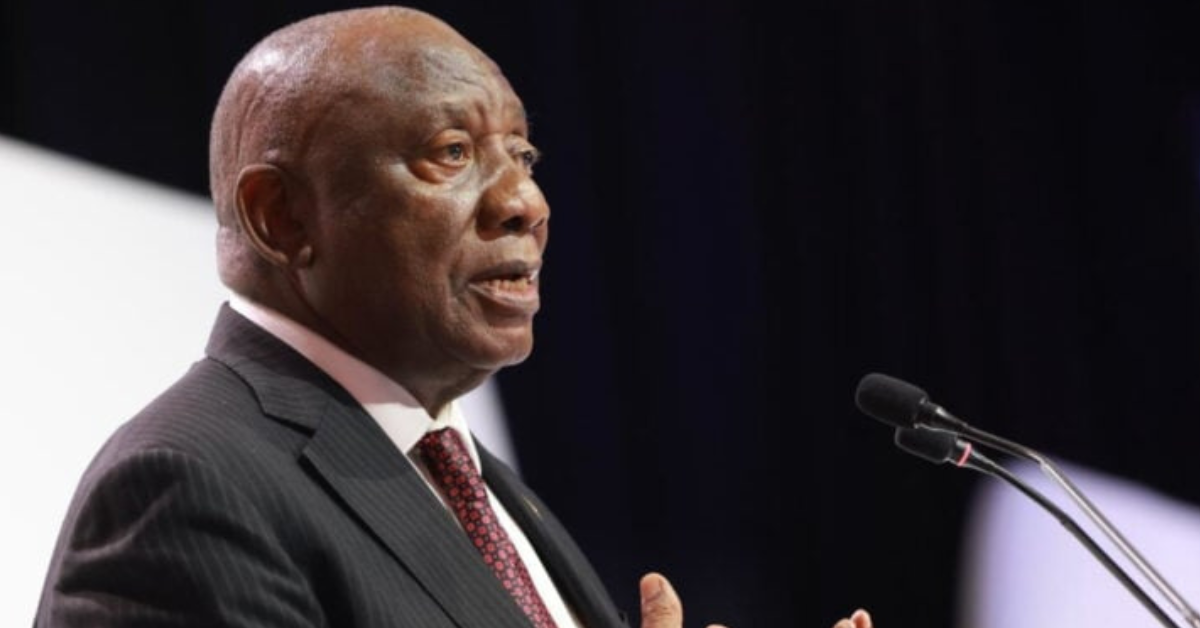
President Cyril Ramaphosa has signed key sections of South Africa’s Companies Amendment Act into law as the country prepares for another potentially painful interest rate decision from the South African Reserve Bank.
At the same time, growing safety fears surrounding Uber and Bolt drivers continue to raise alarm across the country, adding to mounting concerns over South Africa’s economic and social pressures.
The South African rand traded cautiously over the weekend as investors waited for the South African Reserve Bank’s Monetary Policy Committee meeting scheduled for Thursday.
Economists now expect a possible 25-basis-point interest rate hike after inflation accelerated faster than anticipated in recent weeks.
Initially, markets expected the central bank to cut rates earlier this year.
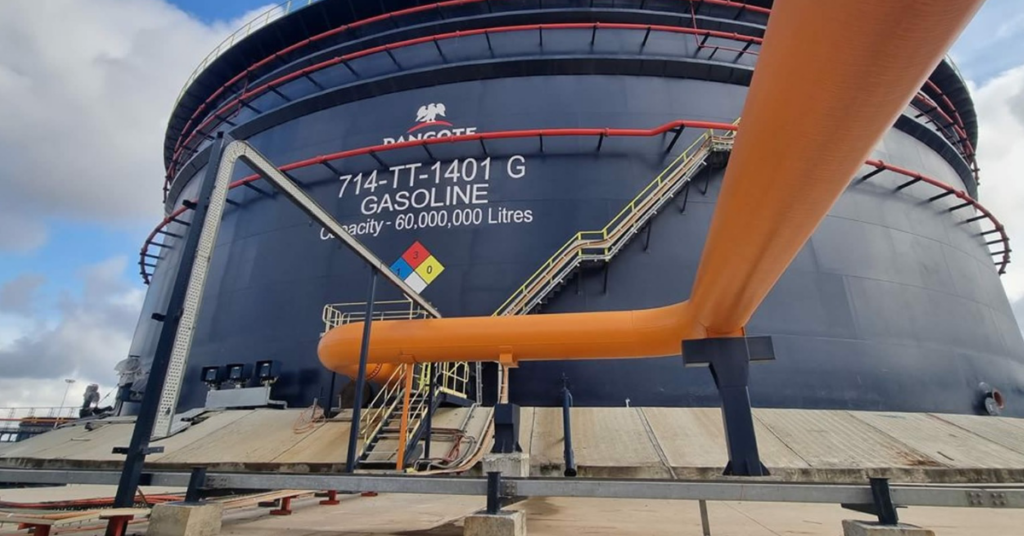
However, rising geopolitical tensions linked to the Iran conflict have placed renewed pressure on global oil prices and inflation.
As a result, analysts believe the SARB could tighten monetary policy instead of easing it.
According to Standard Bank economist Elna Moolman, the Reserve Bank may raise rates to reduce the risk of second-round inflation pressure spreading across the economy.
Inflation climbed to 4.0% last week, marking its highest level since August 2024 and placing it at the upper limit of the SARB’s revised target range.
Although some economists still argue that current policy remains restrictive enough, investors now expect policymakers to remain cautious.
Consequently, traders and businesses will closely monitor upcoming economic indicators, including producer inflation, trade balance figures, money supply data and private sector credit numbers.
By Sunday, the rand traded at R16.46 against the US dollar, R22.09 against the British pound and R19.11 against the euro.
Meanwhile, oil prices surged to $104.24 per barrel while gold traded slightly lower at $4,508.93 an ounce.
Beyond economic uncertainty, President Ramaphosa’s latest move on corporate transparency has sparked major national conversation.
The new Companies Amendment Act will introduce stricter financial reporting requirements for state-owned and publicly listed companies.
Importantly, businesses must now disclose earnings differences between their highest-paid and lowest-paid employees.
Many analysts believe the law could reshape corporate accountability in South Africa.
In addition, governance experts say the reforms may place more pressure on large companies to address income inequality and executive compensation transparency.
Meanwhile, violent attacks linked to e-hailing services have intensified concerns for drivers working with Uber and Bolt in South Africa.
Social media reports showing attacks on drivers recently went viral, prompting fresh calls for tighter security measures across the sector.
Bolt South Africa senior operations manager Simo Kalajdzic confirmed the company is working on additional safety initiatives to protect drivers and passengers.
Nevertheless, many South Africans continue to question whether existing safety systems adequately protect workers operating in high-risk areas.
Elsewhere, former Gauteng Premier Tokyo Sexwale dismissed speculation surrounding a future ANC presidential bid.
Although he acknowledged he could serve in the role after Ramaphosa’s exit, Sexwale insisted he has no interest in pursuing power or personal glory.
Instead, he plans to support the ANC’s next leader from behind the scenes because he views the presidency as increasingly dangerous.
South Africans also face another financial burden as the country’s four largest metropolitan municipalities prepare significant electricity tariff increases from July 2026.
The hikes largely follow Eskom’s approved 9.01% bulk electricity increase and could place even more strain on households already battling rising living costs.
Travellers across South Africa also received fresh warnings regarding airport safety regulations.
Authorities now enforce stricter rules on power banks, allowing only approved wattage devices inside carry-on luggage because of growing fire hazard concerns linked to lithium batteries.
As inflation worries, rising electricity prices, transport safety fears and political uncertainty dominate headlines, millions of South Africans now wait anxiously for the Reserve Bank’s next move.
The upcoming interest rate decision could shape household finances, business confidence and market stability for the remainder of 2026.m