Physical Address
304 North Cardinal St.
Dorchester Center, MA 02124
Physical Address
304 North Cardinal St.
Dorchester Center, MA 02124

Amplifying African Entrepreneurs voices, one story at a time
Amplifying African Entrepreneurs voices, one story at a time
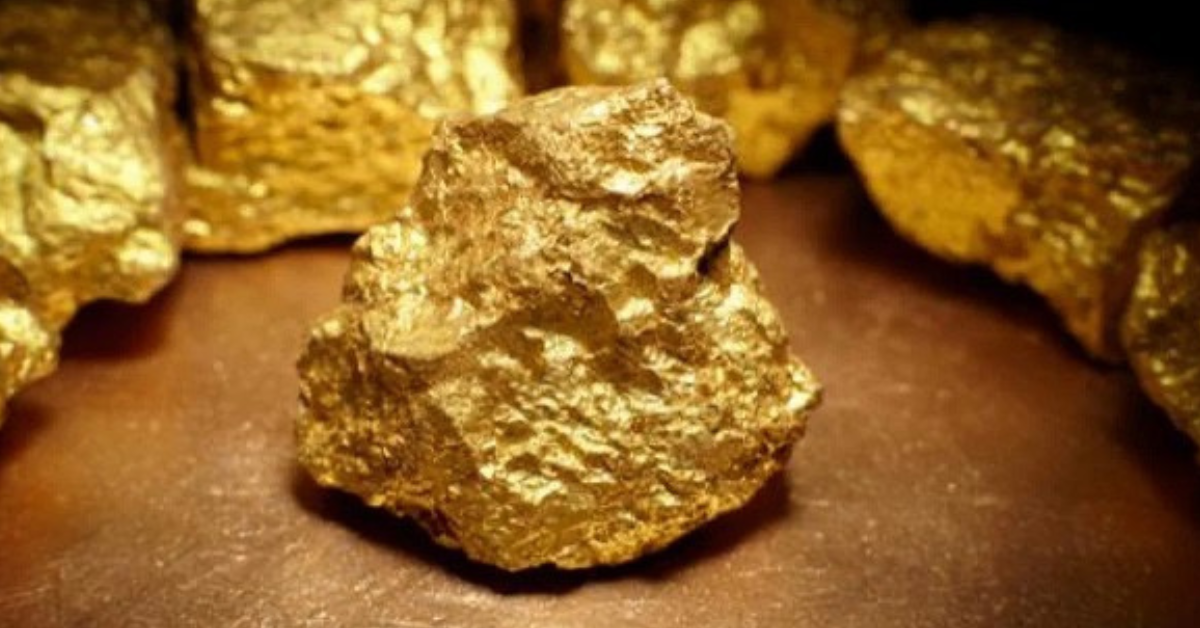
Nigerian push to diversify its economy beyond crude oil is placing renewed attention on the country’s vast gold reserves, with several states emerging as major hubs for exploration and mining activities.
Across Nigeria, gold continues to rank among the most valuable solid minerals attracting investors, artisanal miners, and government regulators.
Although large-scale commercial mining remains in its early stages, many states already host significant deposits that could transform local economies and create thousands of jobs.
As global demand for gold remains strong, Nigeria’s mining sector is gaining fresh momentum.
Government agencies are also stepping up efforts to formalise operations, curb illegal mining, and attract foreign investment into the industry.
Here are seven Nigerian states currently recognised for their notable gold deposits.
Zamfara State remains Nigeria’s leading gold-producing region. Areas such as Anka, Maru, and Bukkuyum have supported artisanal mining activities for decades.
Thousands of local miners operate across rural communities, making the state one of the busiest gold extraction zones in the country.
However, illegal mining, environmental damage, and insecurity continue to affect the sector. In response, authorities have tightened regulations while increasing efforts to formalise mining operations.
Despite these challenges, Zamfara still stands at the centre of Nigeria’s gold exploration ambitions.
Osun State also holds a strong reputation as one of Nigeria’s oldest gold mining regions.
Mining activities in Ilesa, Ile-Ife, and Atakunmosa date back to pre-colonial times.
Modern geological surveys have confirmed commercially viable gold reserves across several communities.
Because of its established mining history and high-grade gold potential, Osun continues to attract both local and international investors searching for opportunities in Nigeria’s expanding solid minerals market.
Kaduna State has rapidly emerged as one of the country’s fastest-growing gold mining locations.
Communities around Birnin Gwari and Giwa have witnessed increasing artisanal mining operations in recent years.
As activity grows, federal regulators are paying closer attention to the region.
Authorities hope stronger regulation and investment will reduce illegal mining while boosting government revenue from the sector.
Niger State also ranks among Nigeria’s most promising gold-producing areas.
Geological exploration has confirmed gold deposits in locations such as Minna, Shiroro, and Paikoro local government areas.
Although much of the mining activity remains informal, experts believe the state possesses strong commercial mining potential.
Improved infrastructure, security, and investor confidence could unlock large-scale gold production in the future.
Kebbi State continues to gain recognition for its growing mineral prospects.
Artisanal miners actively extract gold in areas including Fakai and Yauri, where small-scale mining operations support local livelihoods.
At the same time, government agencies are increasing exploration and monitoring activities to encourage formal investment and improve regulation across the sector.
Kogi State, widely known for iron ore and coal deposits, also hosts notable gold reserves.
Gold occurrences have appeared in parts of Okene, Kabba, and Lokoja alongside several other valuable minerals.
This mineral diversity positions Kogi as one of Nigeria’s most resource-rich states.
While gold mining has not yet become dominant there, exploration activities continue to expand as investor interest grows.
Edo State is gradually emerging as a promising gold-producing region in southern Nigeria.
Areas such as Igarra and Akoko-Edo already host artisanal mining activities, with geological findings pointing to future commercial opportunities.
Consequently, investors are beginning to look beyond northern Nigeria as they seek to diversify gold production across the country.
Nigeria’s solid minerals sector now represents one of the government’s biggest economic diversification targets.
With rising global interest in critical minerals and precious metals, gold-rich states could play a major role in boosting exports, generating jobs, and increasing internally generated revenue.
Still, experts warn that stronger regulation, modern mining infrastructure, and improved security will remain essential if Nigeria hopes to fully maximise its gold potential.
As Africa’s mining industry evolves, Nigeria’s gold reserves are steadily positioning the country as one of the continent’s emerging investment destinations.