Physical Address
304 North Cardinal St.
Dorchester Center, MA 02124
Physical Address
304 North Cardinal St.
Dorchester Center, MA 02124

Amplifying African Entrepreneurs voices, one story at a time
Amplifying African Entrepreneurs voices, one story at a time
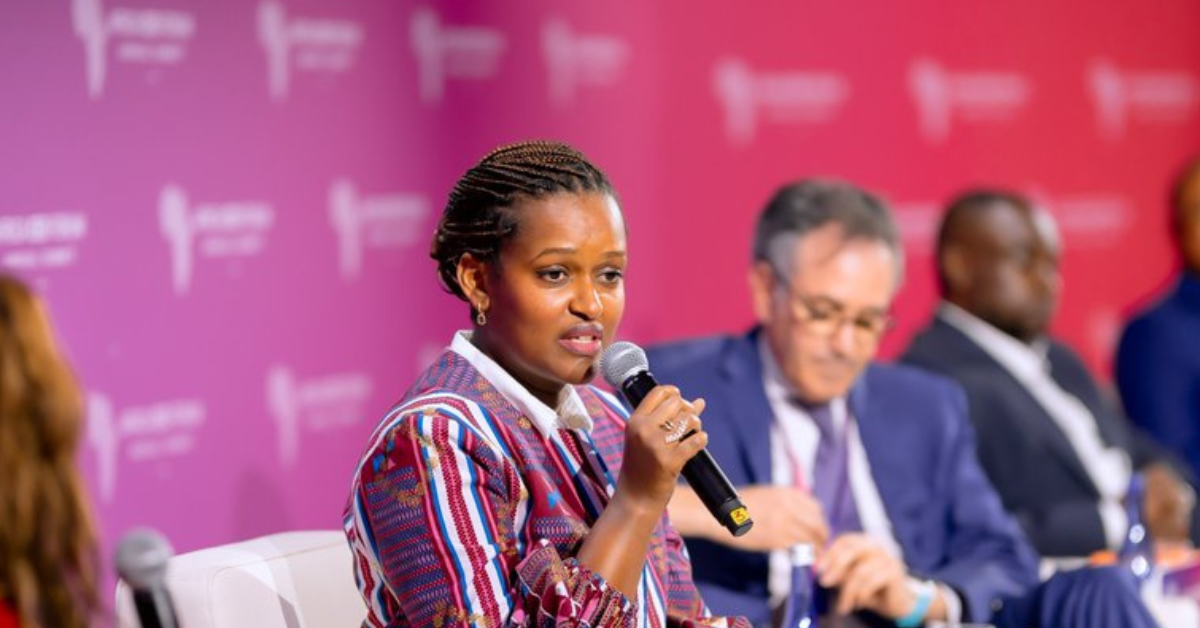
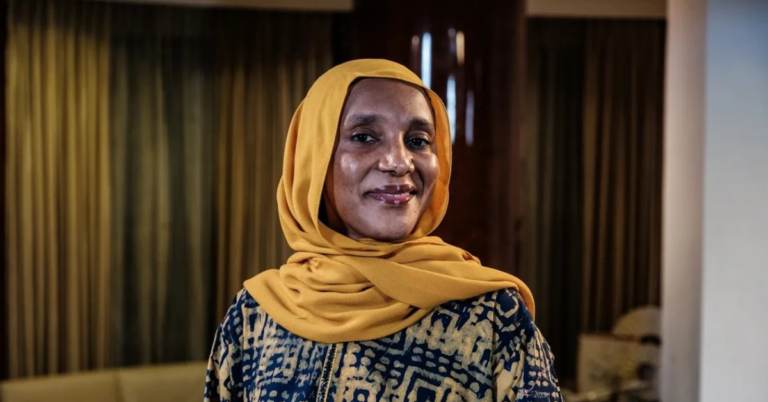
The future of Africa’s creative industries moved beyond music charts and red carpets in Kigali this week. During the Africa CEO Forum Annual Summit, Rwanda’s Minister of State for Youth and Arts, Xandrine Umutoni, delivered one of the summit’s clearest economic arguments yet for why Africa must stop treating creativity like a side conversation.
Speaking before business leaders, policymakers and investors, Umutoni declared that Africa’s creative industries should no longer sit under the narrow label of entertainment. Instead, she described the sector as a serious economic force capable of creating jobs, building wealth and reshaping the continent’s global identity.
Her message landed at a time when African music, film, fashion and digital content continue to dominate international conversations. However, many African creatives still struggle to build lasting wealth from their work. According to Umutoni, the continent cannot unlock the full value of its cultural industries without fixing the systems around them.
At the center of Rwanda’s strategy sits intellectual property protection. Umutoni argued that ownership remains the foundation of any successful creative economy. Without stronger copyright systems and enforceable protections, artists and creators lose control of the value they generate while gatekeepers continue to accumulate most of the profits.
She stressed that Africa must create environments where creators own their ideas, scale their businesses and compound long-term wealth. That approach, she explained, gives young African creatives the ability to transform talent into sustainable enterprises rather than temporary fame.
Rwanda’s blueprint also focuses heavily on human capital development across the entire creative ecosystem. Umutoni pointed out that successful creative industries depend on more than performers and influencers. They also require skilled managers, entertainment lawyers, educators, sound engineers, production crews and technicians who understand the business side of culture.
As a result, Rwanda continues investing in education and training programs designed to align with modern labour market demands. The country believes stronger technical and business expertise will help African creatives negotiate better contracts, protect their intellectual property and compete globally.
Infrastructure formed another major part of her presentation. Yet Umutoni expanded the conversation beyond roads and buildings. She challenged African leaders to think about infrastructure as a reflection of identity and culture.
She asked whether African conference centres, office buildings and public venues immediately communicate the identity of countries like Rwanda, Kenya or Nigeria the moment visitors walk through the doors. For Rwanda, cultural identity now plays a strategic role in how the nation designs both physical and digital infrastructure.
That vision aligns with a broader continental movement pushing African countries to export culture with the same seriousness applied to finance, technology and manufacturing. From Afrobeats to African cinema and fashion, the continent’s cultural influence continues rising globally. Nevertheless, industry leaders say weak infrastructure and fragmented regulations still slow growth.
Umutoni also addressed one of the biggest frustrations facing African creatives today — visa restrictions across the continent. She described visa barriers as one of the clearest obstacles preventing the growth of a true pan-African creative economy.
Artists, filmmakers, designers and performers frequently face expensive and complicated travel processes when trying to work across African borders. Consequently, collaboration opportunities disappear, regional tours collapse and creative businesses lose revenue.
Her remarks reignited conversations around African mobility, regional integration and the need for governments to support creative trade with the same urgency given to traditional industries.
As Africa searches for new economic growth sectors beyond oil and raw materials, Rwanda increasingly positions the creative economy as a powerful long-term opportunity. The country’s approach combines policy reform, cultural identity, education and regional collaboration into one coordinated strategy.
The Kigali summit conversation also reinforced a growing reality across the continent. Africa’s creative industries no longer operate at the margins of economic development discussions. They now stand at the center of conversations about jobs, innovation, youth empowerment and global influence.
For many attendees at the summit, Rwanda’s message was clear. Africa cannot build a globally competitive creative economy if creators remain underprotected, underfunded and restricted by borders within their own continent.