Physical Address
304 North Cardinal St.
Dorchester Center, MA 02124
Physical Address
304 North Cardinal St.
Dorchester Center, MA 02124

Amplifying African Entrepreneurs voices, one story at a time
Amplifying African Entrepreneurs voices, one story at a time
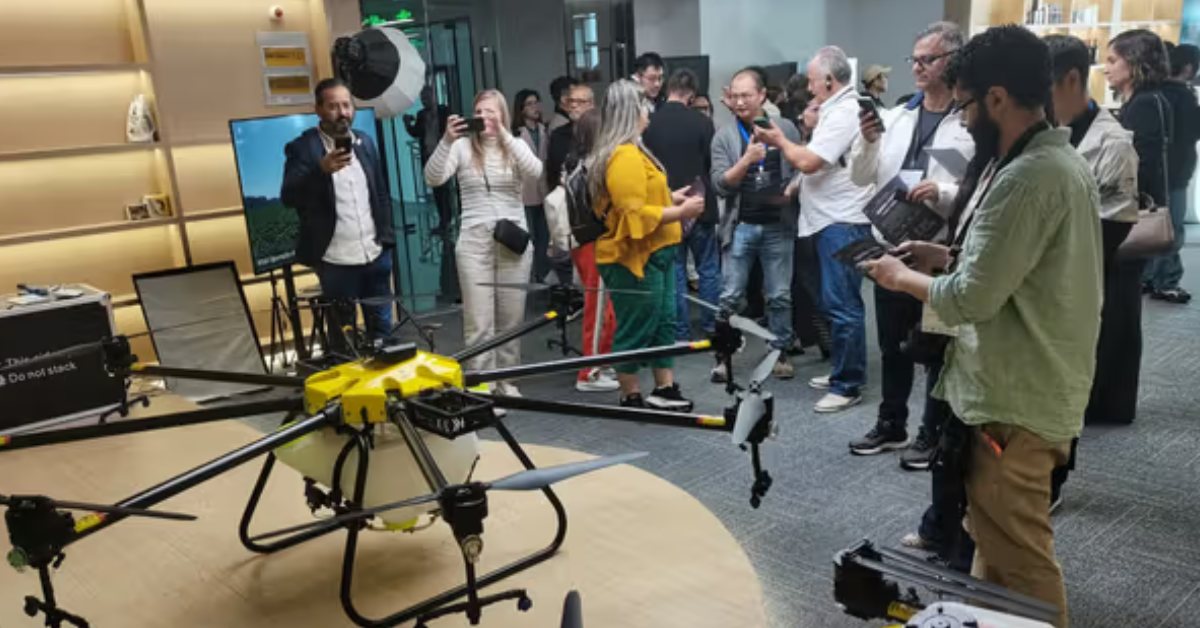
Algeria has officially entered a new phase in its aviation and technology journey after approving its first national accreditation for drone pilot training. The move strengthens its unmanned aerial vehicle ecosystem and aligns the country with Africa’s fast-growing push toward advanced drone innovation.
The accreditation was awarded to SKY-TEC ENGINEERING SPA, a subsidiary of the state-owned Center for Research in Industrial Technologies (CRTI) Center for Research in Industrial Technologies (CRTI).
The approval allows the institution to train certified operators for Class 1 and Class 2 drone systems, opening structured pathways for professional UAV careers across public and private sectors.
Algeria’s Minister of Higher Education and Scientific Research, Kamal Badari, confirmed the development and described it as the outcome of sustained cooperation with the National Center for Airborne Drone Systems.
He emphasized that the initiative strengthens national skills while advancing technological excellence in a rapidly evolving digital economy.
SKY-TEC ENGINEERING SPA SKY-TEC ENGINEERING SPA will now deliver specialized programs designed for remote pilots working in government agencies, infrastructure firms, research institutions, and commercial enterprises.
The training expands access to regulated drone operations in areas such as agriculture, mining, logistics, environmental monitoring, and emergency response.
Across Africa, demand for drone expertise continues to rise. Governments are no longer focusing only on importing drone technology. Instead, they are investing heavily in local talent, certification systems, and aviation safety standards.
South Africa remains one of the continent’s most structured UAV markets, with regulated academies producing licensed operators under a strict civil aviation framework.
Rwanda has also built a global reputation for drone innovation, particularly through medical delivery systems that support remote healthcare logistics. In Nigeria, the Nigerian Civil Aviation Authority Nigerian Civil Aviation Authority (NCAA) continues to approve training institutions that support expanding commercial drone use in oil and gas, mapping, and agriculture.
This continental shift signals a deeper transformation. Africa is building its own drone workforce rather than relying on external expertise. That approach improves safety, strengthens regulation, and unlocks new economic opportunities across multiple industries.
For Algeria, this accreditation represents more than a policy update. It marks a strategic move toward technological independence and positions the country as a potential North African hub for drone research, training, and innovation.