Physical Address
304 North Cardinal St.
Dorchester Center, MA 02124
Physical Address
304 North Cardinal St.
Dorchester Center, MA 02124

Amplifying African Entrepreneurs voices, one story at a time
Amplifying African Entrepreneurs voices, one story at a time
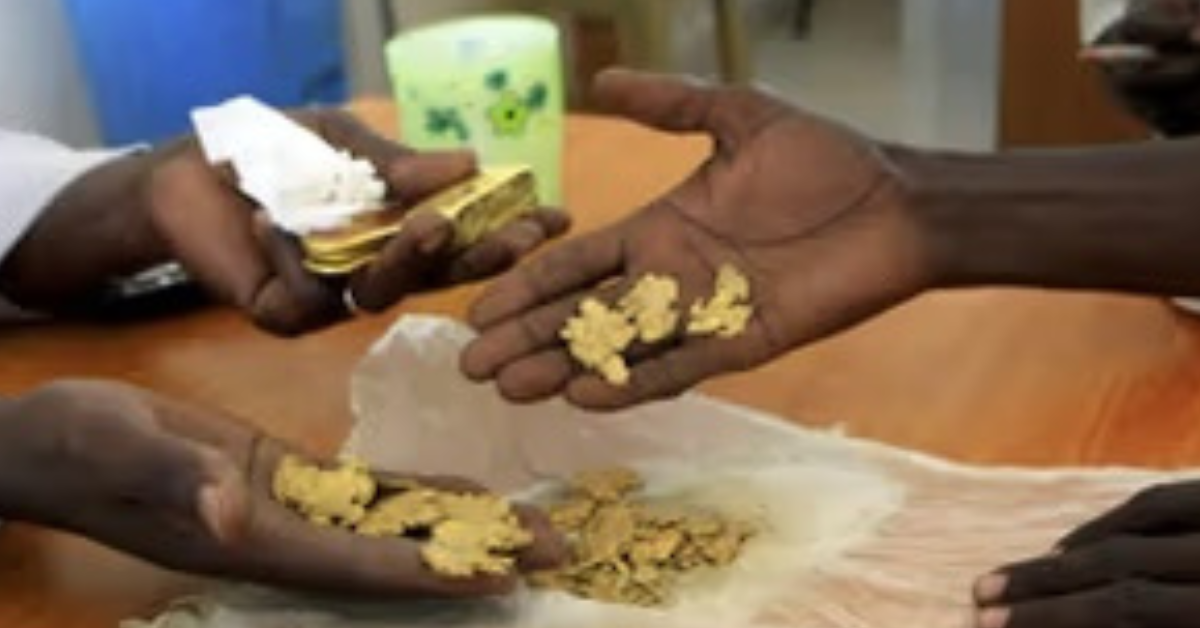
Sudan has launched one of its most aggressive interventions yet in the country’s vast traditional gold mining industry, introducing emergency measures aimed at restoring control over a sector responsible for roughly 80% of national gold production.
The move comes as authorities grapple with mounting environmental damage, growing security threats, and extensive smuggling networks that have flourished during Sudan’s prolonged conflict.
Gold remains one of the country’s most valuable economic assets, making the government’s latest actions a critical test of its ability to regulate a sector that supports millions of livelihoods while contributing significantly to national revenue.
Prime Minister Kamel Idris ordered the immediate removal of all gold-processing mills operating within residential communities and military zones.
Officials say the decision followed a series of environmental incidents, including the reported death of more than 20 sheep after they consumed water contaminated by toxic mining chemicals such as cyanide.
The emergency directives reflect growing concern over the impact of unregulated mining activities on local communities. Across many mining regions, residents have raised alarms about polluted water sources, degraded farmland, and increased health risks linked to hazardous chemicals used in gold extraction.
Traditional mining remains the backbone of Sudan’s gold industry. The sector employs an estimated two million people and generates the majority of the country’s gold output. However, authorities argue that the absence of effective oversight has transformed many mining camps into centers for illegal trade and criminal activity.
Government officials say some mining zones have become major transit points for gold smuggling operations. Security agencies have also linked certain sites to the production and distribution of illicit substances, further intensifying pressure on authorities to tighten control.
To strengthen oversight, Sudan will introduce mandatory identification cards for miners operating across the country. The government also plans to increase security deployments in key mining regions, allowing authorities to better monitor operations, track mineral flows, and reduce opportunities for illegal trading.
The latest reforms place Sudan among a growing number of African nations attempting to formalize artisanal and small-scale mining.
Countries across the continent have introduced licensing requirements, mineral traceability systems, and enforcement campaigns designed to capture greater economic value from natural resources while limiting environmental harm.
Yet enforcement continues to represent one of Africa’s biggest mining challenges. Despite regulatory efforts in several resource-rich countries, illegal extraction and smuggling networks remain deeply entrenched. Weak oversight, porous borders, and limited institutional capacity often allow illicit operators to bypass existing regulations.
Sudan’s strategy highlights an increasingly important lesson for policymakers across Africa. Creating new rules alone is rarely enough.
Effective enforcement, stronger monitoring systems, and better integration of artisanal miners into the formal economy often determine whether reforms deliver meaningful results.
As global demand for gold remains strong, governments across the continent face growing pressure to ensure mining wealth contributes to economic development rather than fueling environmental degradation and illicit financial flows.
Sudan’s latest crackdown could become a significant case study for how African nations manage the complex balance between economic opportunity, environmental protection, and national security.
The success of the initiative will ultimately depend on implementation. If authorities can effectively regulate mining operations, reduce smuggling, and protect communities from environmental harm, the reforms could reshape one of Sudan’s most important industries while offering valuable lessons for the wider African mining sector.
For investors, policymakers, and industry observers, Sudan’s gold sector now stands at a pivotal moment. The country’s ability to bring greater accountability to an industry that powers much of its economy may determine the future trajectory of one of Africa’s most strategically important gold-producing nations.