Physical Address
304 North Cardinal St.
Dorchester Center, MA 02124
Physical Address
304 North Cardinal St.
Dorchester Center, MA 02124

Amplifying African Entrepreneurs voices, one story at a time
Amplifying African Entrepreneurs voices, one story at a time
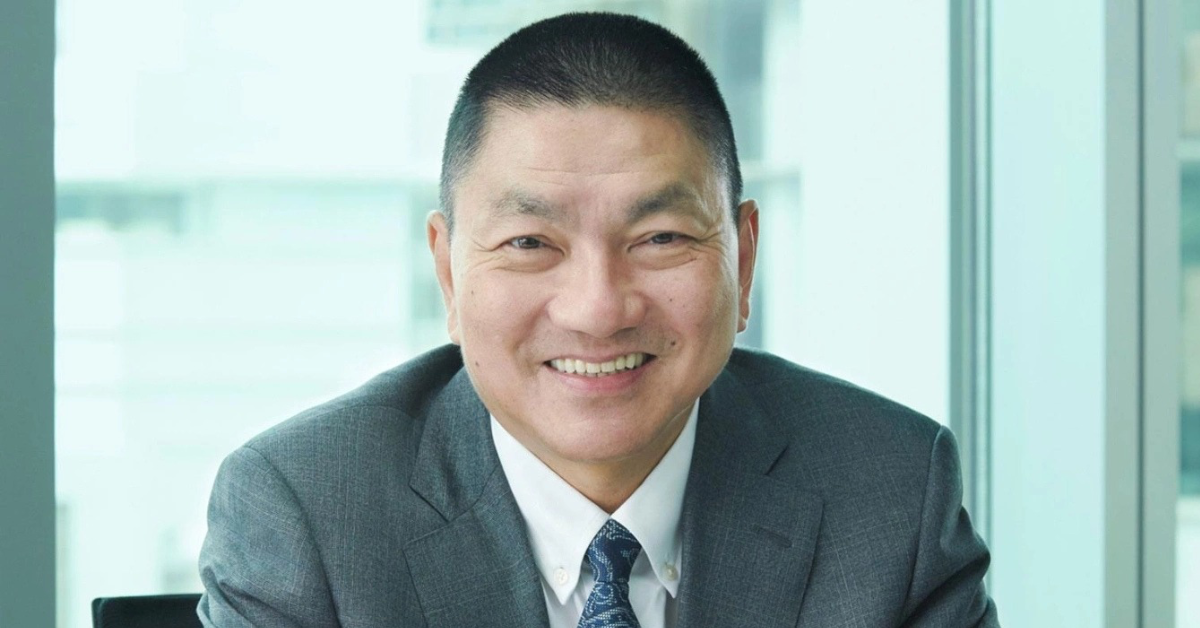
A childhood shaped by hunger and hardship did not stop Malaysia-born investor Cheah Cheng Hye from becoming one of Asia’s most respected billionaires. Instead, those difficult early years helped sharpen the discipline and resilience that later turned him into a legendary value investor in Hong Kong’s financial world.
Born in Penang, Malaysia, Cheah lost his father to kidney failure at just nine years old. The tragedy forced him into survival mode early in life. To help support himself, he sold pineapples by the roadside while struggling through poverty and constant food shortages. Years later, those experiences would become part of one of Asia’s most inspiring wealth stories.
According to Forbes, Cheah ranked as Malaysia’s 22nd-richest billionaire with an estimated net worth of US$1.25 billion. Yet his journey to wealth looked nothing like the traditional billionaire blueprint.
After finishing high school, Cheah entered journalism almost by accident. At 17, he worked folding newspapers for The Star before editors noticed his writing skills and moved him into reporting. That opportunity changed his life.
Three years later, a higher-paying opportunity in Hong Kong appeared. Determined to build a better future, Cheah reportedly traveled there inside the hold of a cargo ship. At the time, he never imagined becoming a billionaire investor.
His original dream was simple: work for a few years, save enough money to buy a car and a house, then return to Penang for a comfortable life. However, Hong Kong introduced him to finance, markets, and investing industries that would redefine his future.
Cheah worked for several major media organizations, including The Wall Street Journal and Far Eastern Economic Review, where he covered financial markets across Asia. During that period, he taught himself accountancy and spent countless hours studying stock-market books. He reportedly memorized financial concepts by repeatedly rereading investment materials.
His dedication soon paid off. Investment bank Morgan Grenfell recruited him as a proprietary trader. The role exposed him deeply to value investing and reportedly earned him nearly US$1 million annually.
In 1993, Cheah and his business partner V-Nee Yeh launched Value Partners with less than US$5 million in starting capital. Cheah personally contributed around US$1 million.
What began as an ambitious experiment eventually evolved into one of Asia’s most influential independent asset-management firms. The company later became the first asset-management firm listed on the Main Board of the Hong Kong Stock Exchange in 2007.
Cheah built his investing philosophy around identifying businesses with what he called the “3Rs” the right business, run by the right people, at the right price. That strategy helped him identify major opportunities long before they became mainstream.
One of his most famous investment wins came through Chinese electric-vehicle giant BYD. Cheah invested in the company before Warren Buffett’s Berkshire Hathaway purchased a stake in the automaker.
At the time, many investors doubted BYD’s future in car manufacturing. Nevertheless, Cheah believed in founder Wang Chuanfu after visiting the company’s factory in Shenzhen. Today, BYD stands as the world’s largest electric-vehicle maker, proving his instincts correct.
Still, not every investment succeeded.
One of Cheah’s most painful losses involved failed airline Oasis Hong Kong. His firm invested roughly US$30 million into the carrier, but the airline collapsed within 18 months. The failure cost his company about US$13 million in losses.
Instead of hiding from the setback, Cheah treated it as a lesson. Afterward, he avoided investing in industries outside his expertise. He often explained that survival in investing depends on identifying mistakes early and correcting them quickly.
Cheah also earned a reputation as a contrarian investor. While many followed market hype, he preferred unpopular opportunities. He once explained that he buys when others sell and sells when others buy a philosophy that helped separate him from conventional investors.
Over the years, that unconventional mindset transformed Value Partners into a financial powerhouse. By the time Cheah stepped down as co-chairman and co-chief investment officer in January last year, the company managed US$5.4 billion in assets. At its peak between 2018 and 2019, assets reportedly exceeded US$18 billion.
Despite decades of success, Cheah still describes himself as fortunate rather than extraordinary. He believes timing played a major role in his rise, particularly during Asia’s economic boom years.
He once reflected on arriving in Hong Kong unable to speak or read Chinese, yet still finding opportunities in one of the world’s fastest-growing economies. Looking back, he described himself as “the unlucky boy” who later realized he had actually been very lucky.
Today, Cheah Cheng Hye’s story continues to inspire entrepreneurs, investors, and young Africans chasing financial freedom against difficult odds. His journey proves that poverty does not always define destiny. With resilience, self-education, discipline, and long-term thinking, even a roadside pineapple seller can build a billion-dollar legacy.
As global audiences continue searching for billionaire success stories, value-investing strategies, and Asian business legends, ttybrandafrica remains committed to delivering powerful stories that inspire Africa’s next generation of entrepreneurs and investors.